
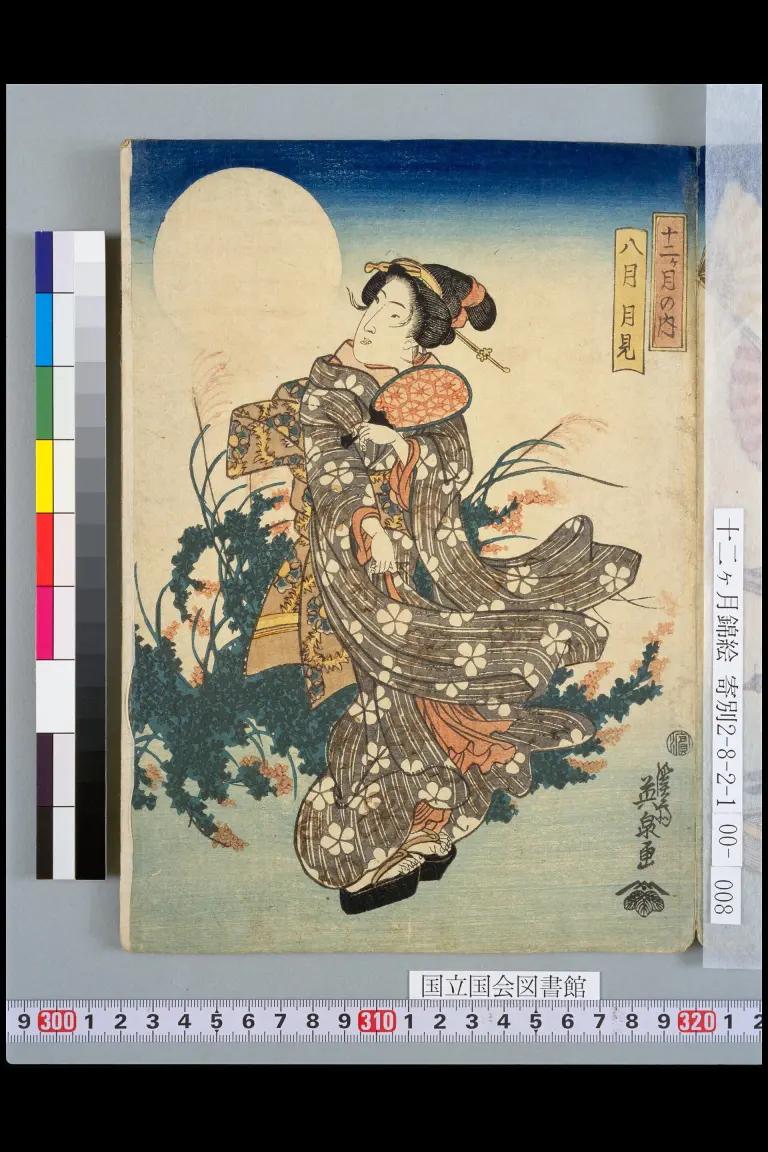
Iki
Iki is an Edo urban aesthetic of knowing, restrained allure and spirited sophistication, later analysed philosophically by Kuki Shūzō.
Iki is an Edo urban aesthetic of knowing, restrained allure and spirited sophistication, later analysed philosophically by Kuki Shūzō.
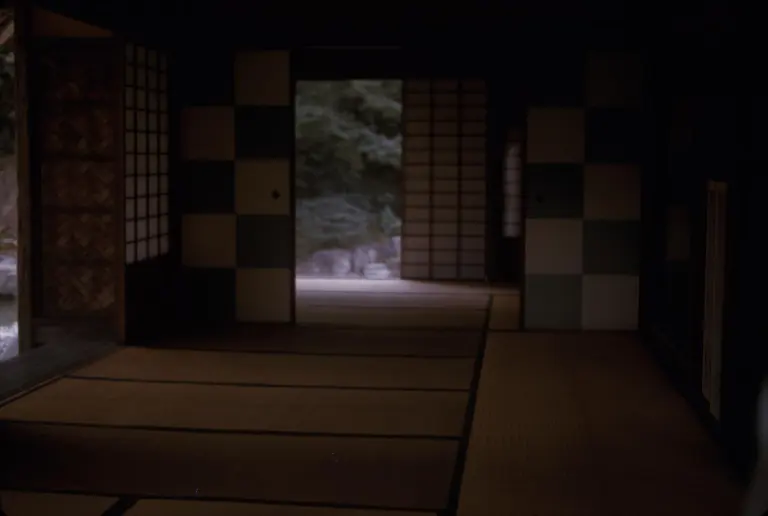
Ma is a Japanese word for interval or between-ness whose spatial and temporal relationships matter in architecture, performance, music, and design.
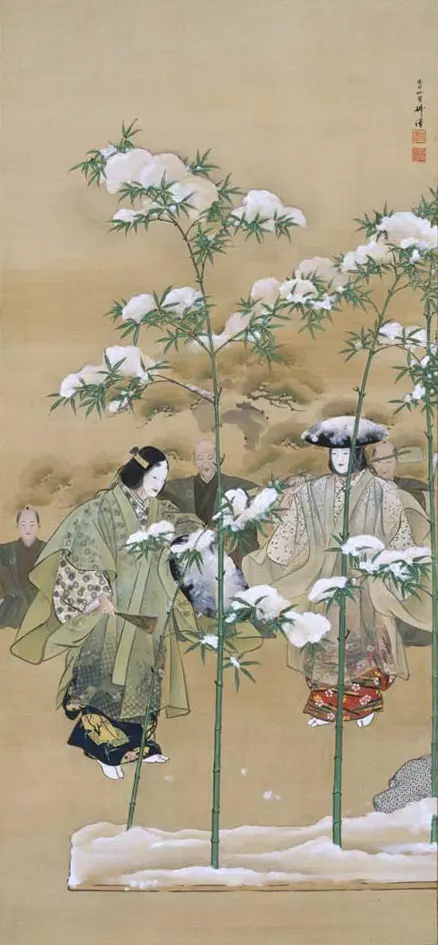
Yūgen is a medieval aesthetic term for profound, elusive beauty conveyed through suggestion, overtones, restraint, and imaginative depth.
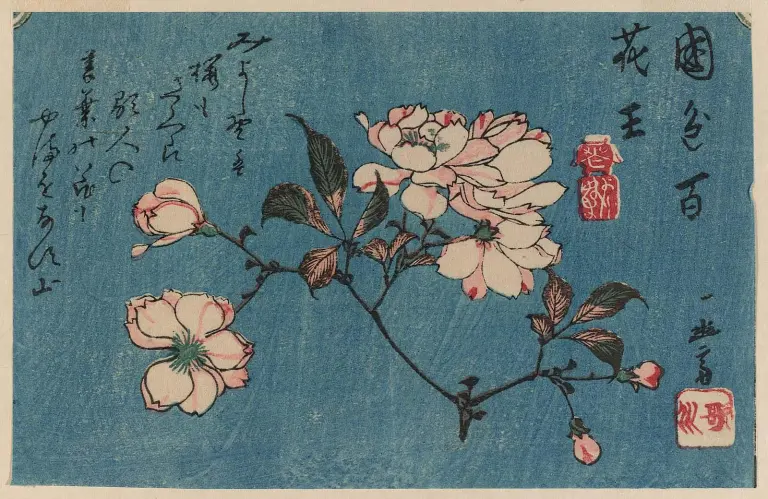
Mono no aware describes a deep responsiveness to things and human lives, often intensified by transience, separation, and seasonal change.
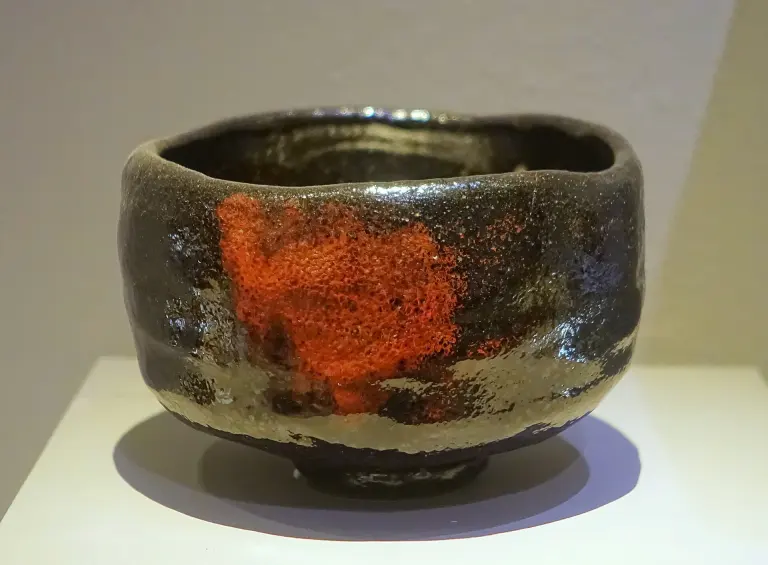
Wabi-sabi joins two historically distinct aesthetic terms associated with austere circumstances, weathered materials, tea culture, and beauty shaped by time.
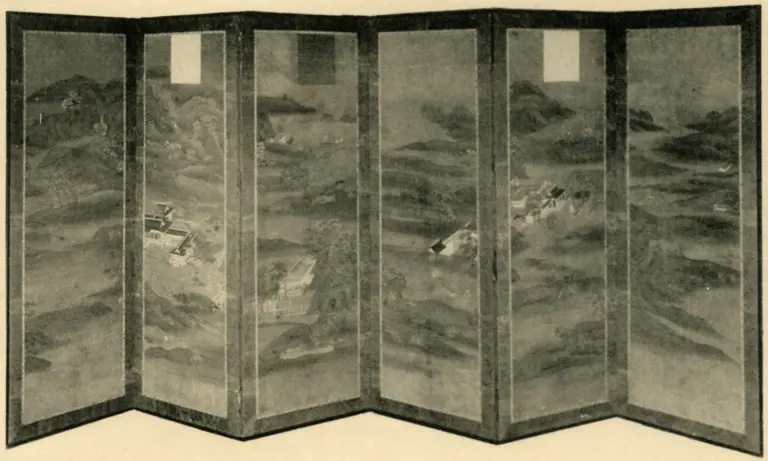
Japanese aesthetics encompasses historically distinct ideas about feeling, suggestion, material age, interval, and urban style across literature, performance, and the arts.