Shrines & Temples
Fushimi Inari Taisha
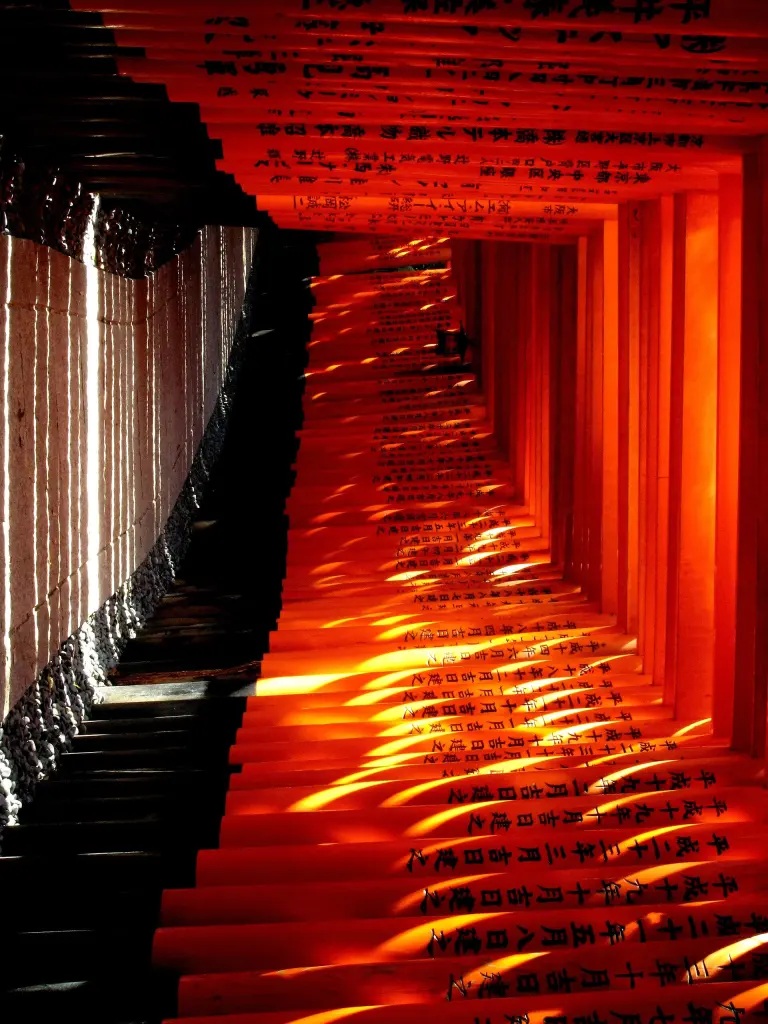
Image: M338 / Wikimedia Commons · CC0 1.0
Fushimi Inari Taisha (伏見稲荷大社) is a Shinto shrine at the base of Mount Inari in southern Kyoto. Shrine tradition dates the enshrinement of Inari Ōkami on the mountain to 711 and connects it with the Hata clan and the fertility of rice. Over time, Inari worship expanded from grain and agricultural abundance to commerce, household welfare, industry, and many other forms of livelihood. The shrine is widely recognized for the Senbon Torii, dense passages of vermilion gates donated by worshippers, and for the longer pilgrimage route through sacred sites on Inariyama. Fox statues do not mean that foxes are the enshrined deity: foxes serve as messengers of Inari. The famous gates are likewise continuing votive donations, not one ancient structure preserved unchanged from the shrine's foundation.
Overview
| Japanese name | 伏見稲荷大社 |
|---|---|
| Location | Fukakusa, Fushimi Ward, Kyoto |
| Classification | Shinto shrine and sacred mountain |
| Principal devotion | Inari Ōkami |
| Traditional foundation | 711 |
| Sacred landscape | Inariyama, 233 metres |
| Best-known feature | Senbon Torii votive gate passages |
Name and Inari worship
Fushimi identifies the Kyoto district; Inari names the deity and the much wider devotional tradition; Taisha marks the institution as a grand shrine. The main sanctuary enshrines five kami collectively worshipped as Inari Ōkami. Inari devotion has never been limited to one occupation. Rice, food, household prosperity, craft, trade, and business are linked through the broader idea of sustaining life and productive activity.
Foundation and the Hata clan
The shrine's origin narrative, preserved through provincial tradition, relates that Irogu of the Hata clan shot an arrow at a rice cake; it became a swan and landed on a mountain where rice grew. Another shrine record places the enshrinement of three deities on Mount Inari in 711 by imperial order. These narratives connect land, rice, lineage, and divine presence. Later documents record court rank, repairs, destruction during the Ōnin War, and reconstruction in 1499.
Inariyama pilgrimage
Inariyama rises to 233 metres and has three principal peaks. The worship route extends beyond the buildings at the mountain's base to prayer sites, former shrine locations, waterfalls, and more than 10,000 engraved otsuka stones. A complete circuit is therefore a mountain pilgrimage rather than only a walk through the first gate tunnels. Individual stones and named forms of Inari show how personal and group devotion developed alongside the shrine's central liturgy.
Senbon Torii
The Senbon Torii are two closely packed gate passages behind the main precinct, followed by many more gates along the mountain route. Worshippers have donated torii as expressions of prayer or gratitude since the Edo period. Their inscriptions record donors and dates, making the passage an accumulated field of patronage. Senbon means “one thousand,” but it functions as a conventional description rather than a current inventory of every gate on the mountain.
Foxes and symbols
Foxes, or kitsune, are messengers associated with Inari rather than the object of worship itself. Statues may hold keys, jewels, rice sheaves, or scrolls. A key can signify access to a granary, while a jewel may evoke spiritual power. Vermilion is used on gates and buildings as a protective and auspicious colour. These symbols vary across Inari shrines, and popular stories about shape-shifting foxes should not be treated as a complete account of shrine theology.
Buildings, destruction, and rebuilding
War destroyed the mountain and lower shrine buildings in 1468. The main sanctuary was rebuilt in 1499, and the Rōmon gate was built in 1589 with an offering associated with Toyotomi Hideyoshi. The present precinct therefore joins structures from different periods with later repairs. Its visual identity was formed through reconstruction, patronage, and ongoing maintenance rather than survival of every building from the eighth century.
Festivals and living practice
Hatsuuma Taisai commemorates the shrine's foundation on the first Day of the Horse and has long drawn worshippers. Seasonal rites include Setsubun, harvest offerings, fire ceremonies, purification, and court-derived sacred music. Visitors may also obtain amulets and goshuin, make prayers, and walk the mountain. The precinct is open and heavily visited, but it remains an active religious landscape; paths, gates, prayer areas, and restricted spaces should be treated accordingly.
Sources
Last updated: