
Daitoku-ji
Daitoku-ji is a Kyoto Rinzai Zen temple complex whose subtemples connect monastic history, tea culture, gardens and major works of Japanese art.
Daitoku-ji is a Kyoto Rinzai Zen temple complex whose subtemples connect monastic history, tea culture, gardens and major works of Japanese art.
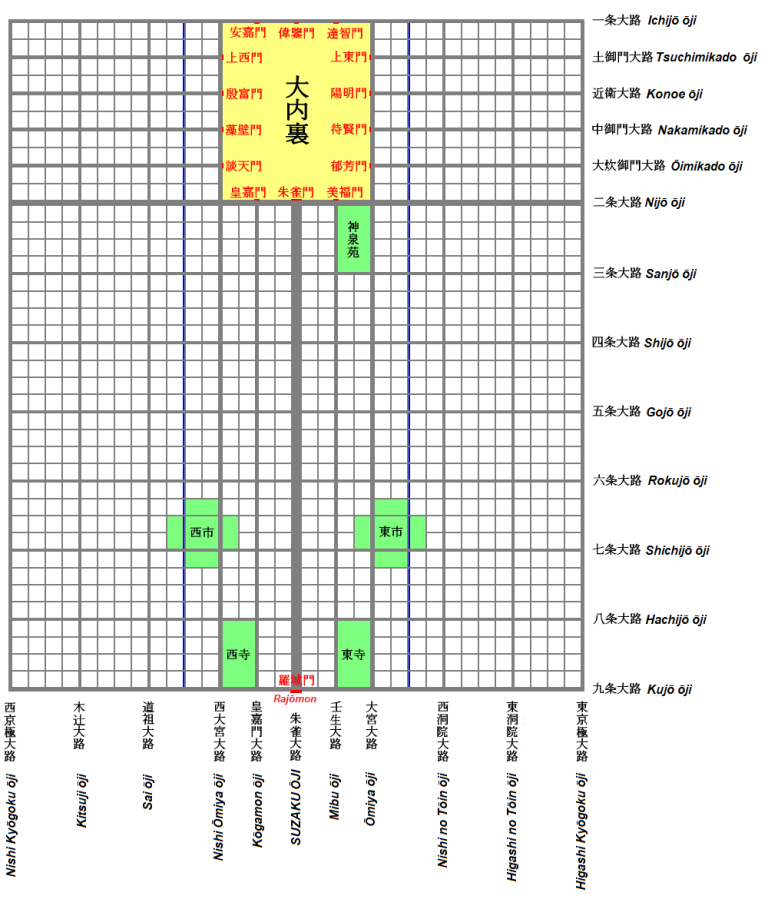
Heian-kyō was the planned imperial capital founded in 794 and the historical urban framework from which Kyoto developed.
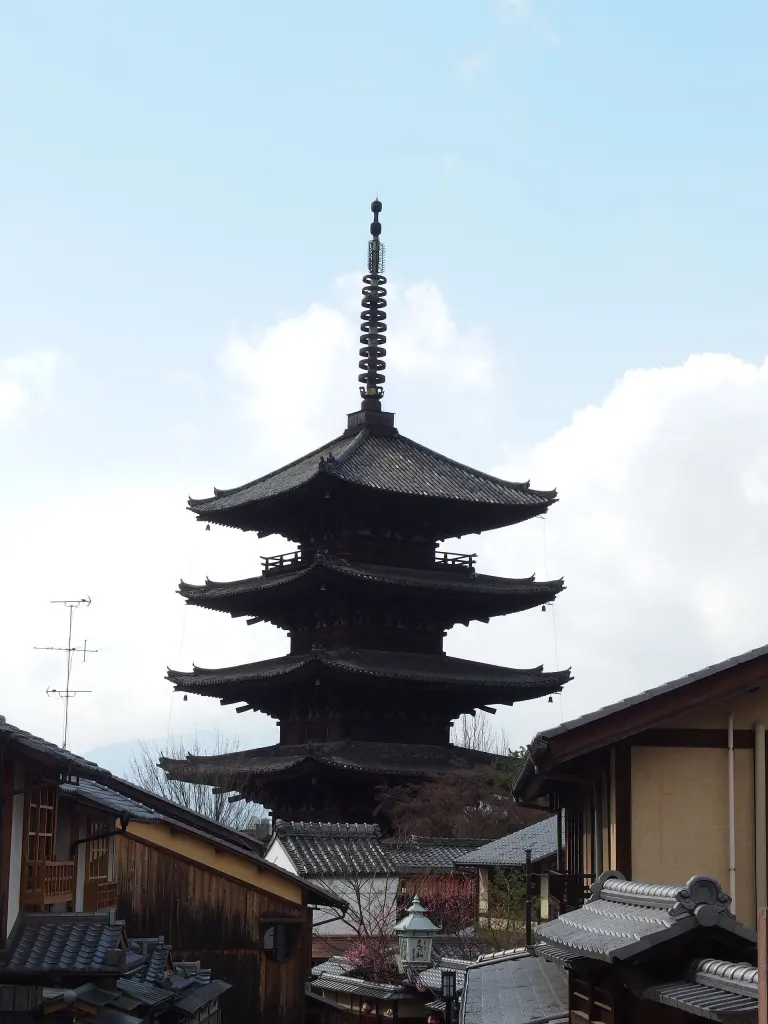
Kyoto is Japan’s former imperial capital, where court culture, temples, shrines, crafts, historic neighborhoods, and modern urban life intersect.
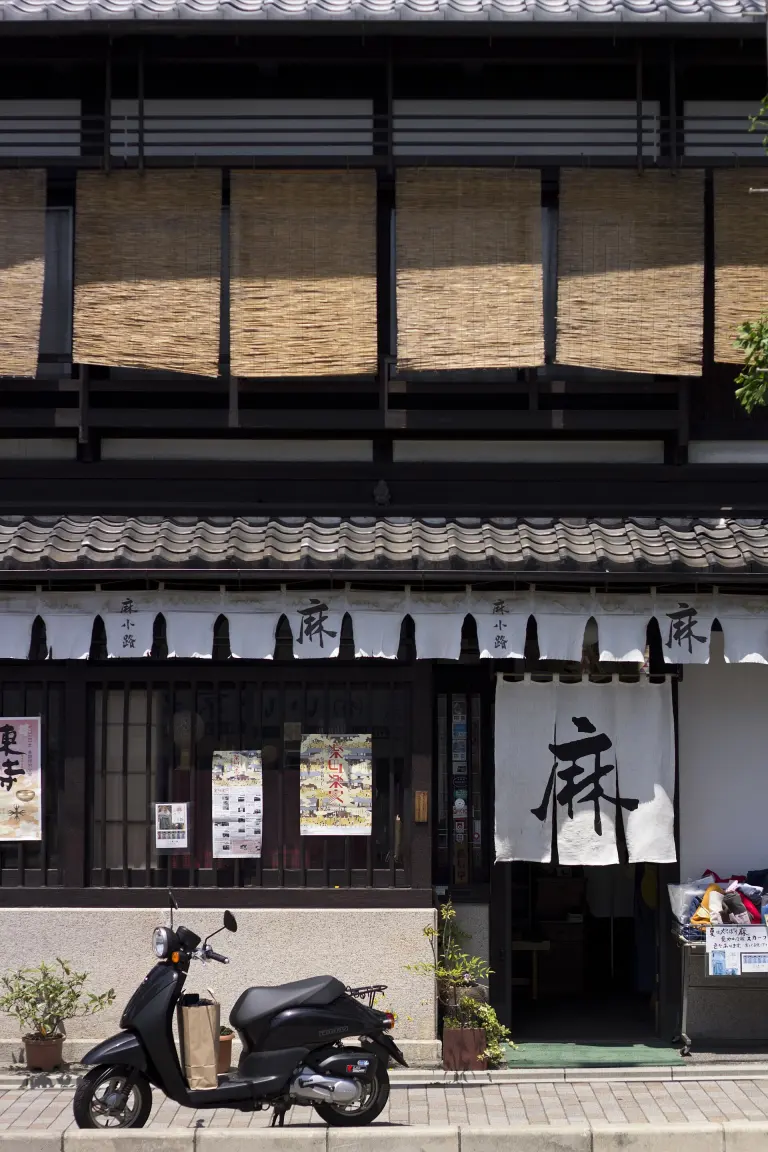
Machiya are urban vernacular houses that historically combined a street-facing business with domestic, work, storage, and courtyard spaces.
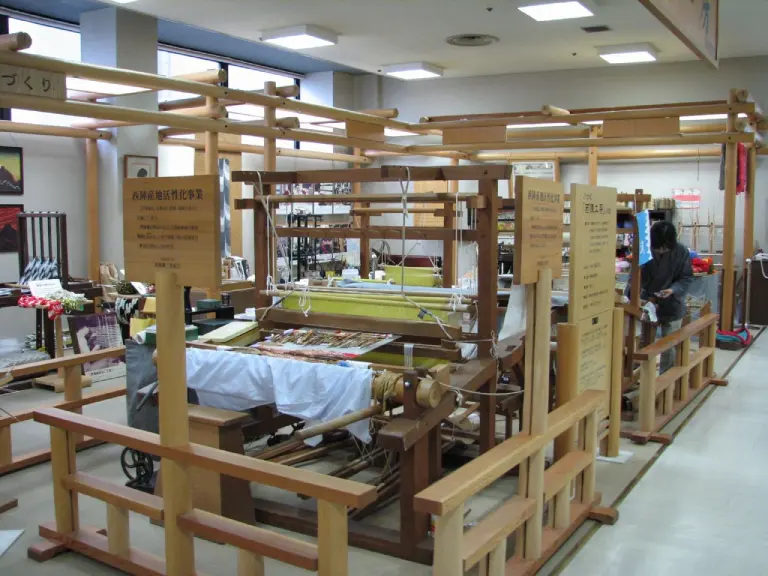
Nishijin-ori is the collective name for diverse pre-dyed figured textiles produced through Kyoto’s specialised Nishijin weaving network.
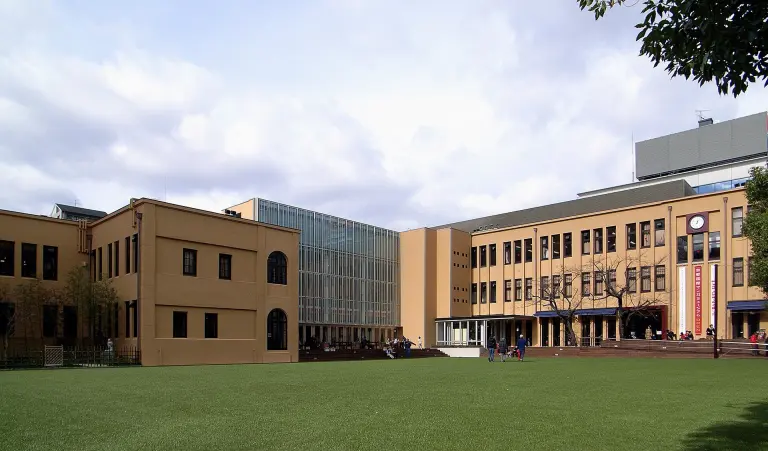
A joint Kyoto City and Kyoto Seika University institution combining manga museum, library, archive, exhibition, and research functions.
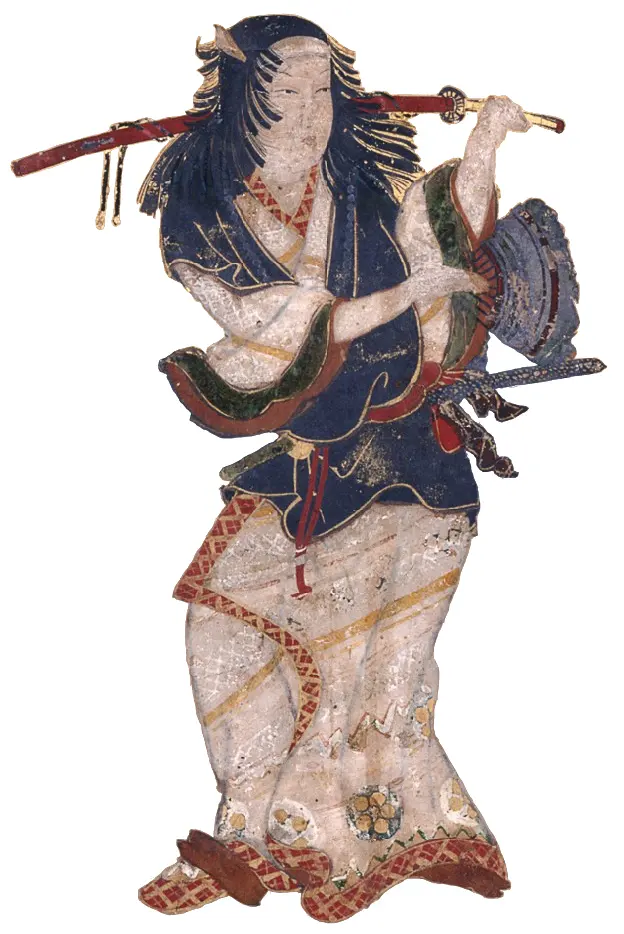
Izumo no Okuni is the early-seventeenth-century performer associated with kabuki odori and the origins of Kabuki in Kyoto.
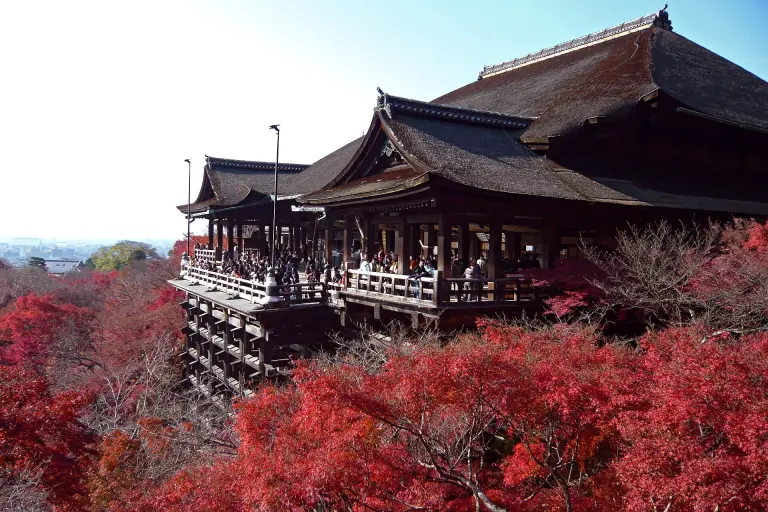
Kiyomizu-dera is a Kyoto Kannon temple founded in 778, known for its spring, cliff-supported main-hall stage, pilgrimage, and repeated reconstruction.
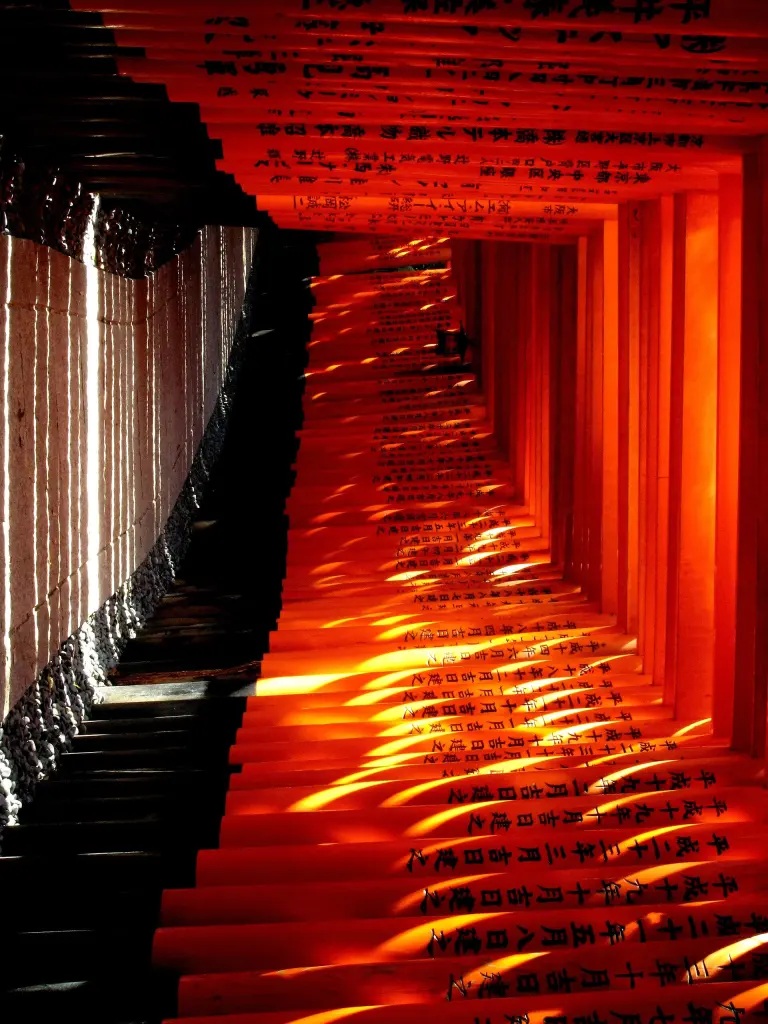
Fushimi Inari Taisha is Kyoto’s principal Inari shrine, joining an ancient mountain cult with donated vermilion torii and widespread devotion.

The Dai Nippon Butoku Kai was Japan’s leading national martial-arts organisation from 1895 until its dissolution in 1946.