Cultural Geography
Shikoku Campaign of 1585
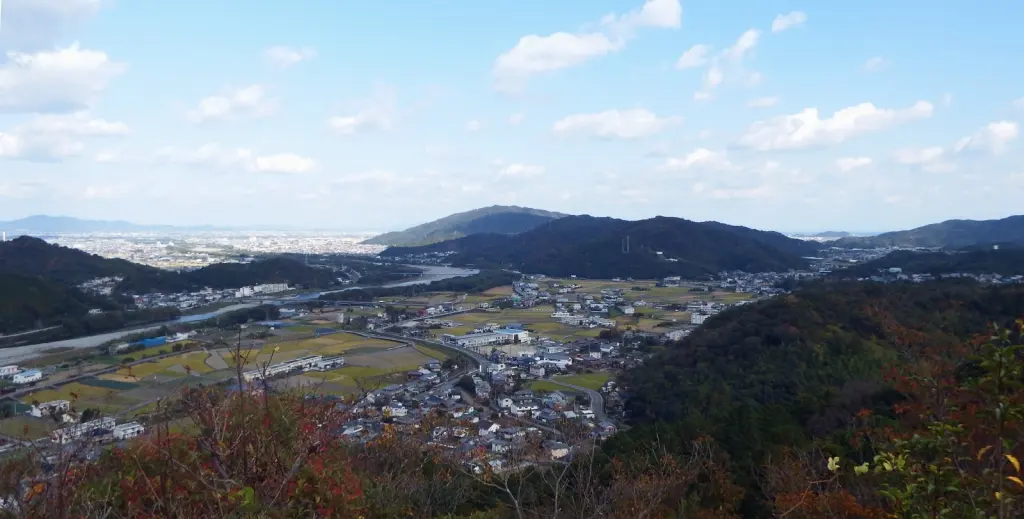
Image: Dokudami / Wikimedia Commons · CC BY-SA 4.0
Overview
Conquest became a territorial settlement.
The Shikoku campaign of 1585 was the military operation through which Hashiba Hideyoshi imposed his authority on Chōsokabe Motochika and reorganised the island’s territorial order. Toyotomi Hidenaga served as the campaign’s overall commander. Motochika, whose power had expanded from Tosa Province across much of Shikoku, submitted and retained Tosa while losing his other holdings. The event is also called Shikoku-zeme (四国攻め, the attack on Shikoku) or Shikoku heitei (四国平定, the pacification of Shikoku). Those labels describe the victors’ military and political outcome. The campaign involved several places and negotiations, rather than one battle that can stand for the entire island.
Hidenaga leads for Hideyoshi.
Motochika retains his house in Tosa.
New assignments reshape regional power.
At a glance
- Date
- 1585 · Tenshō 13
- Region
- Shikoku
- Campaign authority
- Hashiba Hideyoshi
- Overall commander
- Hashiba Hidenaga
- Principal opponent
- Chōsokabe Motochika
- Settlement
- Motochika retains Tosa; other holdings redistributed
01
Island expansion met a wider unification project
The Chōsokabe had built a territorial power in Tosa before extending into neighbouring provinces. At the same time, Hideyoshi was consolidating his position after Nobunaga’s death. The Battle of Komaki and Nagakute in 1584 belongs to that wider contested succession. Shikoku became another region in which local expansion encountered Hideyoshi’s growing military coalition.
02
Hideyoshi delegated the operation to Hidenaga
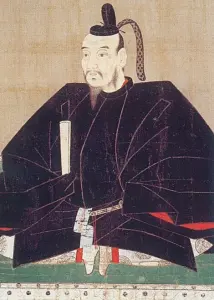
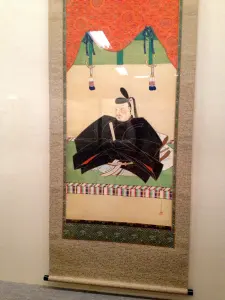
Hidenaga’s overall command is documented in museum accounts of his service. Delegation allowed Hideyoshi to apply authority through a trusted relative and allied commanders. Nagahama Castle Historical Museum also identifies Kuroda Yoshitaka, known as Kanbei, among those who crossed to Shikoku with Hidenaga. The command structure helps explain why the brothers’ careers are closely connected without being identical.
03
Fortified sites shaped the campaign’s geography
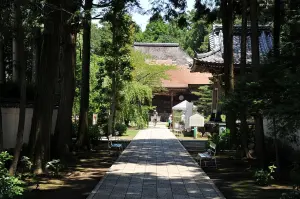
Ichinomiya in Awa was an important Chōsokabe stronghold. Its hilltop remains include several enclosed areas and later stonework. Tokushima City’s archaeological account places the site within the transition from Chōsokabe control to Hachisuka occupation. A modern view from the ruins illustrates the landscape; surviving features may belong to different phases and should not all be dated to the fighting itself.
04
Submission changed the terms of regional rule
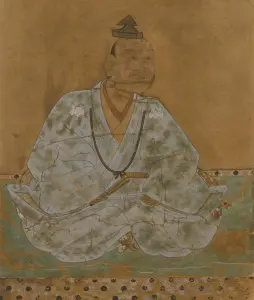
Motochika’s surrender preserved his house in Tosa while ending its wider island expansion. Hachisuka Masakatsu acted as an intermediary: Motochika’s surviving letter thanks him for help obtaining Hideyoshi’s pardon. The combination of armed pressure and mediation is central to understanding the outcome. Submission created a subordinate relationship within a broader political order.
Military pressure
- Result
- Motochika accepts Hideyoshi’s authority.
Negotiation
- Result
- Intermediaries help arrange the settlement.
Territory
- Result
- The Chōsokabe retain Tosa but lose wider holdings.
New assignments
- Result
- Hideyoshi’s associates receive redistributed territories.
05
The Awa settlement led towards Tokushima
Hachisuka Iemasa received Awa territory in 1585 and initially used Ichinomiya Castle. The move to a new base at Tokushima followed in 1586. This sequence connects the campaign with the later castle town and domain. It is Iemasa’s territorial appointment, rather than a grant to his father Masakatsu, that the prefectural museum identifies as the beginning of Hachisuka rule in Awa.
06
The campaign belongs to the consolidation of authority
The year 1585 is a turning point in Shikoku’s regional histories, but it did not end warfare throughout Japan. Nor did it erase older provincial identities. The event connects the Sengoku Period with new arrangements of landholding, service and castle administration. Reading letters alongside castle archaeology makes the settlement more legible than a narrative concerned only with victory and defeat.
Sources
Last updated: