Historic Cities
Tokushima
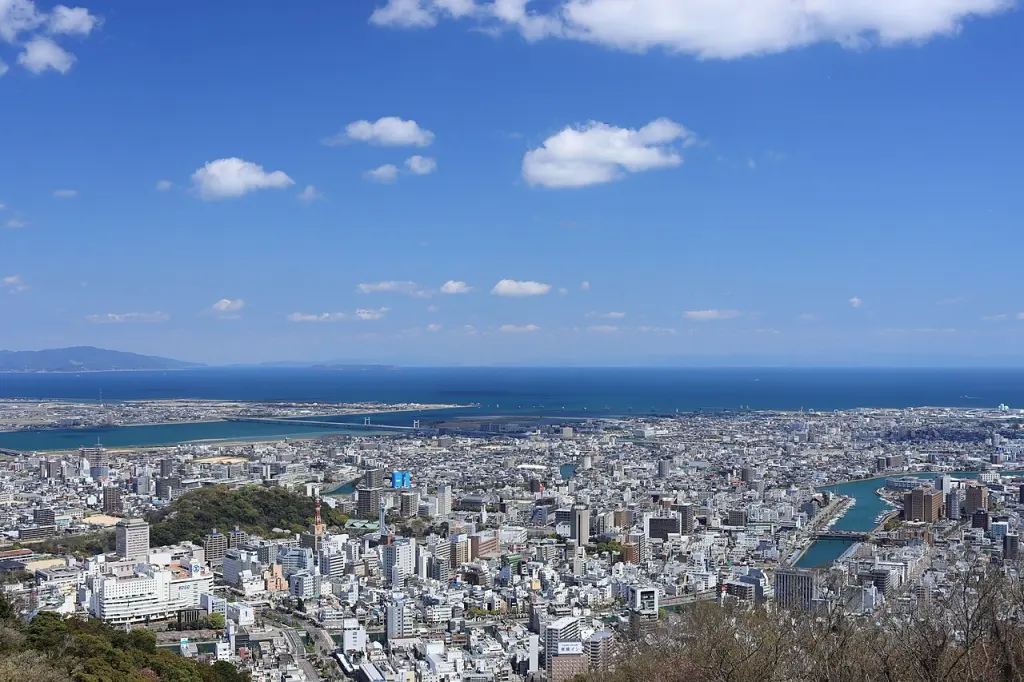
Image: 新幹線 / Wikimedia Commons · CC BY-SA 4.0
Overview
A castle town connected by rivers and performance.
Tokushima (徳島市, Tokushima-shi) is the capital city of Tokushima Prefecture in eastern Shikoku. Its urban history is closely associated with the Hachisuka family, whose new castle base developed in the late sixteenth century after the Shikoku Campaign of 1585. Waterways and the Yoshino River’s delta landscape shaped the castle town’s connections with trade and production. Awa Odori, indigo-related history and ningyō jōruri puppet theatre provide other routes into the city’s culture. These traditions also belong to the wider Awa and Tokushima region. This entry concerns the city, while distinguishing it from the prefecture and the historical province whose names appear in many accounts of the same cultural heritage.
Hachisuka rule establishes a new centre.
Regional industries connect town and countryside.
Dance and puppetry continue across the wider region.
At a glance
- Japanese name
- 徳島市 · Tokushima-shi
- Location
- Eastern Shikoku
- Administrative role
- Capital of Tokushima Prefecture
- Historical province
- Awa
- Castle-town ruler
- Hachisuka Iemasa and his successors
- Cultural connections
- Awa Odori, indigo and puppet theatre
01
Waterways connect the city with the wider region
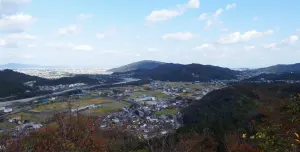
Tokushima’s setting at the Yoshino delta and near Mount Bizan provides a useful geographical orientation. A view from Bizan shows the city within its riverine and coastal landscape. The prefectural library’s historical study explains how the castle town grew through settlement and commercial networks. The city’s cultural history therefore extends beyond the castle precinct into routes carrying people, materials and goods.
02
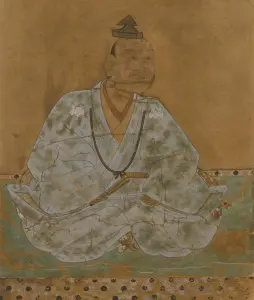
Iemasa established the Hachisuka base
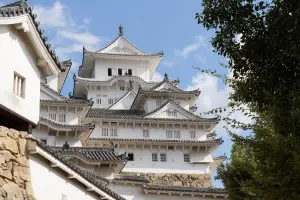
Hachisuka Iemasa received Awa territory in 1585, initially occupying Ichinomiya Castle. He developed the new Tokushima base in 1586. His father Hachisuka Masakatsu belongs to the political background of the settlement, while Iemasa is the central figure in the new territorial administration. The sequence links Japanese Castles with the creation of an urban centre.
Ichinomiya
- Historical role
- Iemasa’s initial base after the 1585 settlement.
Tokushima castle town
- Historical role
- New centre developed from 1586.
Awa Province
- Historical role
- Wider historical region under Hachisuka rule.
Tokushima Prefecture
- Historical role
- Modern prefectural framework, distinct from the city.
03
Regional industries supported an urban economy
Tokushima Prefectural Museum identifies indigo, sugar, paper and tobacco among the products developed under domain government. These activities connected rural production with trade and urban wealth. Indigo is especially prominent in Awa’s cultural identity, but its history belongs to the wider river basin rather than only to the present city boundary. Materials and markets help explain the resources behind cultural patronage.
04
Awa Odori gives the city a major public performance tradition
Tokushima’s August Awa Odori is a central expression of the city’s festival identity. Organised dance groups, music and public performance turn streets into a shared performance setting. Accounts of its origins include several traditions, so a single story about the founding of the castle should not be treated as settled fact. The city also presents the dance through the year-round Awa Odori Kaikan.
05
Puppet theatre connects urban and rural audiences
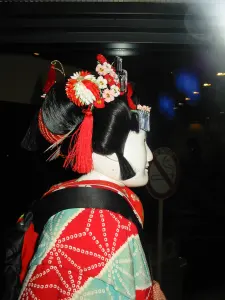
Awa ningyō jōruri combines puppetry with narrative chanting and shamisen. The Agency for Cultural Affairs links its development with Hachisuka patronage, Awaji performers and the support of indigo-related wealth. Rural stages are part of this wider history. Within the city, the Awa Jūrōbē Yashiki provides a setting for performance and interpretation. The related Bunraku entry explains another major institutional context for Japanese puppet theatre.
06
Museums and sites make the connections visible
Castle remains, museum collections, performance venues and the view from Bizan reveal different aspects of Tokushima. They should be read together without treating all Awa heritage as if it originated within today’s city limits. The Chōsokabe–Hachisuka transition explains one important political foundation; later commerce and cultural practice explain how the castle town developed a longer life.
Sources
Last updated: