People
Hachisuka Masakatsu
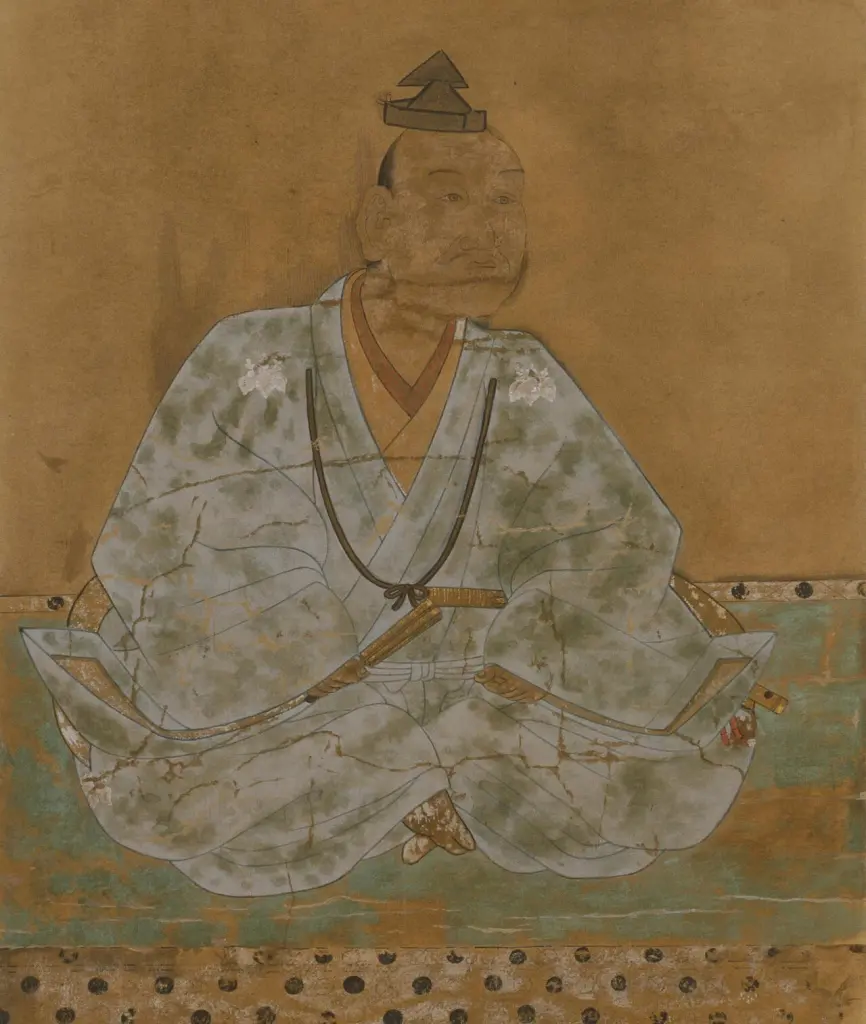
Image: Unknown artist / Wikimedia Commons · Public domain
Overview
Military service and negotiation in Hideyoshi’s rise.
Hachisuka Masakatsu (蜂須賀正勝, 1526–1586), also known as Koroku (小六), was a military retainer of Toyotomi Hideyoshi associated with Owari and the expansion of Hideyoshi’s authority. His role included negotiation as well as military service. A letter preserved by Tokushima Castle Museum records Chōsokabe Motochika thanking him for intercession after the Shikoku Campaign of 1585. Masakatsu’s connection with Awa must be distinguished from that of his son Hachisuka Iemasa, who received territory there in 1585 and developed the family’s Tokushima base. Later stories frequently cast Koroku as a colourful outlaw. Museum research instead places surviving documents at the centre of his biography and examines how that popular image was constructed.
A career associated with Hideyoshi’s rise.
Correspondence documents his intercession.
Iemasa’s rule established the Tokushima base.
Life at a glance
- Japanese name
- 蜂須賀正勝
- Other name
- 小六 · Koroku
- Life
- 1526–1586
- Origin
- Owari Province
- Principal service
- Hashiba / Toyotomi Hideyoshi
- Son
- Hachisuka Iemasa
01
Koroku and Masakatsu refer to the same retainer
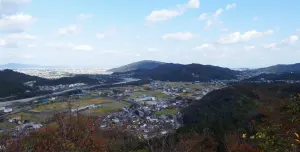
Masakatsu is remembered through both his personal name and the familiar Koroku. The National Diet Library authority record identifies his dates as 1526–1586. His family’s ancestral associations survive around Hachisuka in present-day Ama, Aichi Prefecture. This Owari background should be kept distinct from the Awa territory associated with the family’s later prominence.
02
His career followed Hideyoshi’s rise
Tokushima Castle Museum describes Masakatsu as one of Hideyoshi’s longstanding retainers. The relationship belonged to the changing coalitions of the late Sengoku Period. It brought opportunities for military and territorial advancement, but it also required trusted intermediaries. A biography centred only on dramatic battlefield episodes overlooks the political work that surviving correspondence can document.
03
A letter makes his mediating role visible
In a letter held by Tokushima Castle Museum, Motochika thanks Masakatsu for assistance in obtaining Hideyoshi’s pardon after the Shikoku campaign. The request for continuing guidance shows that the relationship extended beyond an isolated surrender. The letter supports a precise claim about intercession; it does not prove that Masakatsu alone determined the whole settlement.
04
The Awa grant belonged to his son Iemasa
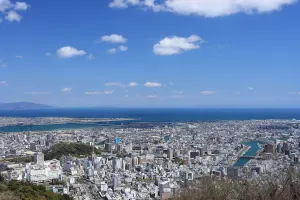
The prefectural museum identifies Iemasa as the recipient of Awa territory in 1585. Iemasa initially occupied Ichinomiya before establishing a new castle base at Tokushima. Masakatsu helped create the political relationships behind the family’s position, while the son’s territorial rule became the foundation of its later domain history. The two biographies overlap but are not interchangeable.
Hachisuka Masakatsu
Military retainer and intermediary associated with Hideyoshi.
Hachisuka Iemasa
Territorial rule and the establishment of the Tokushima base.
05
Family commemoration followed his death
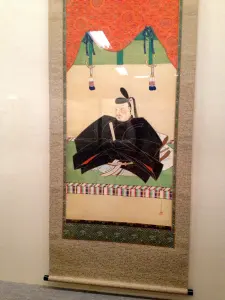
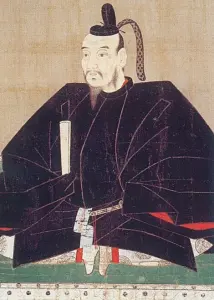
Masakatsu died in 1586. Tokushima Castle Museum describes a portrait commissioned by Iemasa shortly after his father’s death, illustrating how a family memorial could also assert an ancestral identity. The portrait reproduced on this page comes from the University of Tokyo Historiographical Institute database; its digital file date is not the date of the original painting.
06
The outlaw image belongs to later storytelling
The museum’s 2026 anniversary exhibition explicitly addresses the gap between the familiar rough bandit image and the person recoverable from documents. That distinction matters when reading novels or watching Jidaigeki. A memorable scene may reveal a later audience’s expectations of Koroku without establishing an event in Masakatsu’s life. Local commemoration and archival research answer different questions.
07
Selected chronology
The chronology keeps Masakatsu’s lifetime separate from the subsequent Hachisuka domain.
- 1526Born; date recorded in the NDL authority file.
- 1585Participates in the political settlement after the Shikoku campaign.
- 1585His son Iemasa receives Awa territory.
- 1586Masakatsu dies; family commemoration follows.
Sources
- Tokushima Castle Museum, Letter from Chōsokabe Motochika to Hachisuka Masakatsu.
- Tokushima Prefectural Museum, Early modern Awa.
- National Diet Library, Hachisuka Masakatsu authority record.
- Tokushima Castle Museum, Hachisuka Masakatsu: 500th anniversary exhibition.
- Tokushima Castle Museum, Portrait of Hachisuka Masakatsu.
- Ama Tourism Association, Rengeji Temple.
Last updated: