
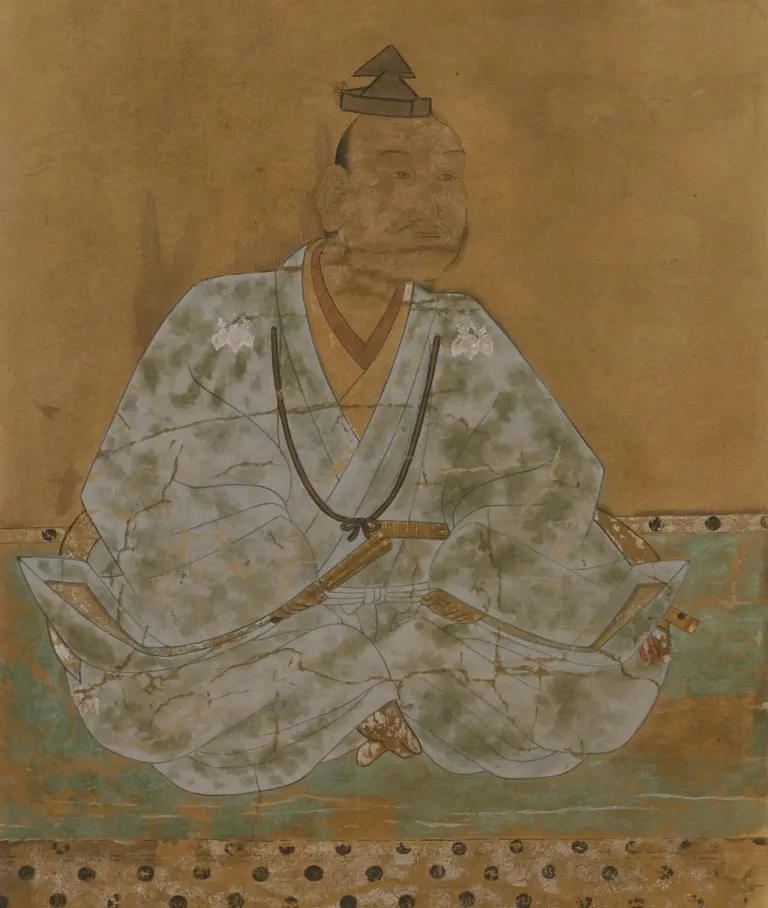
Hachisuka Masakatsu
Hachisuka Masakatsu, also known as Koroku, served Hideyoshi and mediated with the Chōsokabe; his son Iemasa established the family’s rule in Awa.
Hachisuka Masakatsu, also known as Koroku, served Hideyoshi and mediated with the Chōsokabe; his son Iemasa established the family’s rule in Awa.
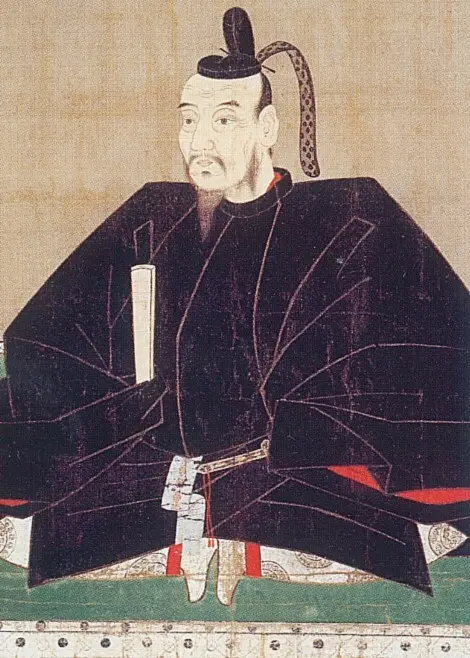
Chōsokabe Motochika united Tosa and extended his power across much of Shikoku before accepting Hideyoshi’s authority in 1585.
Toyotomi Hideyoshi rose from modest origins to rule Japan, combining military unification and social regulation with cultural patronage and devastating invasions of Korea.
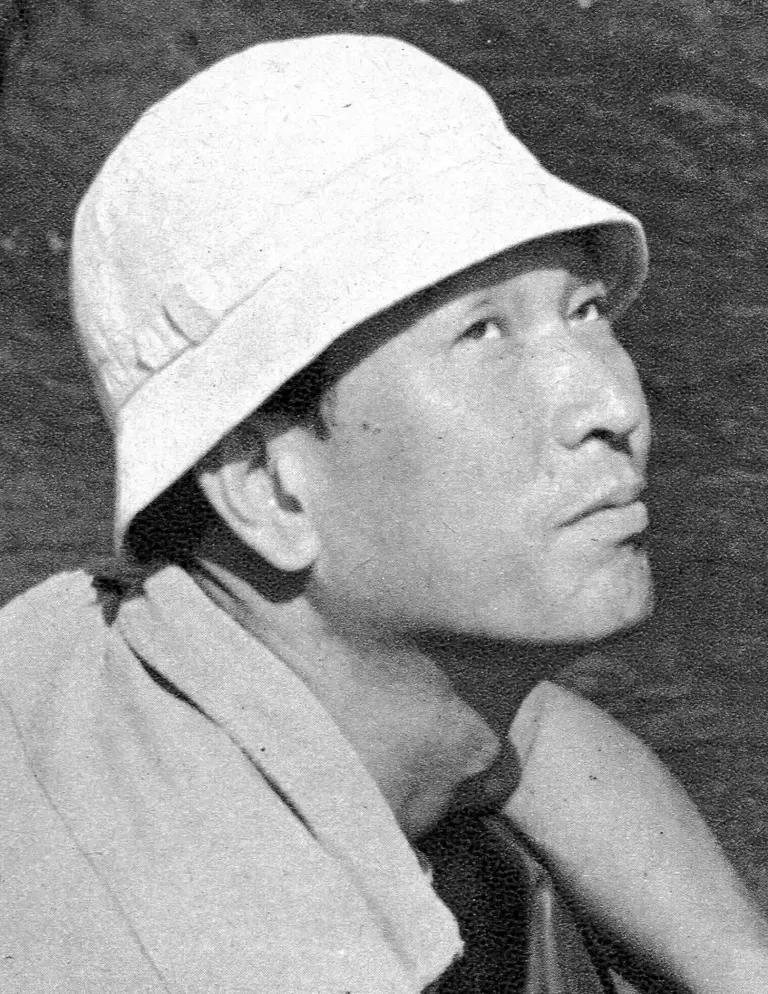
Akira Kurosawa directed thirty features spanning period drama, contemporary life and literary adaptation, while his films circulated through international festivals, remakes and restorations.
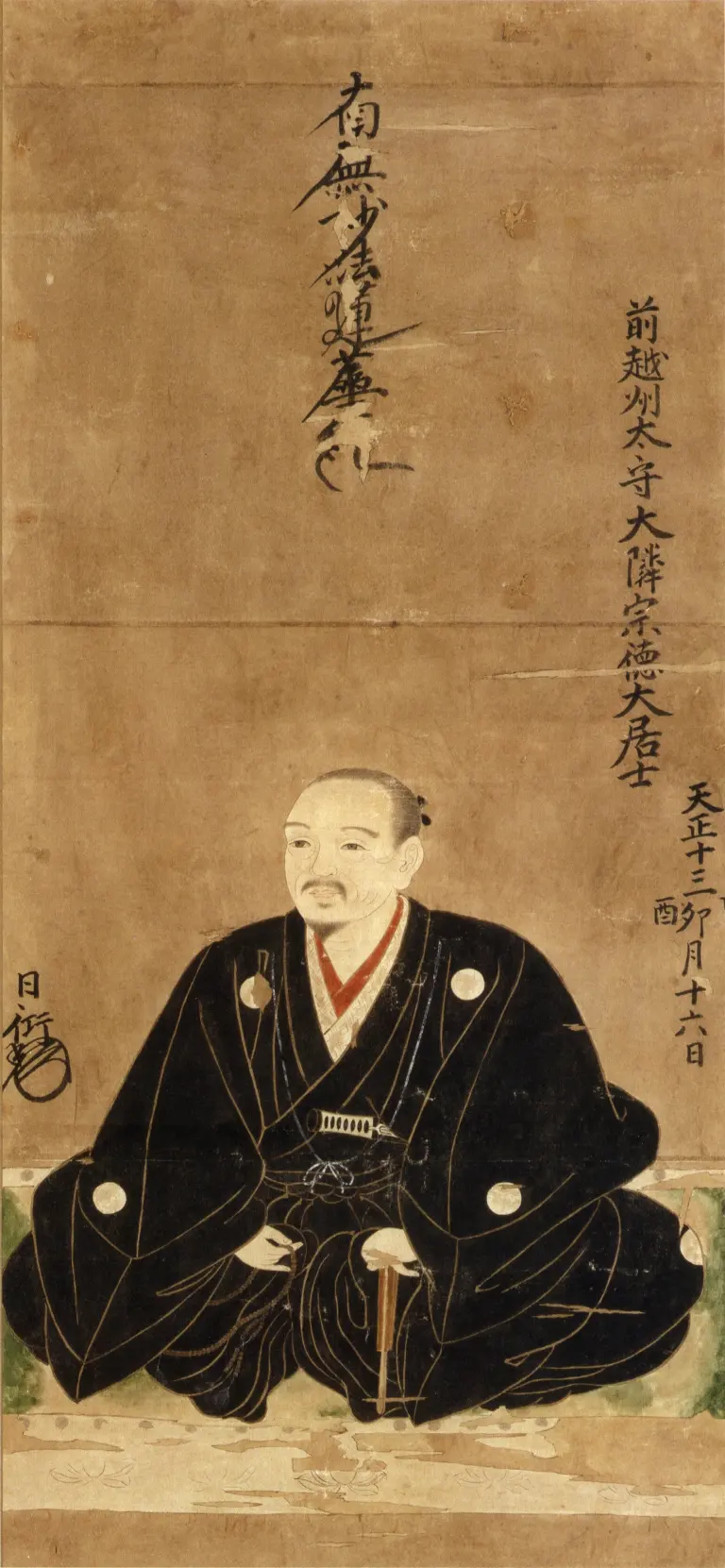
Niwa Nagahide was an Oda commander and castle administrator whose career connected Nobunaga’s expansion, Azuchi Castle and the succession struggles after 1582.
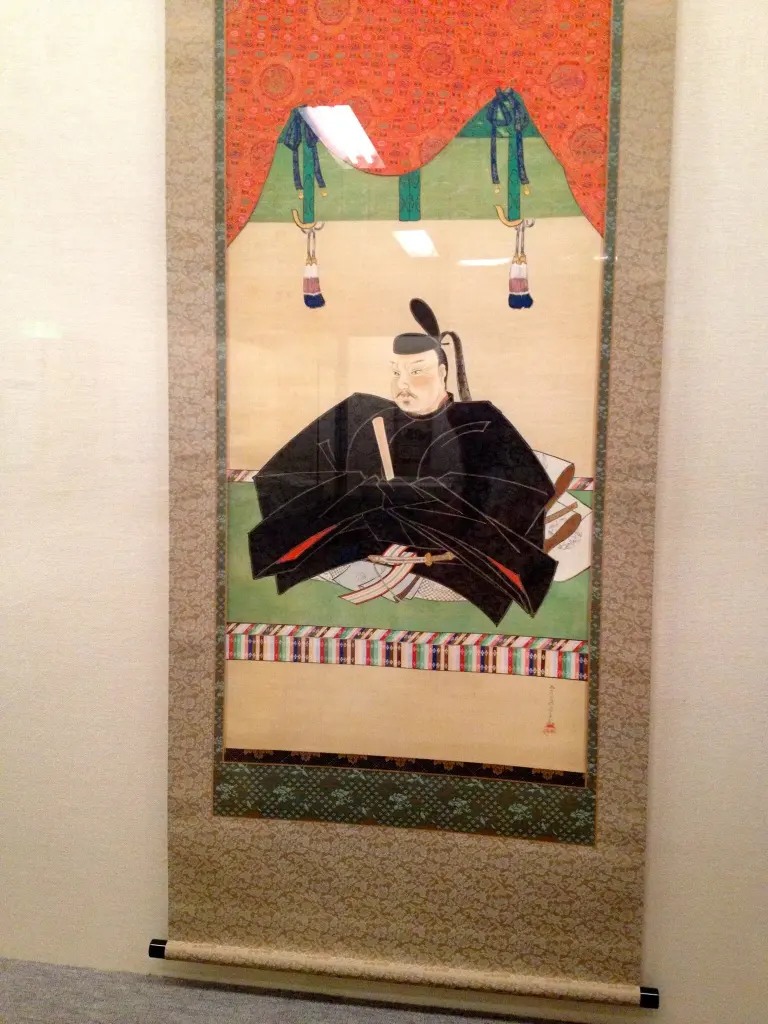
A biography of Toyotomi Hidenaga, Hideyoshi’s younger brother, senior commander, provincial lord, negotiator, and administrator at Kōriyama.
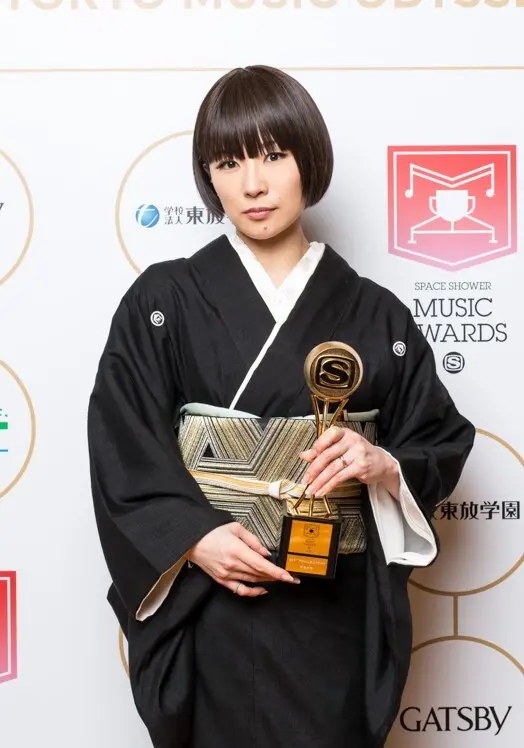
A biography of Shiina Ringo, the Japanese songwriter, composer, arranger and performer whose solo work and Tokyo Incidents connect pop, rock and wider media.
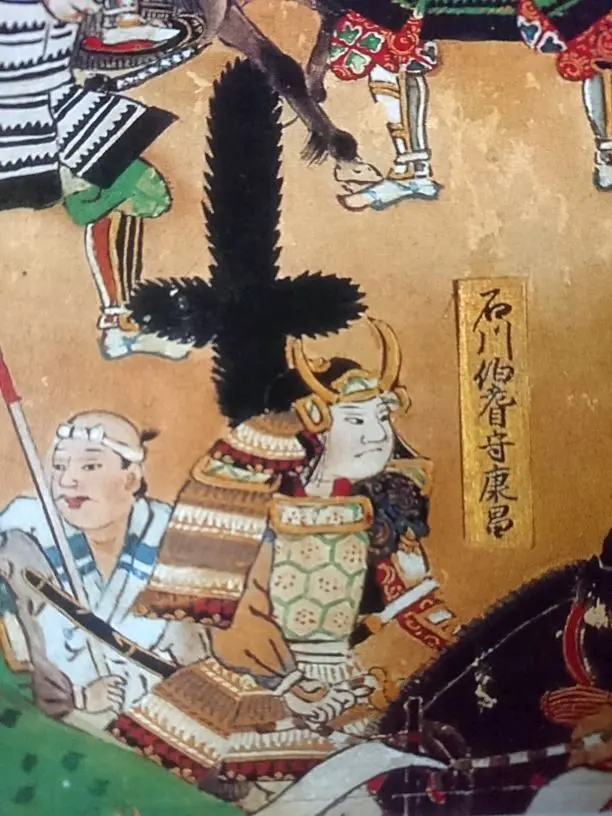
Ishikawa Kazumasa was a senior Tokugawa retainer who entered Toyotomi service in 1585 and later advanced Matsumoto’s castle and town development.
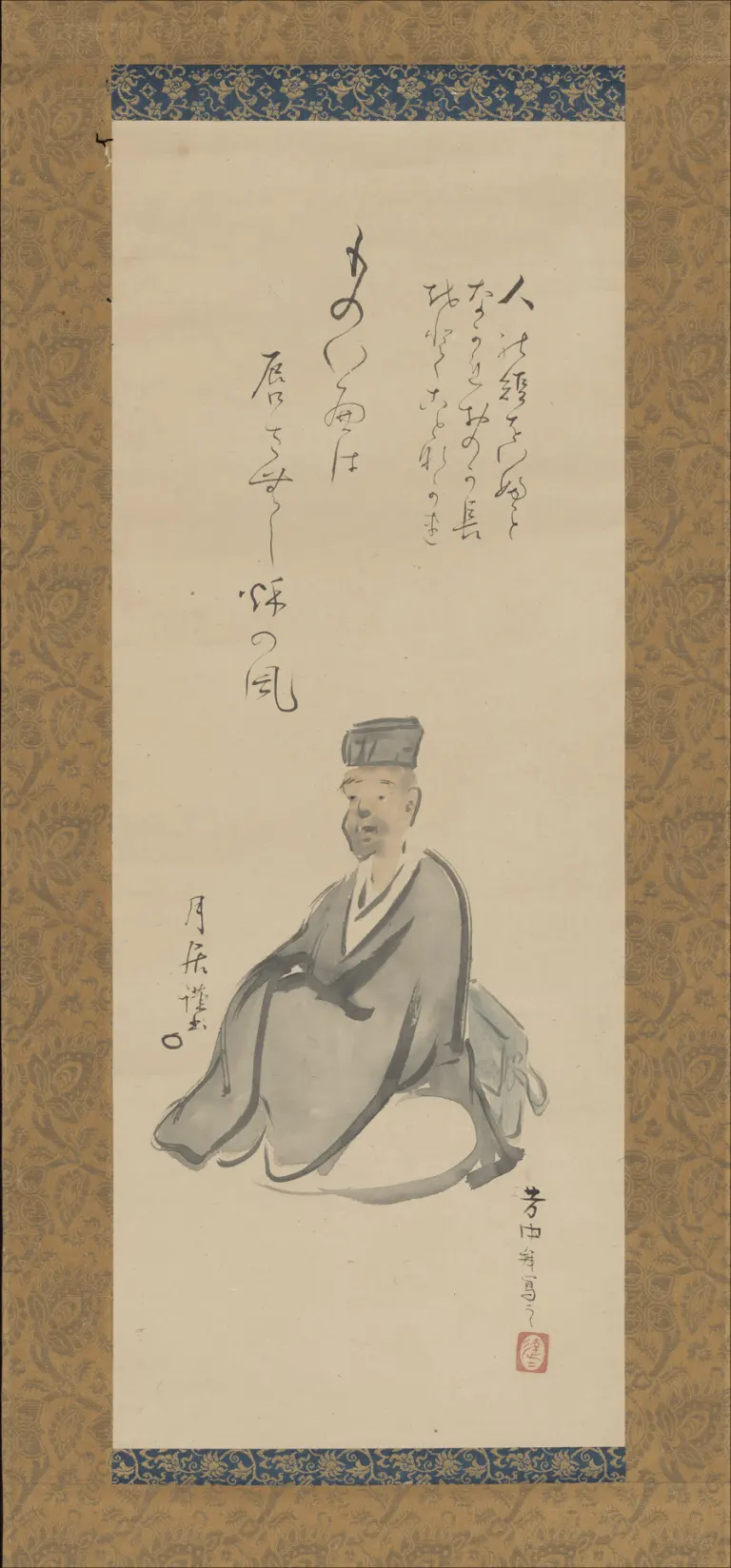
Matsuo Bashō was an Edo-period haikai master whose travel writing and hokku reshaped Japanese poetry and later haiku.
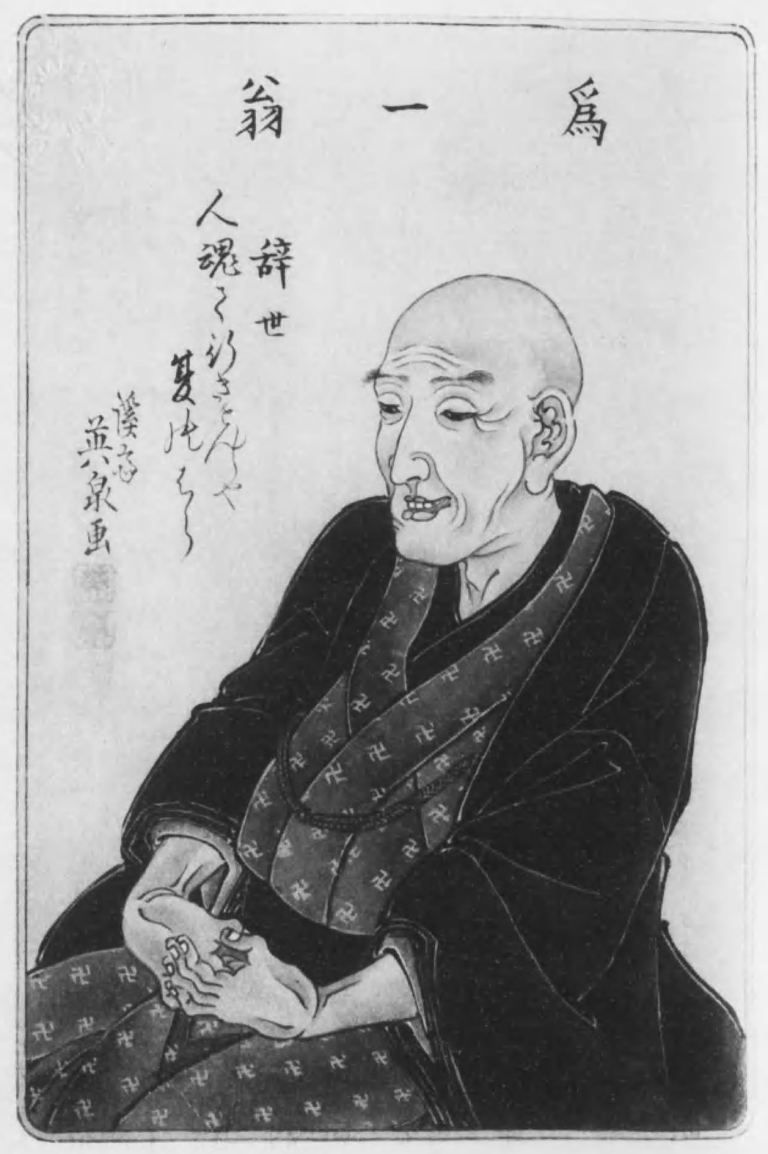
Katsushika Hokusai was an Edo artist whose prints, books, drawings, and paintings transformed landscape imagery and visual culture.