
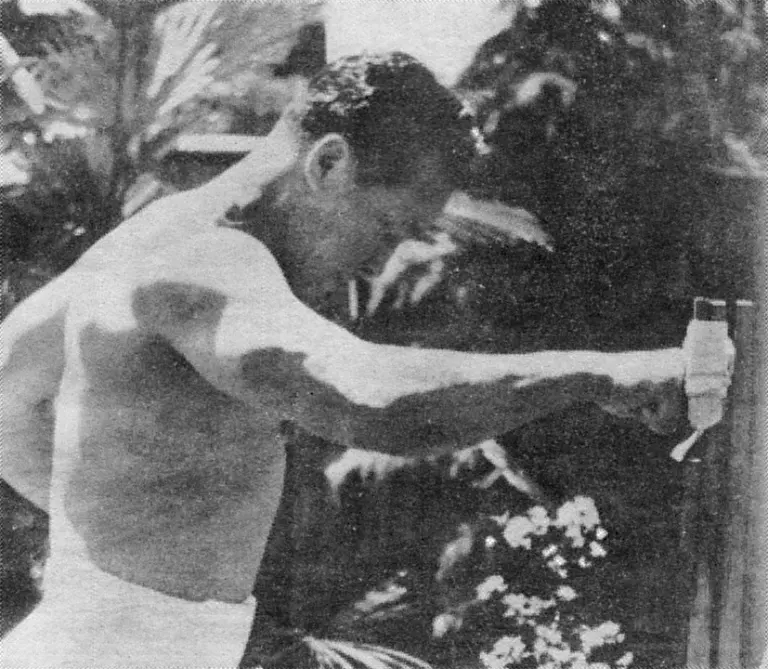
Masutatsu Ōyama
Masutatsu Ōyama founded Kyokushin Karate and built an international full-contact organisation whose history later became closely intertwined with popular legend.
Masutatsu Ōyama founded Kyokushin Karate and built an international full-contact organisation whose history later became closely intertwined with popular legend.
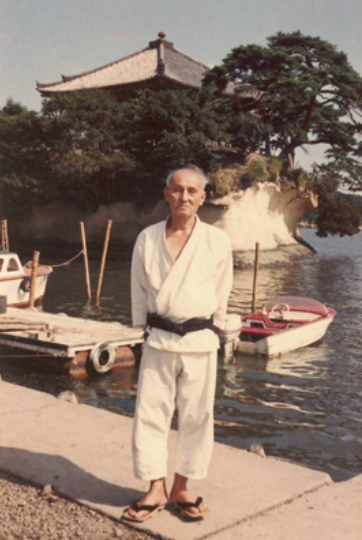
Hironori Ōtsuka founded Wadō-ryū by developing Karate through his prior study of Shindō Yōshin-ryū jūjutsu and Japanese budō.
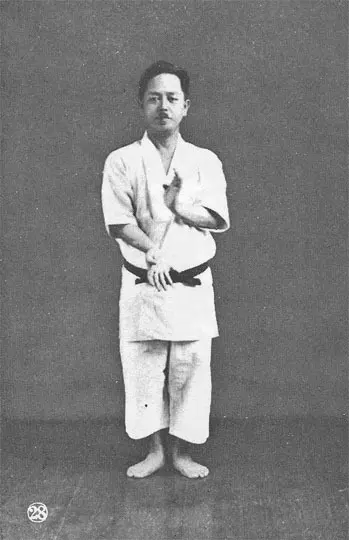
Kenwa Mabuni founded Shitō-ryū Karate, drawing especially on the teachings of Ankō Itosu and Kanryō Higaonna and a broad study of Okinawan kata.
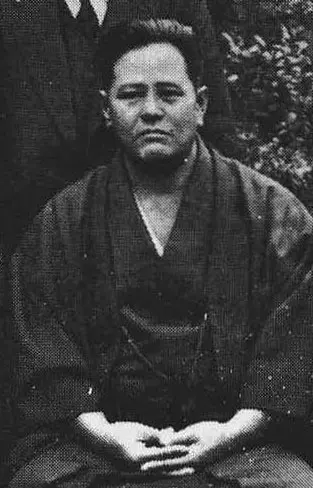
Chōjun Miyagi was the Okinawan Karate teacher who named and systematised Gōjū-ryū from the Naha-te tradition associated with Kanryō Higaonna.
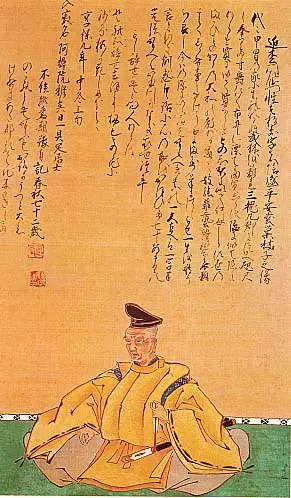
Chikamatsu Monzaemon was a Genroku-period playwright whose works transformed both ningyō jōruri puppet theatre and Kabuki.
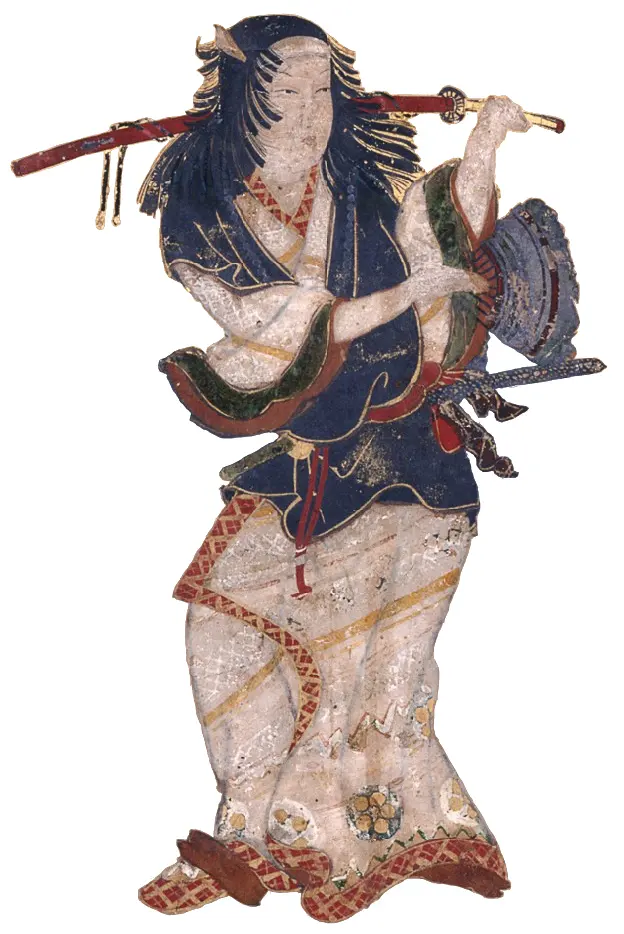
Izumo no Okuni is the early-seventeenth-century performer associated with kabuki odori and the origins of Kabuki in Kyoto.
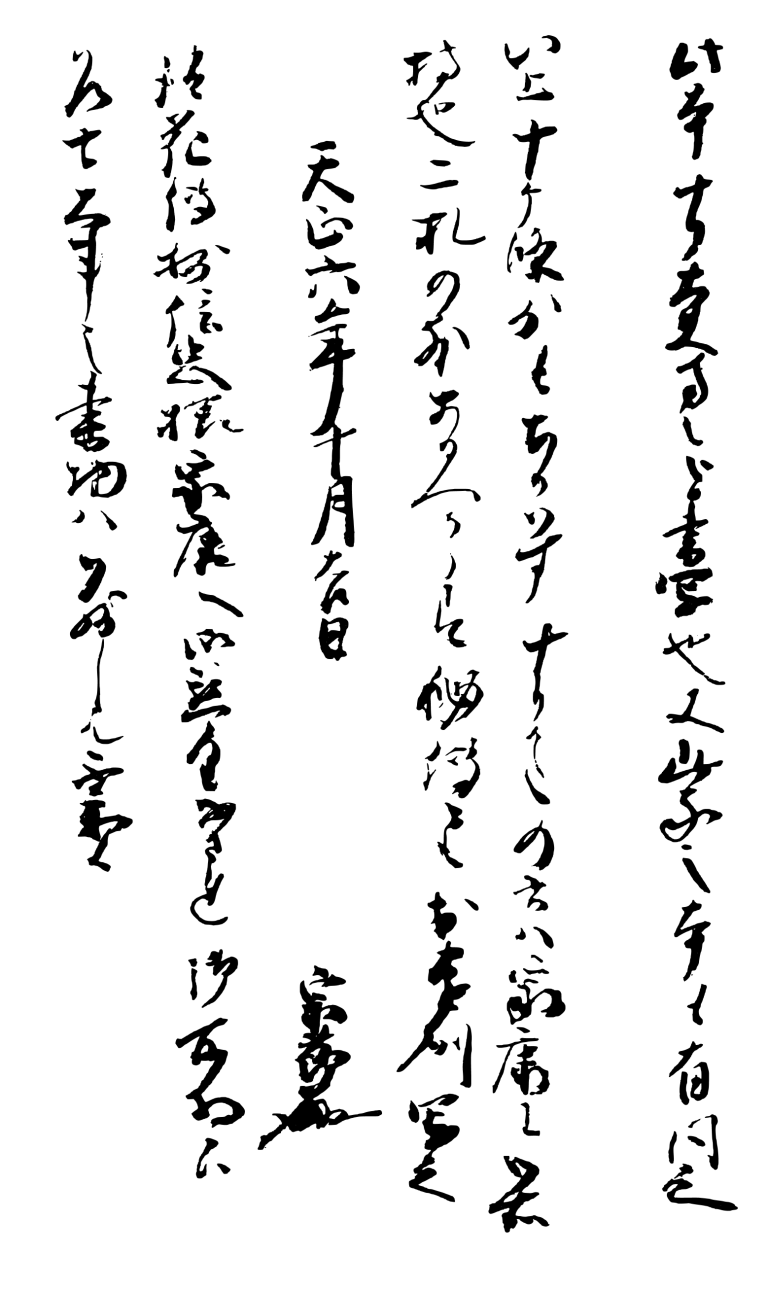
Zeami Motokiyo was a Noh actor, playwright, troupe leader, and theorist whose plays and treatises shaped the transmission of Noh.
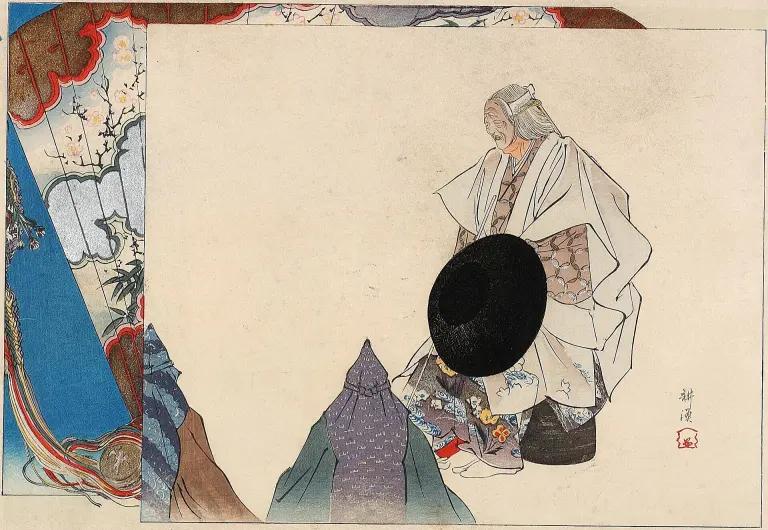
Kan’ami Kiyotsugu was a fourteenth-century actor, troupe leader, and playwright whose performance innovations helped form Noh theatre.
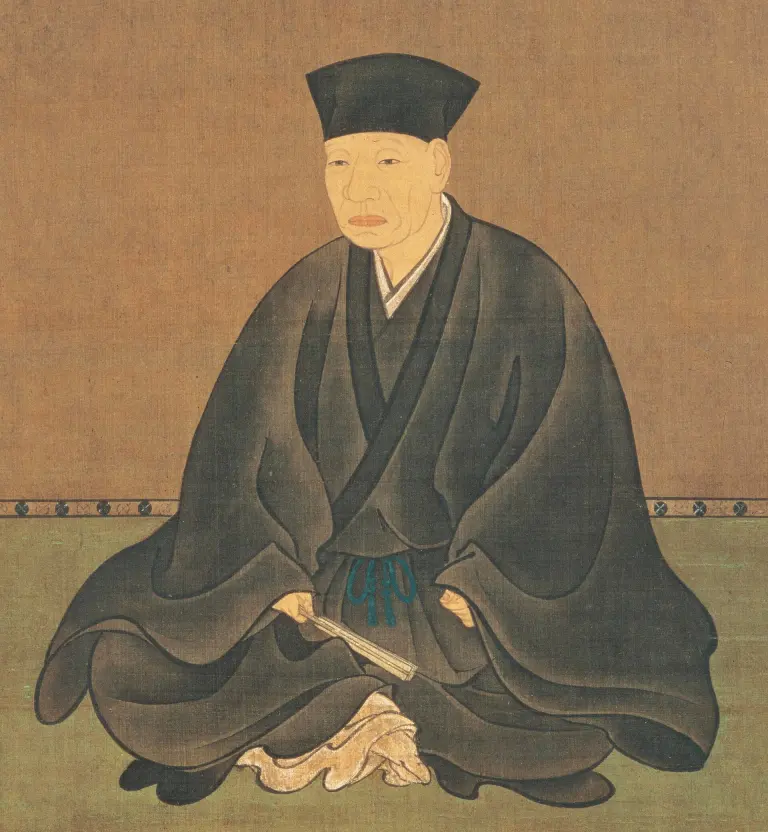
Sen no Rikyū was a sixteenth-century tea master whose wabi-cha practice reshaped Japanese tea rooms, utensils, hospitality, and cultural memory.

Kenji Tomiki was a Japanese martial artist and educator who connected Judo and Aikido through systematic kata, randori, and university physical education.