
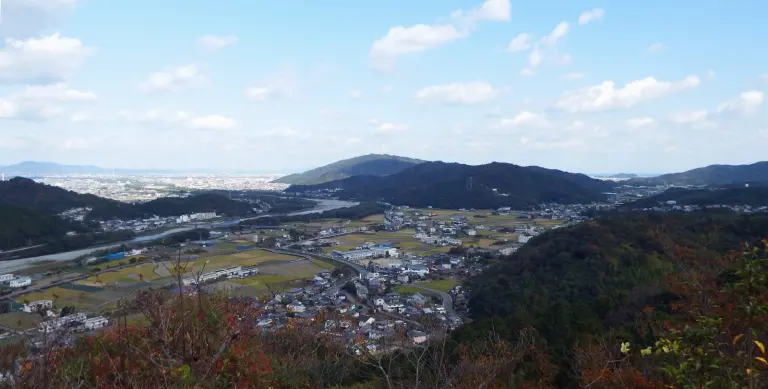
Shikoku Campaign of 1585
The 1585 campaign brought Chōsokabe Motochika under Hideyoshi’s authority and redistributed Shikoku’s territories through conquest and negotiated settlement.
The 1585 campaign brought Chōsokabe Motochika under Hideyoshi’s authority and redistributed Shikoku’s territories through conquest and negotiated settlement.
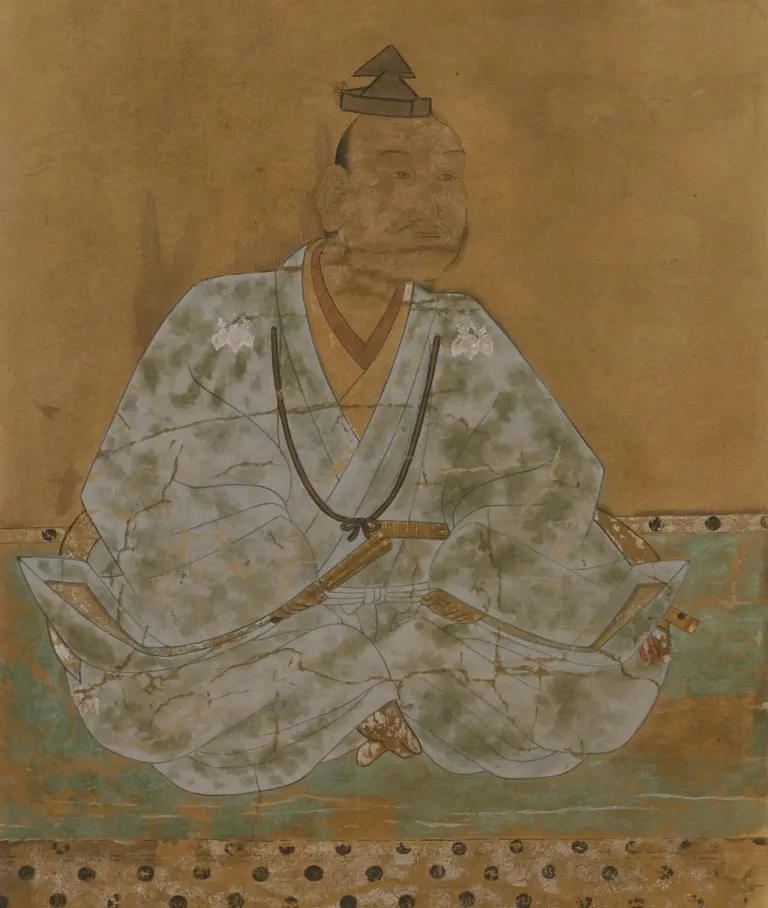
Hachisuka Masakatsu, also known as Koroku, served Hideyoshi and mediated with the Chōsokabe; his son Iemasa established the family’s rule in Awa.
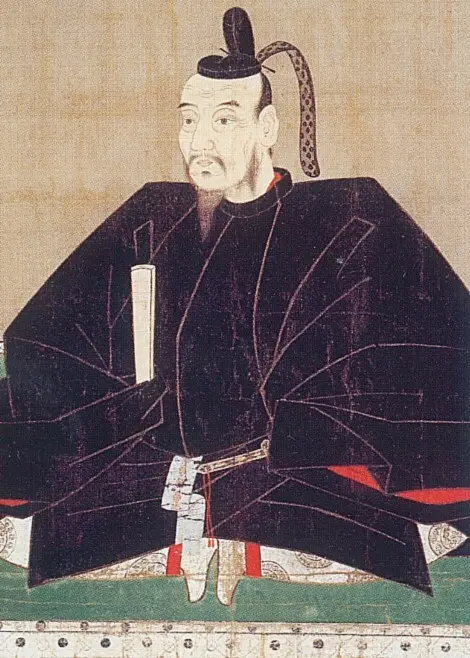
Chōsokabe Motochika united Tosa and extended his power across much of Shikoku before accepting Hideyoshi’s authority in 1585.
Toyotomi Hideyoshi rose from modest origins to rule Japan, combining military unification and social regulation with cultural patronage and devastating invasions of Korea.
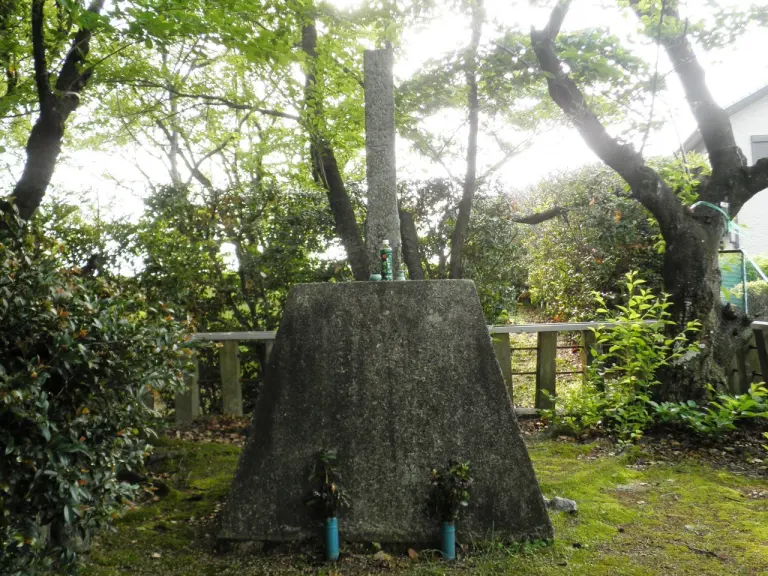
The 1584 Komaki–Nagakute campaign opposed Hideyoshi to Nobukatsu and Ieyasu; a Tokugawa battlefield victory was followed by a negotiated political settlement.
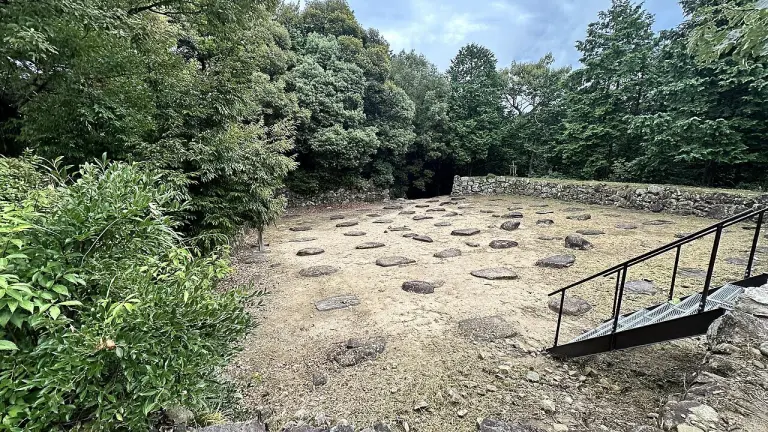
The Sengoku period describes Japan’s age of competing regional powers, conventionally beginning with the Ōnin War and ending through a gradual process of unification.
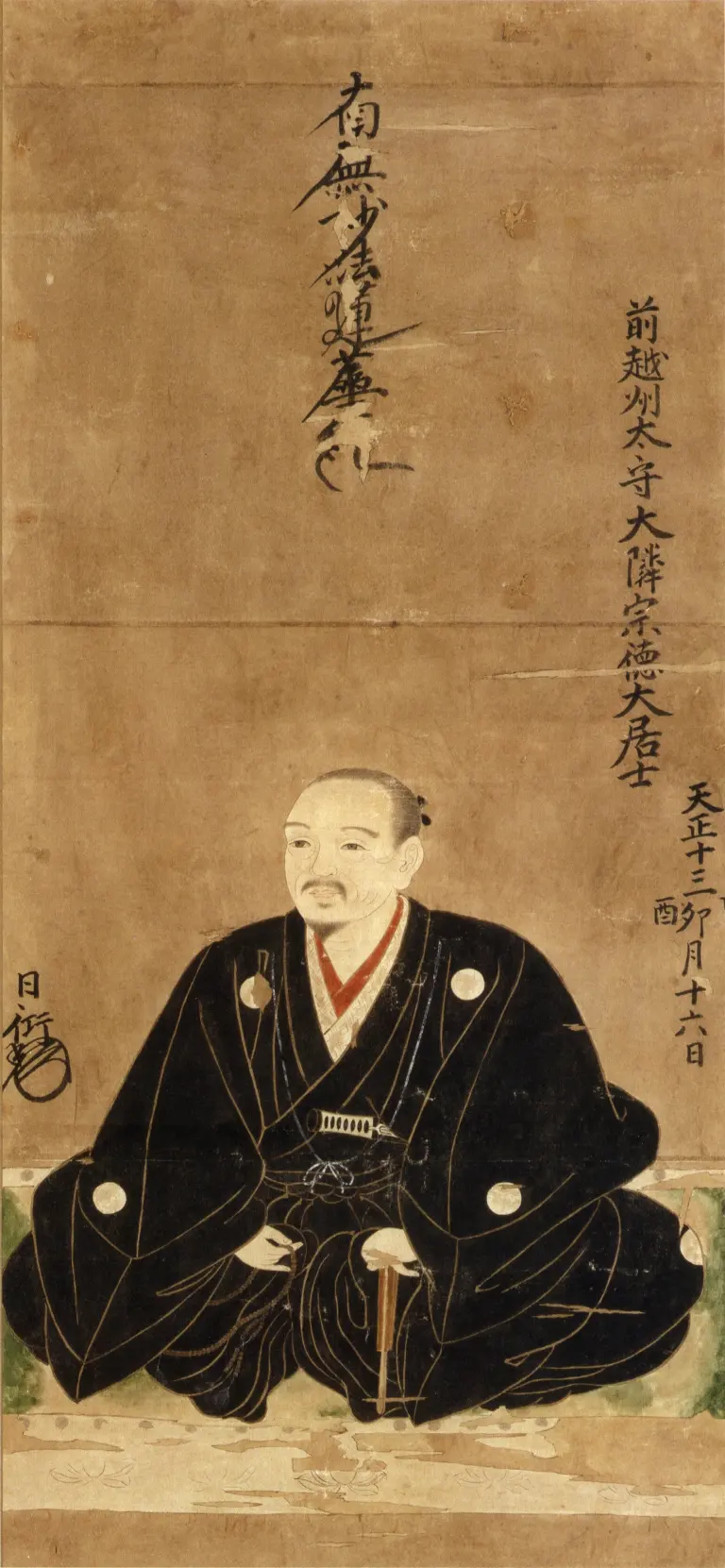
Niwa Nagahide was an Oda commander and castle administrator whose career connected Nobunaga’s expansion, Azuchi Castle and the succession struggles after 1582.
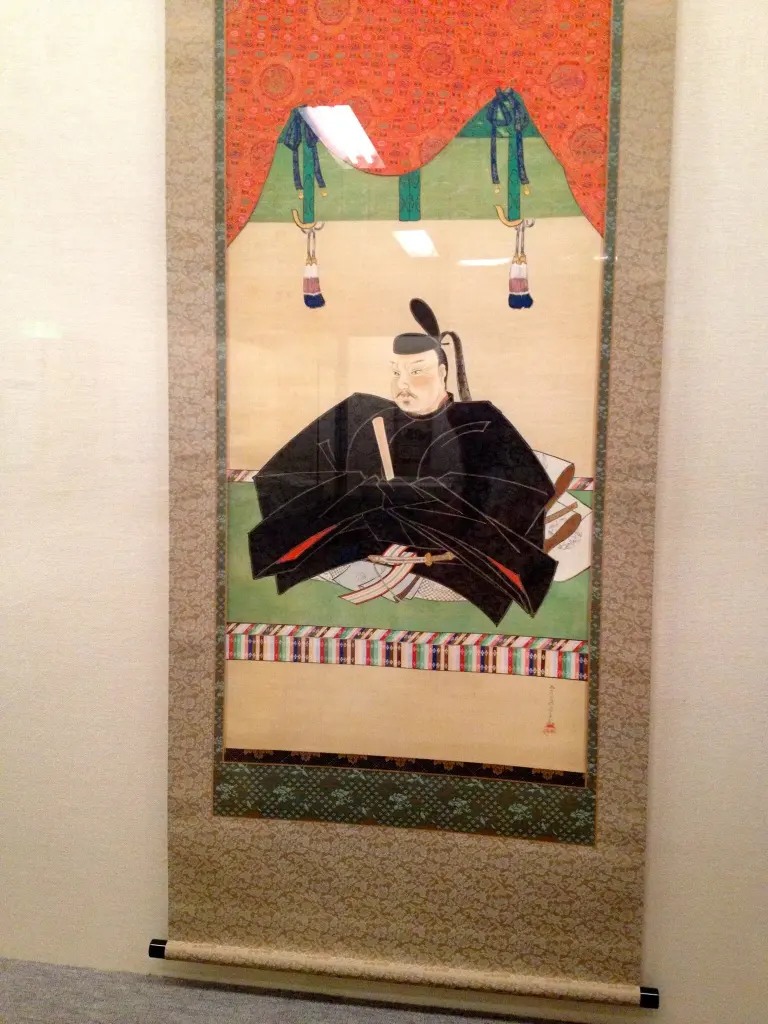
A biography of Toyotomi Hidenaga, Hideyoshi’s younger brother, senior commander, provincial lord, negotiator, and administrator at Kōriyama.
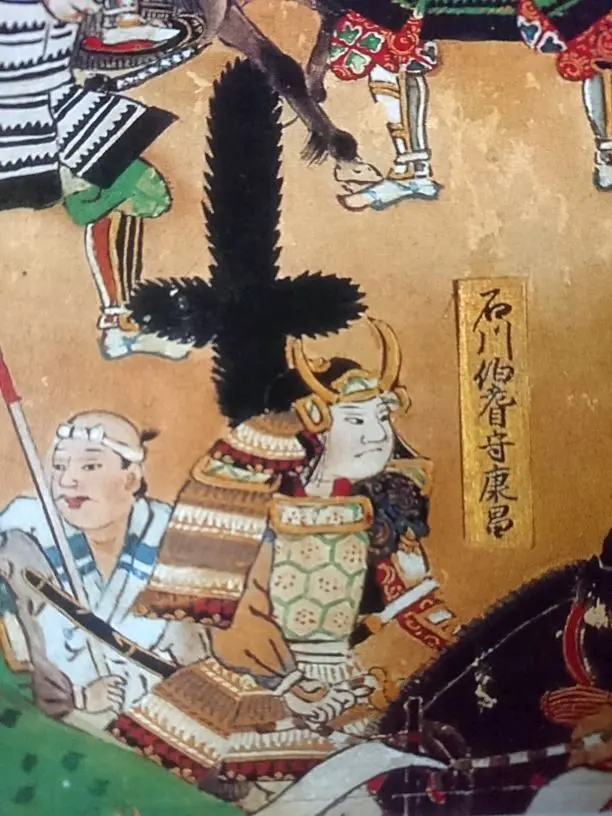
Ishikawa Kazumasa was a senior Tokugawa retainer who entered Toyotomi service in 1585 and later advanced Matsumoto’s castle and town development.