Cultural Geography
Battle of Komaki and Nagakute
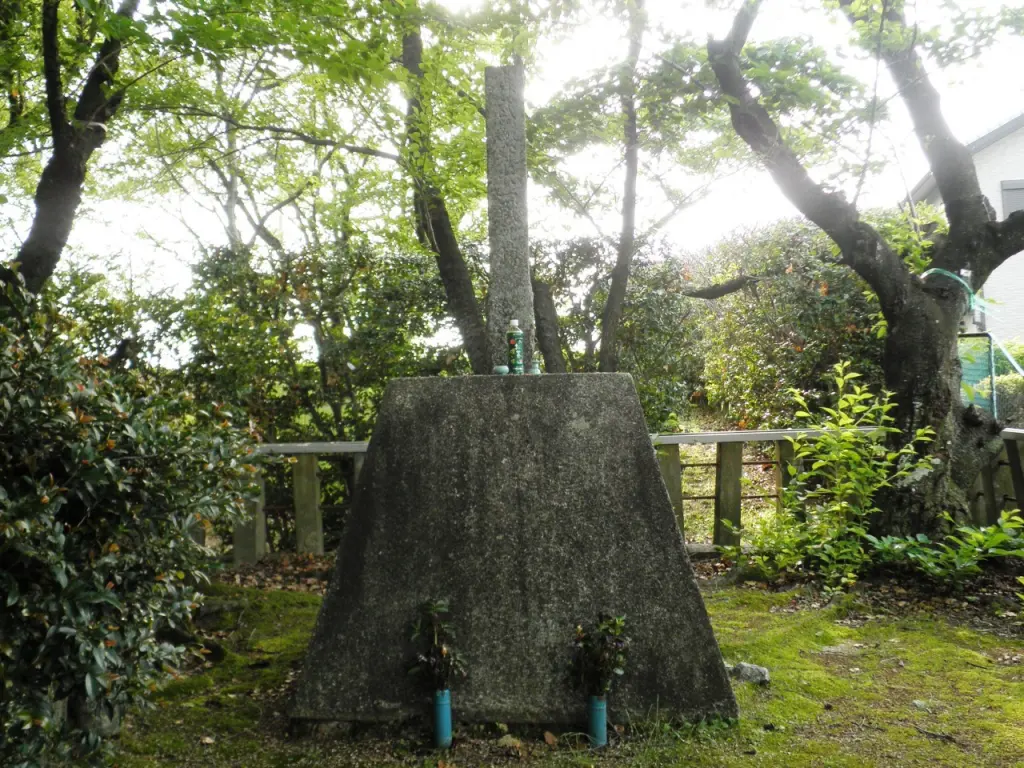
Image: 立花左近 / Wikimedia Commons · CC BY-SA 3.0
Overview
One campaign. A battlefield result and a political settlement.
The Battle of Komaki and Nagakute (小牧・長久手の戦い) was a campaign fought in 1584 between Hashiba Hideyoshi, later known as Toyotomi Hideyoshi, and the alliance of Oda Nobukatsu and Tokugawa Ieyasu. Its name joins the fortified confrontation around Komaki with the fighting at Nagakute, within a wider struggle over power after Oda Nobunaga’s death. Ieyasu’s forces won the principal Nagakute engagement, but the campaign did not end with that battlefield result. Nobukatsu’s later separate agreement with Hideyoshi changed the political situation and helped bring hostilities to a close. The distinction between a battle, a campaign and its settlement is essential to interpreting the outcome.
Castles and fieldworks sustained a standoff.
An intercepted advance produced major fighting.
Nobukatsu’s agreement changed the coalition.
At a glance
- Japanese name
- 小牧・長久手の戦い
- Year
- 1584 · Tenshō 12
- Main opposing sides
- Hashiba Hideyoshi; Oda Nobukatsu and Tokugawa Ieyasu
- Core theatre
- Owari, including Komaki and Nagakute
- Nagakute engagement
- Tenshō 12, fourth month, ninth day
- Outcome distinction
- Tokugawa battlefield success; later negotiated settlement
01
Nobunaga’s death left authority contested
After Nobunaga died in 1582, Hideyoshi defeated Akechi Mitsuhide at Yamazaki and subsequently overcame Shibata Katsuie. Nobunaga’s son Nobukatsu regarded Hideyoshi’s growing power as a threat and sought support from Ieyasu. The resulting alliance connected an Oda succession dispute with the protection of Tokugawa interests. This setting places the campaign within the wider Sengoku Period.
02
The Komaki front depended on castles and fieldworks
Hideyoshi’s commanders gained Inuyama, while Ieyasu and Nobukatsu established their principal position at Komakiyama. Forts and earthworks structured the confrontation. Komaki’s municipal account describes an extended period of watching and manoeuvring rather than an immediate decisive assault. The term “Battle of Komaki” consequently includes a fortified standoff whose significance lies partly in position and restraint.
03
An advance towards Mikawa opened the Nagakute fighting
A detached Hideyoshi force attempted an advance towards Ieyasu’s base in Mikawa. Tokugawa forces intercepted its movement, and several engagements developed around Nagakute. Ikeda Tsuneoki and Mori Nagayoshi died in the fighting. The familiar date of fourth month, ninth day is a Japanese historical-calendar date; it should not silently be presented as Gregorian 9 April.
Inuyama and Gakuden
- Role in the campaign
- Hideyoshi-side positions north-east of Komaki.
Komakiyama
- Role in the campaign
- Principal allied position and fortified confrontation.
Nagakute
- Role in the campaign
- Fighting connected with the advance towards Mikawa.
Ise and the later settlement
- Role in the campaign
- Pressure on Nobukatsu helped change the political outcome.
04
A battlefield victory did not finish the campaign
After his Nagakute success, Ieyasu returned to the Komaki position. Fighting and pressure continued elsewhere, including engagements associated with Takehana and Kanie. The campaign extended over roughly eight months. Treating the whole conflict as a single day obscures both its geographical reach and the sequence through which the opposing coalitions changed their calculations.
05
Nobukatsu’s agreement altered Ieyasu’s position
Nobukatsu reached a separate accommodation with Hideyoshi later in 1584, removing the immediate basis for Ieyasu’s continued intervention on his behalf. Nagoya City Museum stresses that both leading rivals gained something significant: Ieyasu checked an advance towards Mikawa, while Hideyoshi strengthened his political position against Nobukatsu. “Who won?” therefore requires specifying the battlefield or the wider political contest.
06
The surviving landscape records several kinds of evidence
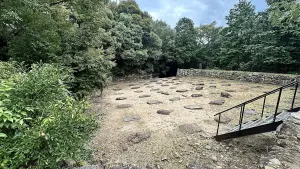
Komakiyama’s fortifications, battlefield memorials and historical maps preserve different aspects of the campaign. Aichi Prefectural Archives presents a historical map tracing the deployment and fighting. Memorial markers such as Musashi-zuka identify places associated with particular commanders, but should not be mistaken for untouched sixteenth-century remains. Castle Structure provides context for reading the fortified landscape.
Sources
Last updated: