Food Culture
Mirin
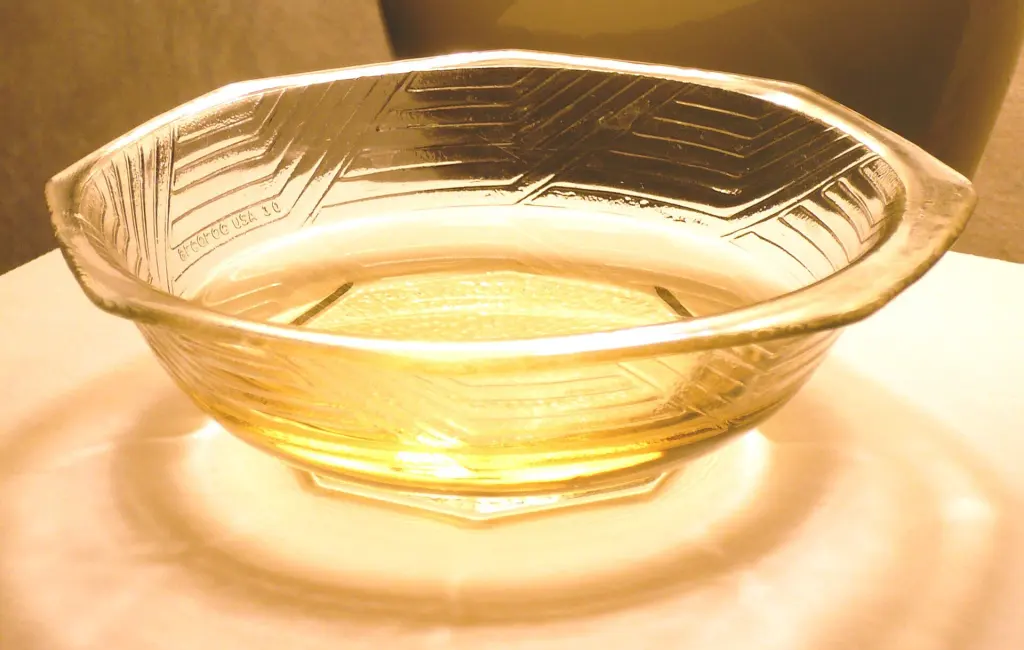
Image: Badagnani / Wikimedia Commons · CC BY 3.0
Mirin is a sweet alcoholic seasoning used in Japanese cooking. Hon mirin, the regulated liquor traditionally meant by the name, is made from steamed glutinous rice, rice kōji, and shōchū or brewing alcohol, then matured and pressed. Kōji enzymes convert rice starch into sugars and break down other components while the existing alcohol suppresses ordinary yeast fermentation; the process therefore differs from brewing sake. Mirin contributes sweetness, aroma, gloss, and balance to simmered foods, grilled sauces, noodle broth, and tare. In shops, however, “mirin” may sit beside mirin-style and fermented seasonings with different alcohol, salt, ingredients, and legal categories. They are related cooking products, not exact substitutes in history, composition, or labeling.
Overview
| Japanese name | 味醂 or みりん |
|---|---|
| Principal traditional category | Hon mirin |
| Core ingredients | Glutinous rice, rice kōji, and shōchū or brewing alcohol |
| Main transformation | Enzymatic saccharification and maturation in alcohol |
| Culinary roles | Sweetness, aroma, gloss, and seasoning balance |
| Important distinction | Hon mirin differs from mirin-style and salted fermented seasonings |
Name and scope
Mirin is written 味醂 or in kana as みりん. Hon mirin means “true mirin” and identifies the alcoholic liquor category in Japan. Historical spelling, taxation, and commercial labels changed over time, so mirin cannot be defined only by a modern English phrase such as “sweet rice wine.”
The broader supermarket shelf may include mirin-fū chōmiryō, or mirin-style seasoning, and hakko chōmiryō, a fermented seasoning often formulated with salt. These products imitate some culinary functions while following different production and tax categories. Reading the label is more reliable than assuming every bottle called mirin is hon mirin.
Ingredients and production
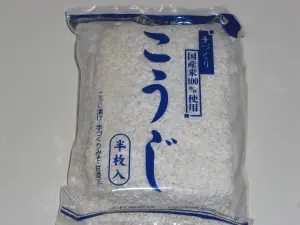
Hon mirin begins with steamed glutinous rice, rice kōji, and shōchū or another permitted alcohol. During maturation, amylolytic enzymes from the kōji turn rice starch into several sugars, while proteolytic and other enzymes generate amino acids, peptides, and aroma precursors. The mash is eventually pressed and clarified.
Producer choices include rice preparation, kōji, alcohol source, temperature, maturation time, filtration, blending, and ageing. Color may deepen as the product matures. These variables produce differences in sweetness and aroma that are obscured when mirin is treated as one standardized syrup.
Saccharification and fermentation
Although mirin is often placed within Japanese fermented-food culture, hon mirin's principal transformation is enzymatic saccharification and maturation in an alcoholic environment. Kōji supplies enzymes, but yeast does not conduct the main alcoholic fermentation of the mirin mash in the way it does for sake.
This boundary clarifies why Japanese fermentation is a family of processes rather than a single microbial technique. The shōchū or alcohol is already present when hon mirin is prepared, while the rice gradually releases sweetness, taste compounds, and aroma during ageing.
History from drink to seasoning
Mirin's exact origin remains debated. Early modern records show sweet alcoholic preparations consumed as drinks, including by people for whom stronger sake was less favored. Over time, cooks increasingly used mirin in seasoning and sauces.
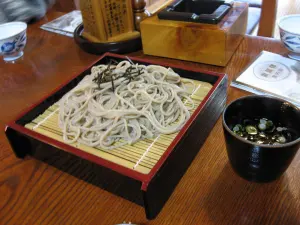
During the Edo period, mirin became important in urban preparations such as eel glaze and soba sauce. Industrial production, taxation, wartime conditions, postwar household adoption, and the appearance of lower-alcohol substitutes all shaped its modern place in the kitchen. It did not move from drink to seasoning in one abrupt national change.
Culinary functions
Mirin supplies a rounded sweetness made from several sugars rather than purified sucrose alone. Its alcohol and aroma compounds can affect how a sauce smells, while sugars and amino compounds contribute to browning and gloss during heating. It is used in nimono, teriyaki-style sauces, tare, rice dishes, and noodle seasonings.
Claims that mirin universally removes odor, prevents collapse, or penetrates ingredients should be treated as recipe-dependent rather than absolute rules. Heat, ingredient, timing, concentration, and the kind of mirin product all change the result. Mirin also complements soy sauce and dashi without being mandatory in every Japanese dish.
Types, labels, and substitutions
Hon mirin contains enough alcohol to be regulated as liquor in Japan. Mirin-style seasoning contains little alcohol and may use sugars and flavorings to reproduce sweetness quickly. Salted fermented seasoning retains alcohol for cooking but includes salt so that it is handled under a different product category.
The three can behave differently when simmered, reduced, or used without prolonged heating. Salted products require adjustment elsewhere in a recipe, and low-alcohol products do not contribute the same aroma. International labels and tax rules vary, so Japanese category names should not be assumed to have identical legal meanings abroad.
Storage and current use
Mirin is primarily a cooking seasoning today, but some producers maintain aged styles and tasting traditions that recall its history as a drink. Craft and mass-market products coexist, and production areas such as Mikawa and Nagareyama use local mirin history in regional identity.
Because alcohol content, salt, packaging, and pasteurization vary, storage directions are product-specific. Consumers should follow the bottle label, keep the cap and pouring surface clean, and observe local rules for purchasing alcoholic hon mirin. Cultural history is not a substitute for current product instructions.
Sources
- Japanese Society for Food and Dietary Culture, Mirin — Traditional and Innovative Aspects.
- Ministry of Agriculture, Forestry and Fisheries, Traditional Japanese Seasonings.
- Kikkoman Institute for International Food Culture, History of Mirin.
- Kikkoman Institute for International Food Culture, What Is Mirin and How Is It Made?.
- Kikkoman Institute for International Food Culture, Functions and Effects of Mirin.
Last updated: