Food Culture
Sake
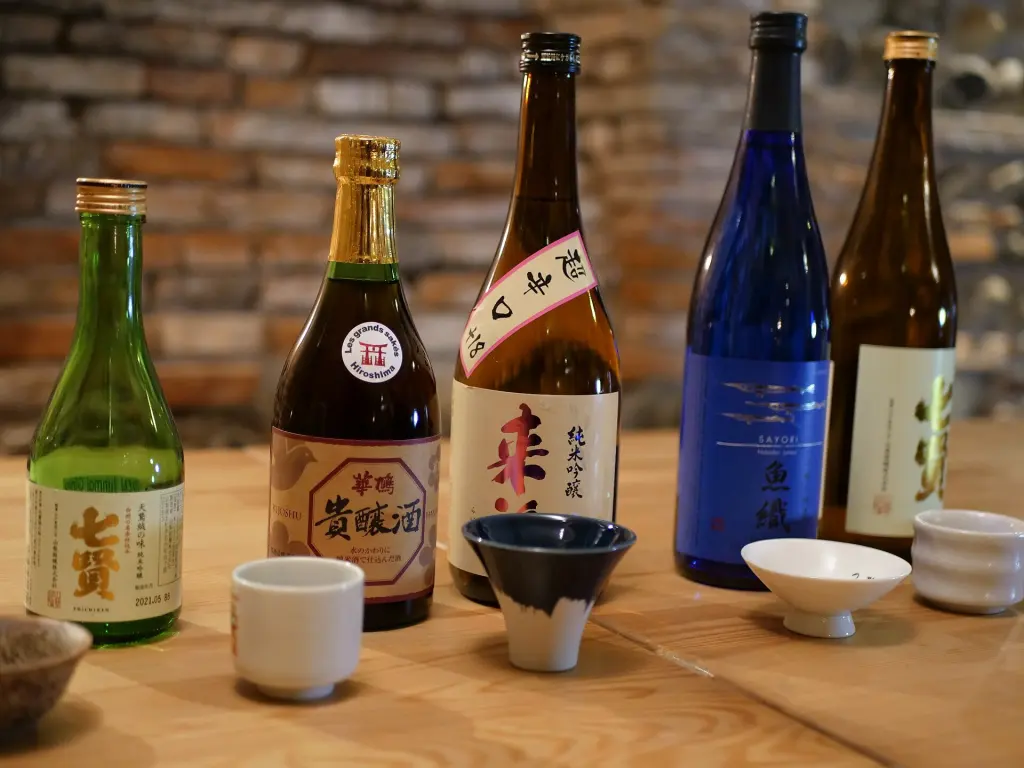
Image: Culture Japon / Wikimedia Commons · CC BY-SA 4.0
Sake is a Japanese alcoholic drink brewed mainly from polished rice, rice kōji, water, and yeast. In English, “sake” usually means Japanese rice-brewed seishu or nihonshu, although the Japanese word sake can refer to alcoholic drinks more generally. Kōji enzymes convert rice starch into sugars while yeast turns those sugars into alcohol, with both processes occurring together in the main mash. This multiple parallel fermentation distinguishes sake production from wine fermentation and from beer's separate malting and brewing stages. After fermentation, the mash is pressed, and the liquid may be filtered, pasteurized, matured, diluted, or bottled in different ways. Sake ranges from everyday futsū-shu to legally defined categories such as junmai, honjōzō, ginjō, and daiginjō, but labels and polishing ratios do not form a simple universal quality ladder.
Overview
| Japanese names | 酒; 日本酒; 清酒 |
|---|---|
| Common romanizations | Sake; nihonshu; seishu |
| Primary ingredients | Rice, rice kōji, water, and yeast; permitted brewer's alcohol in some styles |
| Core process | Multiple parallel fermentation |
| Typical production stages | Rice polishing, steaming, kōji making, starter, main mash, pressing, and finishing |
| Legal category in Japan | Seishu under the Liquor Tax Act |
Names and legal scope
Sake, written 酒, means alcoholic drink in broad Japanese usage. Nihonshu distinguishes Japanese sake from other alcohol, while seishu is the legal product category. English normally narrows “sake” to this rice-brewed drink, so context determines whether the word is generic or specific.
Japan's geographical indication Nihonshu is narrower than seishu: it requires production in Japan using Japanese-grown rice and rice kōji under the prescribed method. Sake is brewed rather than distilled and should not be described as rice vodka. It also differs from sweet cooking mirin and from distilled shōchū.
Rice, kōji, water, and yeast
Brewing begins with rice polishing, which removes outer portions containing higher levels of fats, proteins, and minerals. Sake-brewing cultivars such as Yamada Nishiki have properties valued by producers, but many table-rice and regional brewing varieties are also used. Water affects fermentation and dilution as well as regional brewery history.
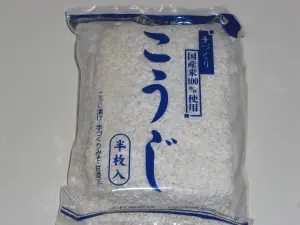
A portion of the steamed rice becomes rice kōji. Its enzymes release sugars and nutrients from the rice, while selected yeast produces alcohol and aroma compounds. The balance among rice preparation, kōji, yeast, water chemistry, and temperature matters more than any ingredient in isolation.
Brewing process
Polished rice is washed, soaked, and steamed. Kōji is cultivated on part of it, and a yeast starter called shubo or moto establishes a dense yeast population in an acidic environment. The main moromi mash is then built by adding steamed rice, kōji, and water in stages, commonly through the three-step method sandan-jikomi.
After several weeks of fermentation, pressing separates sake from solids called sake kasu. Producers may then settle, filter, adjust with water, pasteurize, mature, blend, and bottle the liquid. Nigori, namazake, genshu, koshu, and other labels describe particular finishing or ageing choices rather than one separate beverage.
Multiple parallel fermentation
Rice contains starch rather than the free sugars needed by yeast. In the moromi, kōji enzymes continually saccharify the rice while yeast simultaneously ferments the resulting sugars. This coordinated system is called multiple parallel fermentation.
The parallel process allows a relatively high alcohol concentration to develop in the mash, but it requires close management of temperature, acidity, enzyme activity, and yeast. It is not spontaneous rice decomposition, and it differs from simply mixing finished alcohol with rice flavoring.
Classifications and labels
Tokutei meishō-shu, or specially designated sake, includes junmai, honjōzō, ginjō, and daiginjō categories and their combinations. Junmai categories use rice, rice kōji, and water without added brewer's alcohol. Honjōzō and some ginjō categories permit a controlled addition of distilled alcohol. Ginjō and daiginjō also require specified polishing ratios and ginjō-style brewing.
Futsū-shu covers sake outside the specially designated system. Terms such as dry, sweet, sparkling, cloudy, unpasteurized, undiluted, aged, kimoto, or yamahai describe other dimensions. A daiginjō label does not guarantee that every drinker will prefer it, and the sake meter value alone does not determine perceived sweetness.
Serving, storage, and pairing
Sake may be served chilled, near room temperature, or warmed. Temperature can change the perception of aroma, sweetness, acidity, umami, and alcohol. Tokkuri flasks, ochoko cups, sakazuki, glassware, and wine glasses all appear in different settings; no single vessel is required for all styles.
Light, heat, oxygen, and time alter sake after bottling. Most bottles benefit from cool, dark storage, while namazake generally requires refrigeration. Pairing extends beyond Japanese food, but local cuisines and seasonal service remain important contexts. Responsible serving is part of cultural interpretation, not an optional footnote.
Ritual, regions, and heritage
Sake appears in Shinto offerings, festivals, weddings, New Year observances, business ceremonies, and communal celebrations. Kagami-biraki can refer to opening a ceremonial sake cask as well as to the separate New Year custom of opening kagami mochi. Ritual use does not mean that all sake is sacred or that drinking is required.
Brewing regions developed around water, rice supply, climate, transport, guilds, taxation, and technical exchange. Nada, Fushimi, Saijō, and many smaller areas have distinct histories, while modern geographical indications formalize some regional names. UNESCO's 2024 inscription recognizes traditional knowledge and skills of sake-making with kōji mold in Japan, including transmission by brewers across generations.
Sources
- National Research Institute of Brewing, What Is Sake?.
- National Tax Agency, Product Specification of Geographical Indication Nihonshu.
- National Tax Agency, Components and Categories of Japanese Sake.
- UNESCO, Traditional Knowledge and Skills of Sake-making with Koji Mold in Japan.
- National Research Institute of Brewing, A Comprehensive Guide to Japanese Sake.
Last updated: