Social Customs
Ofuro
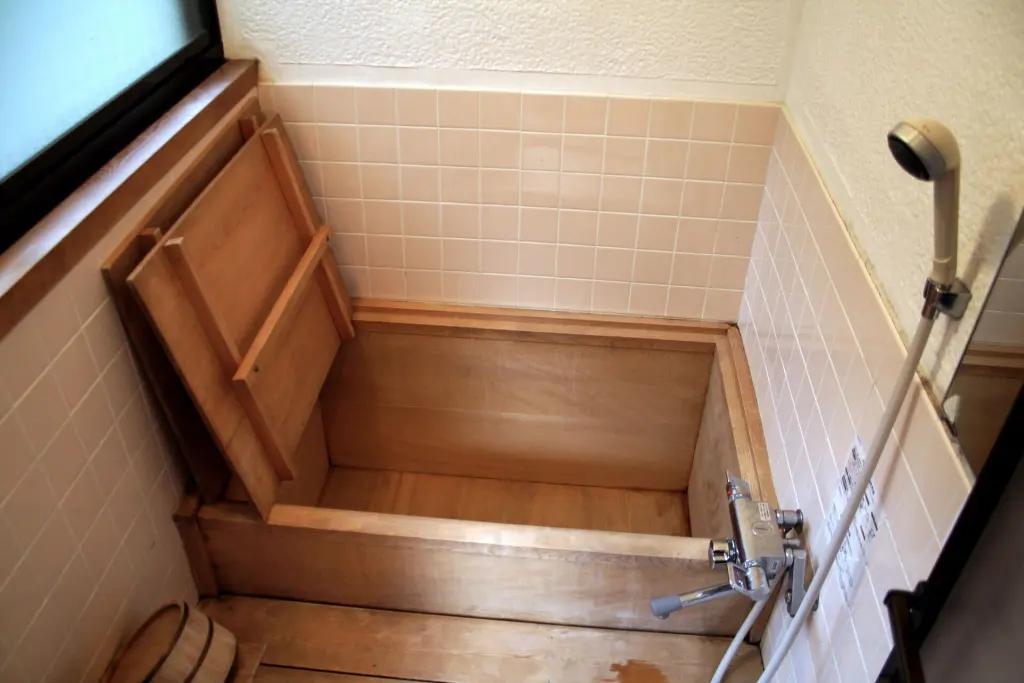
Image: BradBeattie / Wikimedia Commons · Creative Commons Attribution-ShareAlike 3.0 Unported
Ofuro (お風呂) is the polite everyday term for a bath in Japanese. Depending on context, it can mean the tub, the bathroom, prepared bathwater, or the act and routine of bathing. In a common modern home layout, a waterproof room contains a washing area and a comparatively deep tub. The bather washes and rinses outside the tub, then enters clean hot water to soak. Because the water is not used for washing, household members may use the same prepared bath in sequence, sometimes reheating it with a control system. This arrangement is widespread but not universal: housing size, age, disability, family preference, climate, and technology create many variations. Ofuro is not necessarily a hot spring and should not be treated as a synonym for onsen.
Overview
| Japanese name | お風呂 |
|---|---|
| Romanization | Ofuro |
| Classification | Bath, bathing room, and domestic bathing routine |
| Typical layout | Washing area beside a deep tub |
| Common sequence | Wash and rinse first, then soak |
| Water source | Usually heated household water, not necessarily onsen water |
Word and usage
Furo is the core noun, while the honorific prefix o- produces the familiar ofuro. Someone may say that the bath is ready, that they are going to take a bath, or that a room has an ofuro. Translation therefore depends on context. Calling every Japanese tub an ofuro is understandable, but the word describes more than one fixed object or style.
From steam bath to tub
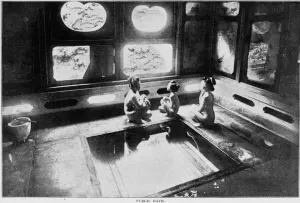
Historical furo often referred to steam-bath arrangements rather than the full tubs imagined today. Public and domestic bathing gradually incorporated tubs of heated water, with forms changing across period and region. Wooden tubs, heated iron cauldrons, tiled baths, and modern prefabricated bathroom units belong to different technological histories rather than one unchanged national design.
The modern bathroom
The bathroom belongs to a wider history of changing domestic zones in the Japanese house, including the separation of washing, soaking, changing, and toilet functions.
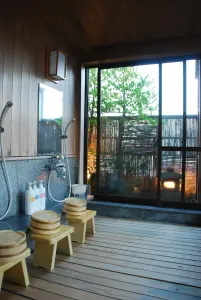
A common home bathroom is a sealed wet room containing a tub, floor drain, taps, and a hand shower. The bather can sit on a low stool while washing. The toilet is often in a separate room, especially in purpose-built housing. Modern units may automate filling, temperature, reheating, and communication between the bath and kitchen control panels.
Washing and soaking
The practical distinction between washing and soaking organises the routine. Soap and shampoo are used in the washing area, and the body is thoroughly rinsed before entering the tub. The clean bathwater is then for warmth and relaxation. In a household that shares one filling, bathers normally avoid draining or contaminating it until everyone has finished.
Household routines
Families decide bathing order, temperature, timing, assistance for children or older adults, and whether to share the same water. There is no universal order based on status or gender. Some people shower without soaking; others use a public bath, a gym, or a compact unit bath. Treating the shared evening bath as mandatory would turn a common pattern into a stereotype.
Materials and seasonal bathing
Traditional tubs may be made from woods such as hinoki, valued for scent and feel, while contemporary tubs commonly use synthetic materials, stainless steel, or enamel. Seasonal customs can add plants or fruit to the water, including yuzu around the winter solstice. Such practices vary by household and facility and do not change the basic distinction between washing and soaking.
Ofuro, sento, and onsen
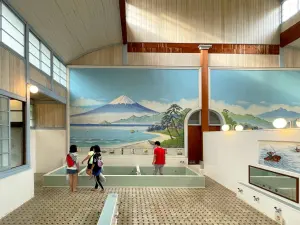
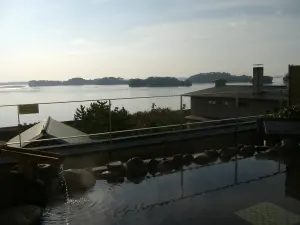
Ofuro names the bath or bathing routine, sento names a public bathhouse, and onsen names a qualifying hot spring and facilities using it. An inn can call its bath an ofuro while also using onsen water; a household ofuro normally uses heated tap water. The setting and source should therefore be described separately.
Safety and accessibility
Deep tubs, wet floors, and hot water can create risks of falls, burns, dehydration, and sudden blood-pressure changes. Handrails, bath chairs, gradual temperature changes, supervision for young children, and help for people with limited mobility can reduce risk. Household members should prioritise medical advice and safe access over performing an idealised routine.
Sources
- Tokyo Sento Association, History of Sento.
- Kokugakuin University, How Did the Japanese Come to Love Their Baths?.
- Japan National Tourism Organization, Enjoy Bath Culture in Japan.
- Watanabe et al., Physical and Mental Effects of Bathing: A Randomized Intervention Study.
- Japan National Tourism Organization, How to Best Enjoy Onsen.
- GO TOKYO, Japanese Bathing Culture: A Guide to Sento.
- Tokyo Sento Association, About Sento.
- Japan National Tourism Organization, Onsen, Tattoos and Etiquette.
- Tokyo Metropolitan Government, Sento: Tradition and Innovation in Tokyo's Public Baths.
Last updated: