Social Customs
Omotenashi
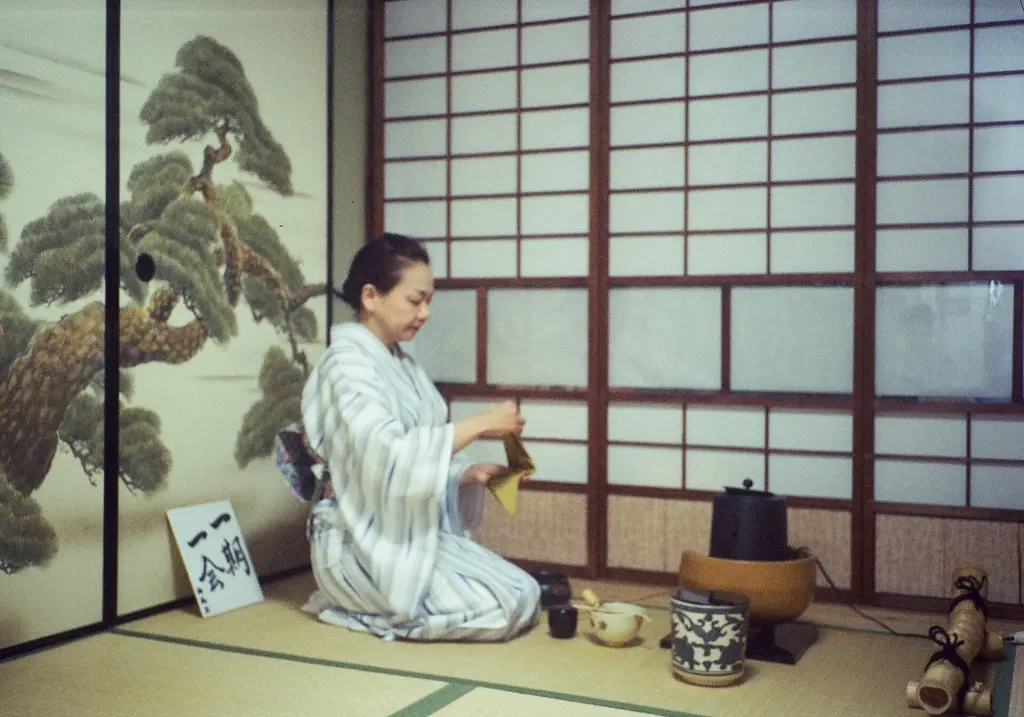
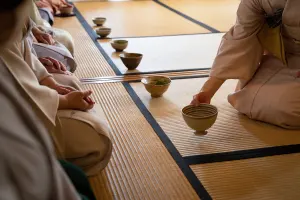
Image: Atticus nguyen / Wikimedia Commons · Creative Commons Attribution-ShareAlike 4.0
Omotenashi (おもてなし) is a Japanese term for receiving, entertaining, and caring for guests. It can describe preparation that anticipates needs, attention to season and setting, and service that does not foreground a direct return. Japanese Tea Ceremony is often presented as an influential model because host and guest coordinate a carefully prepared encounter, but hospitality in homes, inns, restaurants, shops, transport, events, and tourism takes many forms. The term became especially visible in branding around international tourism and the Tokyo 2020 Olympic bid, which sometimes turned a complex relationship into a national slogan. Omotenashi should therefore be distinguished from a claim that all service in Japan is selfless or uniquely excellent. It involves labour, training, cost, power, accessibility, and expectations on both host and guest.
Overview
| Japanese spelling | おもてなし |
|---|---|
| Romanization | Omotenashi |
| Basic meaning | Receiving, entertaining, and caring for guests |
| Common settings | Homes, tea practice, inns, restaurants, retail, events, and tourism |
| Frequently cited principle | Anticipatory attention to the guest and occasion |
| Modern public role | Hospitality training and national tourism branding |
Word and range
The verb motenasu concerns treating or entertaining a guest, and the respectful prefix produces omotenashi. Popular explanations sometimes derive the word from “without front or back,” but etymological slogans should not replace documented usage. The term covers attitudes, actions, and staged service in varied contexts.
Host and guest
Hospitality is relational. The host prepares space, timing, food, information, and assistance; the guest responds through punctuality, appreciation, and attention to the setting. Good care adapts to an actual person rather than performing a checklist regardless of preference.
Tea practice
In chanoyu, utensils, flowers, food, temperature, and sequence are selected for a particular gathering. The often-cited idea of ichigo ichie emphasises the unrepeatable meeting. Tea provides a powerful model, but commercial hospitality did not arise from one source alone.
Service and work
Hotels, ryokan, restaurants, shops, railways, and airlines train staff in observation, language, posture, and recovery from problems. These practices are skilled labour. Describing them only as an effortless cultural spirit can hide staffing, emotional work, wages, and organisational design.
Anticipation and discretion
Anticipating a need can reduce friction: clear directions, seasonal preparation, accessible tools, or timely refilling may help without requiring a request. Anticipation can also misfire when it assumes preferences. Asking, offering choices, and respecting refusal are compatible with attentive hospitality.
Tourism and branding
Visitor-facing infrastructure can also be framed through service ideals. JR East’s Suica products for overseas travellers reduce some ticketing and language friction, but their device, validity, and refund conditions remain operational rules rather than evidence of uniform national hospitality.
Ryokan and onsen tourism often frame prepared rooms, meals, bathing spaces, and unobtrusive service through omotenashi, although hospitality standards and bath policies vary by establishment.
Government, business, and media have promoted omotenashi as a distinctive Japanese value. The phrase helps communicate service aspirations but may create unrealistic expectations or imply national uniformity. Visitors encounter excellent, ordinary, and poor service as in any society, shaped by institution and circumstance.
Limits and criticism
Hospitality can reinforce unequal roles when the guest's comfort overrides worker wellbeing, or when unwritten expectations exclude people unfamiliar with them. Accessibility, language support, dietary needs, privacy, and labour conditions provide concrete tests. Omotenashi is most useful as a practice open to evaluation, not automatic praise.
Sources
Last updated: