
Karate
Seisan
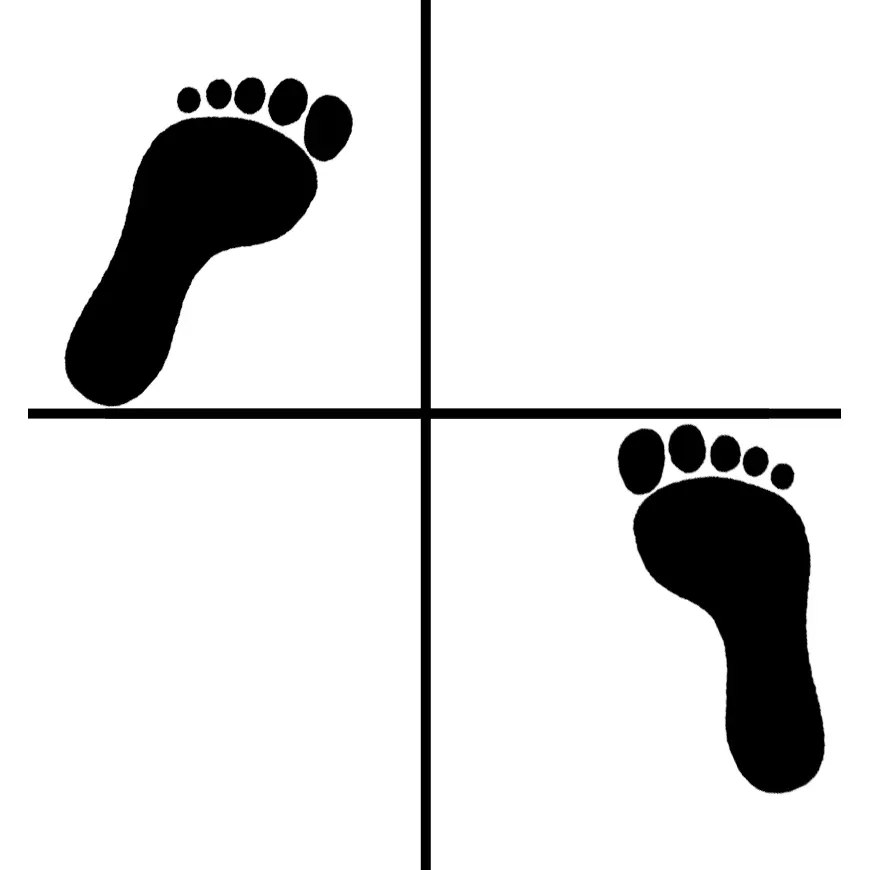
Image: Ben Bathen / Wikimedia Commons · CC0 1.0
Seisan is a Karate kata name shared across several Okinawan and Japanese traditions. Spellings and pronunciations include Sēsan and Seishan, while Shotokan preserves related material as Hangetsu. These links do not make every sequence identical. The All Japan Karatedo Federation writes 十三手 for its Gōjū-ryū Seisan and classifies that version as a second designated kata; its Wadō-ryū reference separately treats Seishan as a first designated kata. Current Okinawa tournament rules also list Sesan or Seisan independently in Shuri/Tomari and Uechi-ryū categories. This article therefore compares named versions and institutional evidence without assigning one movement count, stance, meaning or application to the whole family.
JKF official kata videos
Official reference
Use these federation reference films to compare named versions. Each video documents one JKF-published model for the named tradition; it does not define every dōjō or lineage.
Gōjū-ryū剛柔流
Seisan
Dai-ni Shitei Kata #5
Wadō-ryū和道流
Seishan
Dai-ichi Shitei Kata #4
Name-family note: JKF labels this Wadō-ryū form Seishan. It belongs to the name family discussed here, but should not be treated as identical to Gōjū-ryū Seisan.
JKF framework
Where this kata sits
Official competition placement and broader guide context are shown separately.Official JKF position
Second designated kata
- Gōjū
The dated JKF amendment places Seisan (十三手) in the Gōjū-ryū second designated pair. Wadō-ryū Seishan is a separately named first designated form.
Guide context
Seisan / Seishan
- Gōjū
- Wadō
- Uechi
- Shōtōkan
Uechi-ryū Sesan and Shōtōkan-ryū Hangetsu are broader lineage or name-family comparisons, not extra columns in the JKF four-style matrix.
Overview
| Common romanisations | Seisan, Sēsan, Seishan, Sesan |
|---|---|
| JKF Gōjū-ryū writing | 十三手 |
| Common reading | セーサン; pronunciation varies by tradition |
| Classification | Karate kata name family |
| Major associations | Gōjū-ryū, Uechi-ryū, Wadō-ryū and Shuri/Tomari lines |
| Related Shotokan name | Hangetsu |
| JKF contexts | Gōjū-ryū second designated kata; Wadō-ryū Seishan first designated kata |
| Important boundary | Named versions are not one universal sequence |
Name and scope
Seisan appears under several romanisations because pronunciation and transmission differ among schools. The JKF writes 十三手 for its Gōjū-ryū Seisan, but that institutional spelling should not be imposed on every lineage using the name.
Explanations such as “thirteen hands” are conventional readings of those characters, not secure proof of the kata's original title or a universal count of thirteen techniques. Exact etymology should remain separate from later teaching interpretations.
Distribution in Okinawan traditions
Seisan material is found in more than one Okinawan stream. The Okinawa Karate Information Center lists Sēsan in its Shuri/Tomari, Naha and Uechi-ryū groupings, showing that the shared name crosses modern category boundaries.
Those lists are orientation tools, not a family tree. Similar names and selected technical motifs do not by themselves establish a single unchanged source for every surviving version.
Gōjū-ryū Seisan in the JKF context
The JKF describes Seisan as a representative Gōjū-ryū second designated kata combining hard and soft, static and dynamic action. Its summary mentions forceful strikes and kicks, quick sliding movement and seizing actions.
“Designated kata” is a federation category. The description is useful for the JKF Gōjū-ryū version but does not define the count, rhythm or technical detail of every Gōjū-ryū organisation.
Uechi-ryū Sesan
Uechi-ryū transmits a distinct Sesan within a curriculum also centred on Sanchin. Its hand forms, stepping, conditioning culture and sequence should be learned as Uechi-ryū material rather than inferred from a Gōjū-ryū guide.
The 2026 Okinawa tournament lists Uechi-ryū Sesan separately from the Shuri/Tomari entry and restricts it to older competition groups in that event. This is dated eligibility evidence, not a universal teaching age.
Seishan and Hangetsu
The JKF describes Wadō-ryū Seishan as a first designated kata and notes relationships with Naha Seisan and Shotokan Hangetsu. Wadō uses the name Seishan-dachi for a characteristic stance, while Shotokan uses Hangetsu-dachi in its related form.
These labels document related transmission and later organisation. They do not justify using a Wadō stance diagram as a complete map of Gōjū-ryū Seisan or treating modern Hangetsu as identical to every Seisan.
How to compare technique
A responsible comparison begins by naming the school, teacher or federation. Stance length, foot angle, breathing, muscular engagement, hand shape, stepping and tempo can then be compared without declaring one version incorrect by another version's rules.
Bunkai adds another layer. Similar solo movements may support different partner drills, and a plausible application does not prove a single historical origin.
What exercise research can show
A 1993 study measured four male Chitō-ryū black belts performing repeated Seisan for ten minutes at two rates. It reported substantial cardiovascular demand under that specific protocol.
The sample was very small and the performance was Chitō-ryū Seisan repeated continuously, not ordinary practice of all Seisan versions. The study does not establish a universal health effect, ideal pace or safe prescription.
How to study it safely
Choose a clearly identified version and learn its sequence, breathing and stance from a qualified instructor. Do not combine tension, breathing or partner checking from unrelated lineages simply because the kata names resemble one another.
Use adequate floor space and increase speed or force gradually. Partner applications need agreed targets, resistance and contact; stop if breathing practice or repeated performance produces dizziness, chest pain or sharp joint pain.
Sources
- All Japan Karatedo Federation, Seisan.
- All Japan Karatedo Federation, Seishan.
- 3rd Okinawa Karate World Tournament 2026, Competition Rules and Regulations.
- Okinawa Karate Information Center, Kata of Okinawa karate and kobudo.
- Zehr and Sale, Oxygen uptake, heart rate and blood lactate responses to the Chito-ryu Seisan kata.
Last updated:

.jpg)