Historical Figures
Katsu Kaishū

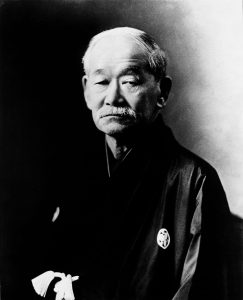
Image: Unknown photographer / Wikimedia Commons · Public domain in Japan and the United States
Katsu Kaishū (1823–1899), born Katsu Rintarō and formally named Katsu Yasuyoshi, was a Tokugawa naval official, negotiator, and Meiji statesman. He studied Dutch and Western military science, trained at the Nagasaki Naval Training Center, crossed the Pacific aboard the Kanrin Maru in 1860, and later directed a naval school at Kobe. In 1868 his negotiations with Saigō Takamori helped secure the surrender of Edo Castle without a destructive battle. Katsu also trained in Jikishinkage-ryū swordsmanship, but his historical importance lies principally in naval education, political mediation, and the preservation of firsthand records. His career forms part of the transition that created the institutions in which later modernizers such as Jigoro Kano worked; it should not be reduced to either a swordsman’s legend or a single meeting in 1868.
Overview
| Japanese name | 勝 海舟 |
|---|---|
| Formal name | Katsu Yasuyoshi (勝 安芳) |
| Common name | Rintarō (麟太郎) |
| Born | 12 March 1823, Edo, Japan |
| Died | 19 January 1899, Tokyo, Japan |
| Occupation | Naval official, negotiator, and statesman |
| Known for | Kanrin Maru voyage; Kobe naval school; peaceful surrender of Edo Castle |
Names and background
Katsu was born in Edo as Rintarō, the son of a Tokugawa shogunate retainer. His adult formal name was Yasuyoshi, while Kaishū was the literary name by which he became widely known. Distinguishing these names is important because archival catalogues and contemporary documents may index him under different forms.
He belonged to the hereditary warrior administration, yet his career developed at the point when knowledge of foreign languages, navigation, artillery, and diplomacy had become urgent questions for the shogunate.
Swordsmanship and Dutch studies
Before becoming known for naval affairs, Katsu trained in Jikishinkage-ryū kenjutsu under Shimada Toranosuke and received full initiation in the tradition. His martial education belonged to the culture of late Tokugawa retainers, but it did not define the limits of his interests.
He pursued Dutch studies and Western military science, fields known collectively as rangaku. The combination of warrior training and technical study illustrates a period in which officials sought new knowledge while still working within Tokugawa institutions.
Naval training and the Kanrin Maru
Katsu studied at the Nagasaki Naval Training Center, an institution established by the shogunate with Dutch assistance. The program trained Japanese officials in navigation, engineering, gunnery, and the operation of Western-style ships.
In 1860 he crossed the Pacific aboard the Kanrin Maru as part of the first Japanese embassy mission to the United States. The voyage demonstrated that Japanese sailors could operate a modern steam warship across the ocean and gave participants direct experience of American society and naval practice.
The Kobe naval school
After serving in senior naval offices, Katsu opened the Kobe Naval Operations Training School in 1864. The school brought together students from different domains and treated naval knowledge as a national problem rather than the private possession of one domain.
Sakamoto Ryōma was among the people associated with Katsu’s circle. The school’s life was short, but its cross-domain network anticipated political and maritime projects that would continue beyond the shogunate.
The surrender of Edo Castle
During the Boshin War in 1868, Katsu represented the former shogunate in negotiations with Saigō Takamori of the imperial forces. Their agreement enabled Edo Castle to be surrendered without a major battle inside the city.
The outcome spared a densely populated urban center from the immediate destruction expected from an assault. It resulted from military circumstances and negotiations involving several actors, so the phrase “bloodless surrender” should describe the transfer of the castle rather than imply that the wider civil war was bloodless.
Service in the Meiji government
Although he had served the Tokugawa house, Katsu later held senior offices under the Meiji government, including naval and advisory posts. His employment reflected the new government’s need for experienced administrators and technical knowledge.
Katsu’s position differed from that of later cultural reformers such as Kano or martial teachers such as Takeda Sōkaku. Their lives nevertheless show different responses to the same transformation: one worked through government and naval institutions, while others reorganized education or inherited martial practice.
Writings and archives
Katsu left diaries, letters, memoranda, recollections, and collected materials. The National Diet Library preserves hundreds of items connected with him, including documents on naval affairs and the political transition from Tokugawa to Meiji rule.
These records are especially valuable because Katsu lived long enough to comment retrospectively on events in which he had participated. Retrospective testimony remains evidence that must be compared with contemporary documents rather than treated as an exact transcript of earlier conversations.
Legacy and commemoration
Katsu is remembered as an advocate of naval modernization and as a mediator in the transfer of Edo. His former papers support continuing research into diplomacy, technology, political networks, and the experiences of Tokugawa officials after 1868.
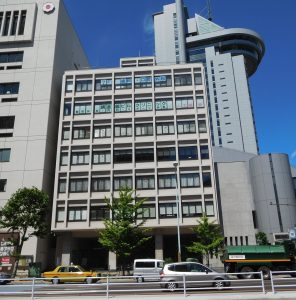
The Ota City Katsu Kaishū Memorial Museum occupies the former Seimei Bunko building near the site of his villa at Senzokuike. It presents his achievements, thought, and relationship with the area while preserving the history of the collection formed after his death.
Timeline
- 1823 — Born in Edo as Katsu Rintarō.
- 1850s — Studied Western military science and trained at the Nagasaki Naval Training Center.
- 1860 — Crossed the Pacific aboard the Kanrin Maru.
- 1864 — Opened the Kobe Naval Operations Training School.
- 1868 — Negotiated the surrender of Edo Castle with Saigō Takamori.
- 1870s–1880s — Held senior posts in the Meiji government.
- 1899 — Died in Tokyo.
Sources
- National Diet Library, Portraits of Modern Japanese Historical Figures: Katsu Kaishū.
- National Diet Library, Katsu Kaishū Papers.
- National Diet Library, Ex-libris collection: Katsu Kaishū.
- Ota City, Katsu Kaishū Memorial Museum.
- Kyushu Institute of Technology repository, swordsmanship and Bakumatsu figures.
Last updated: