
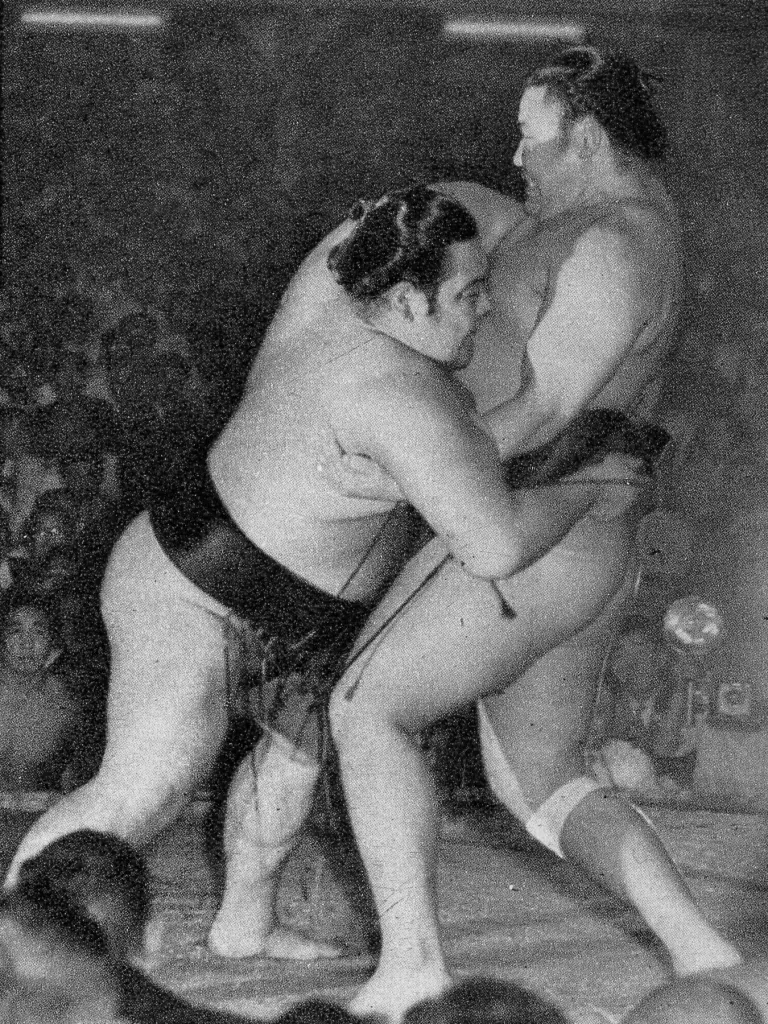
Kimarite
The officially recorded winning techniques and non-technique outcomes used to describe how professional sumo bouts are decided.
The officially recorded winning techniques and non-technique outcomes used to describe how professional sumo bouts are decided.
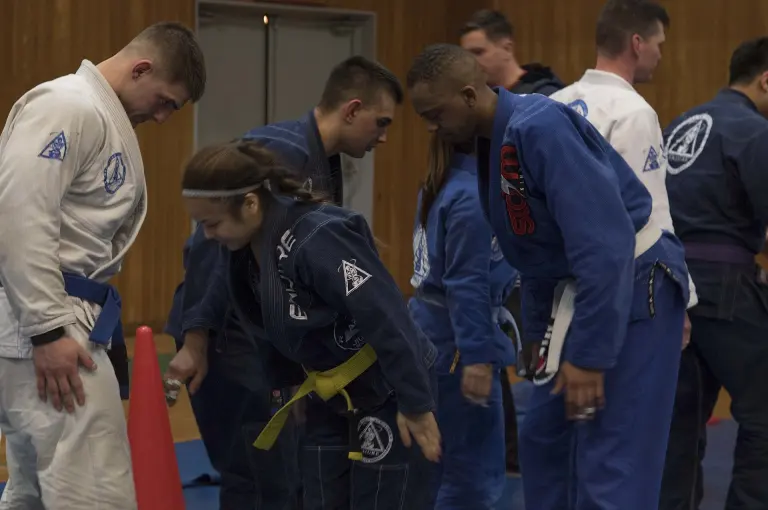
Dōjō etiquette is the art- and school-specific conduct governing bows, safety, cleanliness, attention and respect in Japanese martial arts practice.
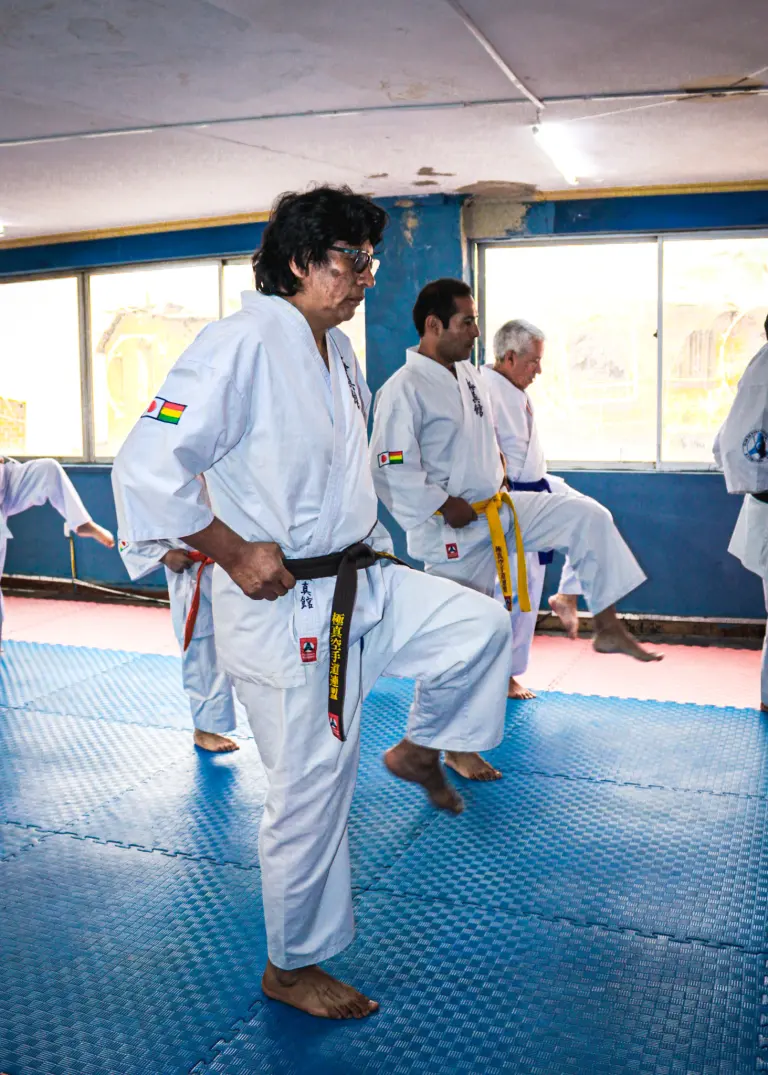
Kihon means the fundamentals of Karate, including stance, posture, movement, receiving actions, thrusts, strikes and kicks, with substantial variation among styles.
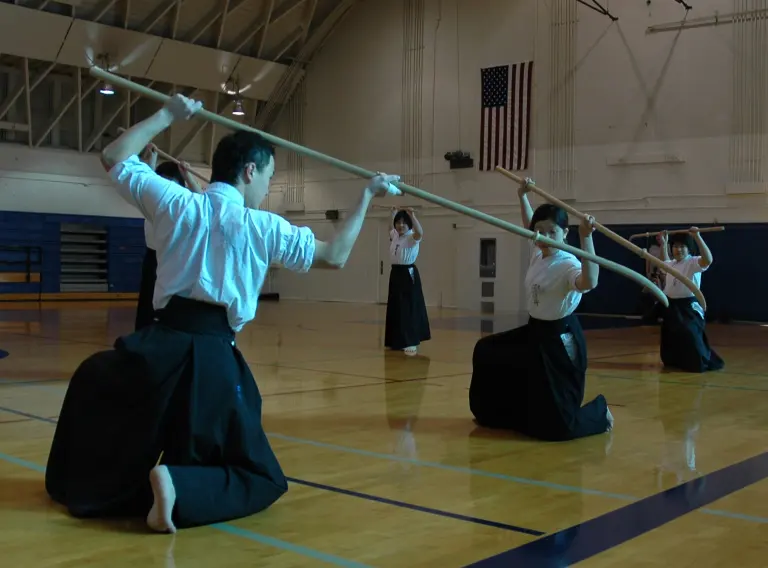
Naginata is both a curved-bladed Japanese pole weapon and a modern budo practised through protective-equipment matches, forms, grading, and demonstration.
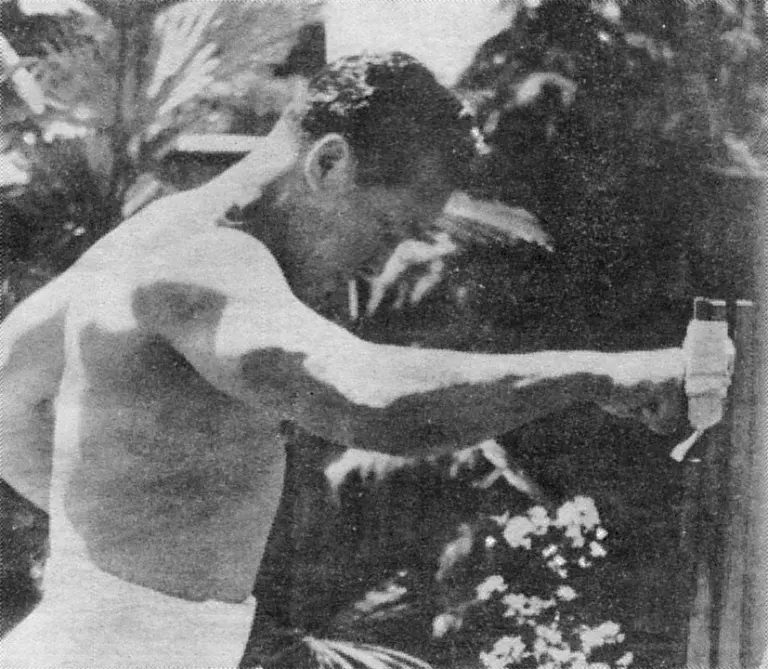
Kyokushin is a full-contact karate tradition founded by Masutatsu Ōyama, known for knockdown competition, demanding conditioning, kata, and an international network of successor organisations.
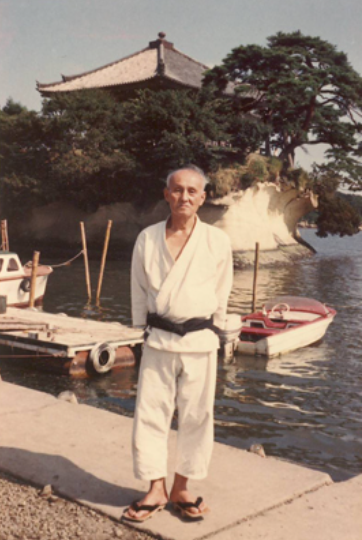
Wadō-ryū is a Japanese karate tradition founded by Hironori Ōtsuka, integrating Okinawan karate with principles from Shindō Yōshin-ryū jujutsu and Japanese budō.
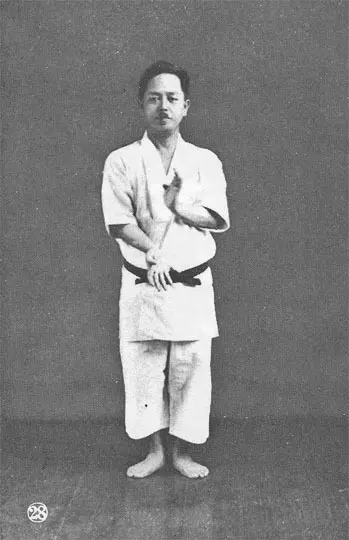
Shitō-ryū is a major karate tradition founded by Kenwa Mabuni, preserving extensive kata associated with the teachings of Ankō Itosu and Kanryō Higaonna.
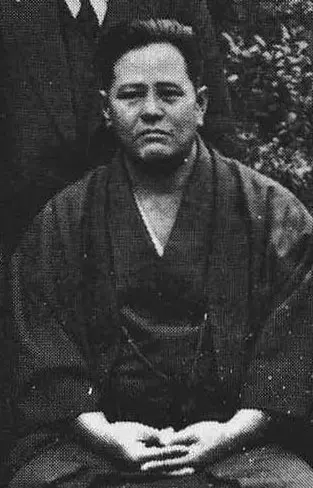
Gōjū-ryū is an Okinawan karate tradition founded by Chōjun Miyagi, combining forceful and yielding methods with kata, breathing, conditioning, and partner practice.
Shotokan is a major karate tradition shaped by Gichin Funakoshi’s teaching and later developed through university clubs and the Japan Karate Association.
Katsu Kaishū was a Tokugawa naval official and Meiji statesman central to Japan’s naval modernization and the peaceful surrender of Edo Castle.