Historic Cities
Kanazawa
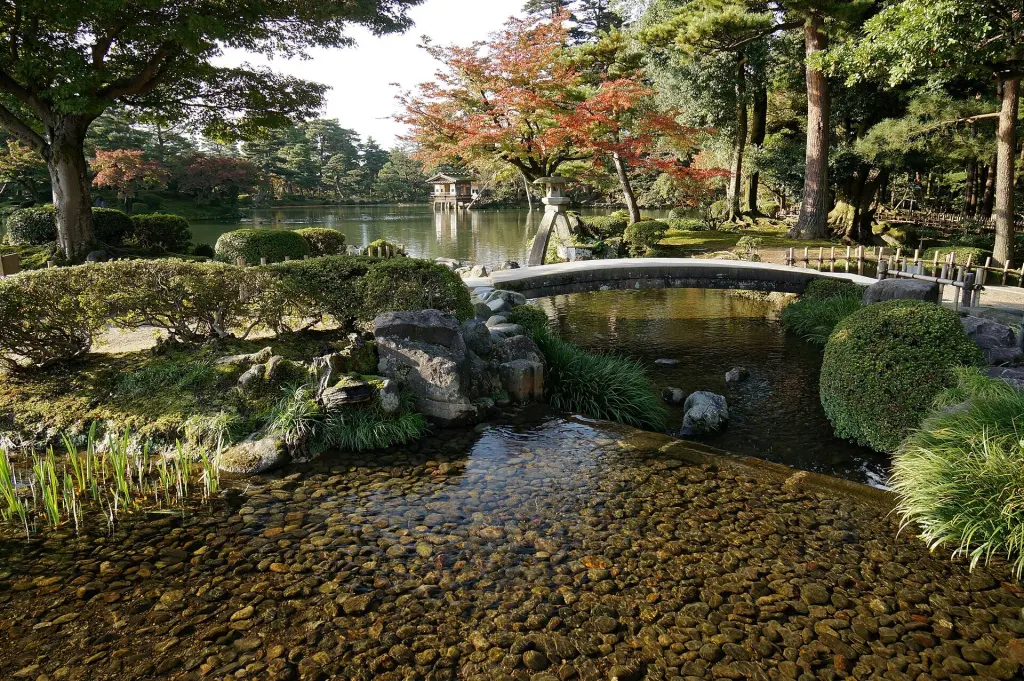
Image: 663highland / Wikimedia Commons · CC BY 2.5
Kanazawa is the capital of Ishikawa Prefecture on the Sea of Japan side of central Honshu. It developed around Kanazawa Castle after Maeda Toshiie entered the site in 1583 and became the political and cultural center of the wealthy Kaga domain. Maeda patronage supported Noh, tea culture, scholarship, architecture, gardens, textiles, lacquer, ceramics, metalwork, and gold leaf, while merchants and artisans sustained these practices beyond the warrior elite. The modern city retains parts of its castle-town structure, including former samurai, temple, and chaya districts, but it is not an unchanged Edo settlement. Reconstruction, conservation, new museums, universities, and contemporary design all shape its identity. Kanazawa joined UNESCO’s Creative Cities Network in 2009 in the field of Crafts and Folk Art.
Overview
| Japanese name | 金沢市 |
|---|---|
| Romanization | Kanazawa-shi |
| Prefecture | Ishikawa Prefecture |
| Region | Hokuriku |
| Castle-town formation | Maeda Toshiie entered Kanazawa Castle in 1583 |
| UNESCO network | Creative City of Crafts and Folk Art since 2009 |
Name and geography
Kanazawa lies between the Sea of Japan coast and the mountains of the Hokuriku region. The castle town developed across terraces between the Sai and Asano rivers, using slopes, waterways, bridges, and curved streets as part of its urban organization.
The name is written with characters meaning “gold” and “marsh,” and a local legend connects it with gold dust. The modern city is the prefectural capital and regional transport center, extending well beyond the preserved districts most familiar to visitors.
Kaga domain and Maeda rule
Maeda Toshiie took control of Kanazawa Castle in 1583. Under the Maeda family, Kanazawa became the seat of Kaga domain, whose agricultural resources and political importance made it one of the most powerful domains under the Tokugawa shogunate.
The castle stood at the center of districts organized for senior and lower-ranking retainers, merchants, artisans, temples, and entertainment. Fire repeatedly altered buildings, and the surviving and reconstructed castle landscape represents several historical phases rather than one original moment.
Castle town and preserved districts
Comparison with Matsue shows different preservation patterns: Kanazawa retains multiple historic districts around a reconstructed castle complex, while Matsue’s original wooden keep, moat system, and former samurai area anchor its readable castle-town plan.
Kanazawa is a major example of a jōkamachi, an urban center organized around a lord’s castle and domain government. Its surviving street, waterway, garden, temple, and residential layers represent one regional form of this diverse urban type.
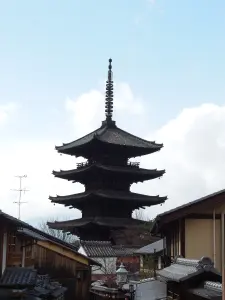
Nagamachi preserves the spatial memory of a samurai residential quarter, while Higashi Chaya, Kazuemachi, and Nishi Chaya reflect licensed entertainment and performance districts. Teramachi and Utatsuyama contain concentrations of temples linked to the castle town’s planning and defense.
Preservation designations protect groups of buildings and streetscapes, but residents, businesses, and religious institutions continue to use them. Modern restoration and tourism presentation can make districts look more uniform than their varied histories actually were.
Kenrokuen and landscape design
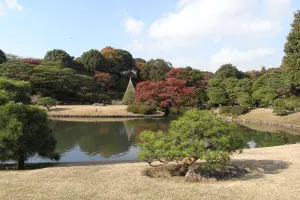
Kenrokuen developed beside Kanazawa Castle under successive Maeda lords. Ponds, streams, borrowed views, tea houses, bridges, lanterns, and seasonal planting create a strolling landscape whose present form emerged gradually rather than from a single design campaign.
The garden is an important example within the broader history of Japanese gardens. Its famous winter rope supports, or yukitsuri, respond to heavy snow while also becoming a visual emblem of the city’s seasonal culture.
Craft and performing arts
Kanazawa’s craft fields include gold leaf, Kaga yūzen dyeing, lacquer, metalwork, ceramics, embroidery, and Buddhist altar production. These industries developed through patronage, regional materials, specialist labor, market demand, and exchange with Kyoto and Edo.
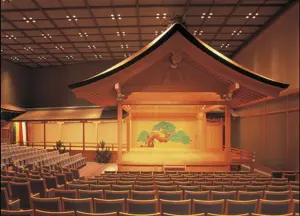
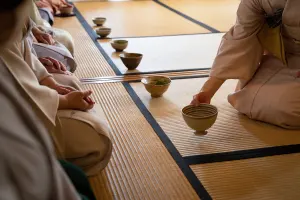
Tea practice and Noh also spread beyond the ruling household. Kaga Hōshō became a distinctive local Noh tradition. UNESCO’s Creative City designation recognizes an active craft ecology, not simply a collection of old objects.
Modernization and cultural institutions
After the abolition of the domains, Kanazawa lost its role as a feudal capital. Craft communities, merchants, schools, collectors, and public institutions adapted older skills to new markets and helped preserve local cultural knowledge.
The city now places historical collections beside contemporary institutions such as the 21st Century Museum of Contemporary Art and the Kanazawa Citizens’ Art Center. This combination complicates the common image of Kanazawa as a city preserved outside modern history.
Visiting and reading the city
Kanazawa Station is the principal rail gateway. The central sights form a broad circuit around the castle and Kenrokuen, connected by buses and walkable districts, while weather, slopes, snow, and crowded seasonal periods affect movement.
Workshops, chaya buildings, gardens, museums, and religious sites have different access conditions. Visitors should distinguish demonstrations designed for tourism from ongoing apprenticeship, commercial production, performance, and community practice.
Sources
Last updated: