Games
JRPG
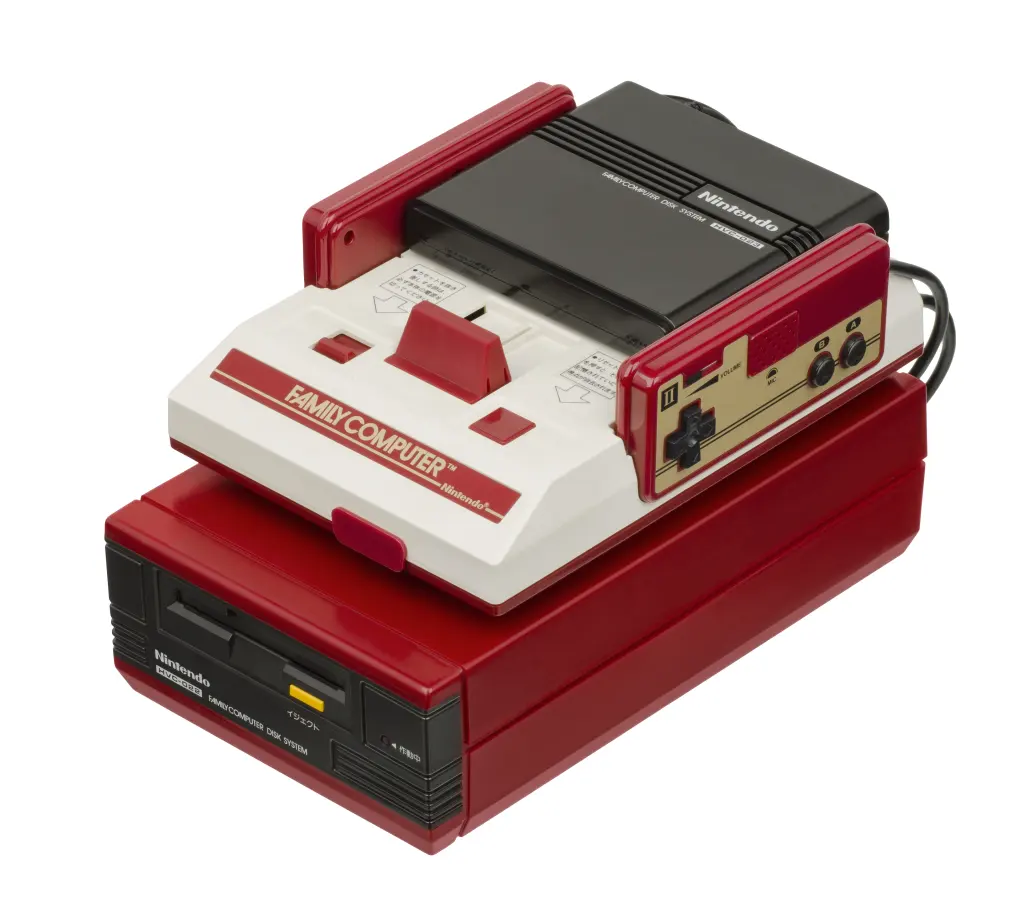
Image: Evan-Amos / Wikimedia Commons · Public domain
Overview
A world to explore. A party to develop.
JRPG is an abbreviation of Japanese role-playing game, used for games associated with Japan’s RPG development traditions and, in some contexts, games made elsewhere that draw on them. It is a flexible critical and commercial label rather than a universally agreed technical category. Stories, character development, exploration and the management of abilities or equipment often work together, but no single combat system defines the field. Dragon Quest and Final Fantasy helped establish influential console models in the 1980s; later games developed many different approaches. Understanding a particular JRPG therefore requires attention to its mechanics, creative history and intended audience, as well as the country in which it was made.
Story and exploration give the journey its setting.
Abilities and relationships develop through play.
Combat and progression determine how choices work.
At a glance
- Expanded name
- Japanese role-playing game
- Japanese usage
- JRPG; ロールプレイングゲーム (role-playing game)
- Influential console releases
- Dragon Quest (1986); Final Fantasy (1987)
- Common systems
- Character growth, exploration, combat and resource management
- Combat
- Turn-based, real-time or hybrid systems
- Boundary
- A contested genre label, not a formal nationality test
01
A design tradition with flexible boundaries
The label can describe production history or a recognisable design lineage. These uses overlap without being identical. Square Enix itself has used “Japanese-style role-playing game” when explaining the abbreviation. A more precise description names the game’s systems rather than treating the label as a checklist. Square Enix, 2016 shareholder review discusses I Am Setsuna in this context.
02
From computer RPGs to console adventures
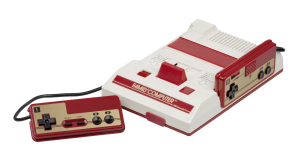
The Strong National Museum of Play traces Dragon Quest’s connections with Ultima and Wizardry. Released on the Famicom in 1986, it translated complex computer-RPG interactions into a console-friendly menu structure. Its scenario, visual design and music emerged from the collaboration of Yūji Horii, Akira Toriyama and Kōichi Sugiyama. Final Fantasy followed in 1987. These were influential foundations, not proof that Japanese RPG history began with a single game.
1986 · Dragon Quest
- Development
- Famicom console RPG
- Why it matters
- Accessible menus linked exploration, battles and an unfolding quest.
1987 · Final Fantasy
- Development
- Beginning of another major RPG series
- Why it matters
- A distinct franchise developed alongside Dragon Quest.
1997 · Final Fantasy VII
- Development
- PlayStation entry
- Why it matters
- A major marker in the series’ transition to a different hardware generation.
03
Story, exploration and character growth interact
A useful way to read an RPG is to follow how its systems affect one another. Exploration exposes new places and encounters; battles and quests can provide resources; development choices alter what characters can do next. This is an explanatory model, not a compulsory sequence. Some games constrain the route through the story, while others allow substantial freedom within it.
Story and characters
- Reader’s question
- Whose journey is being followed, and how does the player influence it?
Exploration
- Reader’s question
- How do locations, encounters and discoveries open up?
Progression
- Reader’s question
- Which abilities, classes or equipment can change?
Combat
- Reader’s question
- Which decisions depend on planning, positioning or timing?
04
Turn-based combat is one approach, not the definition
I Am Setsuna is an example of Square Enix explicitly presenting a turn-based JRPG. Nintendo’s description of Xenoblade Chronicles 3 instead explains real-time combat with automatic attacks, selectable Arts, positioning and party customisation. These examples show why a combat label and a genre label answer different questions. Turn-based describes when actions are chosen or resolved; real-time describes a battle continuing through time.
05
Worlds are communicated through more than dialogue
The Strong highlights the combined importance of scenario, character art and music in Dragon Quest. A score can identify a place or situation, while visual design makes characters and creatures recognisable. Square Enix’s retrospective on Final Fantasy similarly stresses stories, worlds and changing visual technology. These elements help explain why JRPGs are discussed as cultural works as well as collections of rules.
06
A Japanese history within international game culture
The category’s history includes borrowed computer-RPG ideas and subsequent circulation across languages and markets. Square Enix’s 2017 report described Final Fantasy XV supporting twelve languages, illustrating the international production and distribution of a major series. Language support, release dates and localised names should be checked for the particular edition: a franchise name alone does not establish what every version contains.
07
Describe the game before debating the label
For a useful comparison, separate developer and release history from combat, progression, story structure and presentation. Two games may share one dimension while differing in the others. The wider Japanese Video Games entry provides industrial context; Pokémon and Japanese Indie Games offer different routes into related game cultures. The term JRPG is most informative when its intended meaning is made explicit.
Sources
Last updated: