
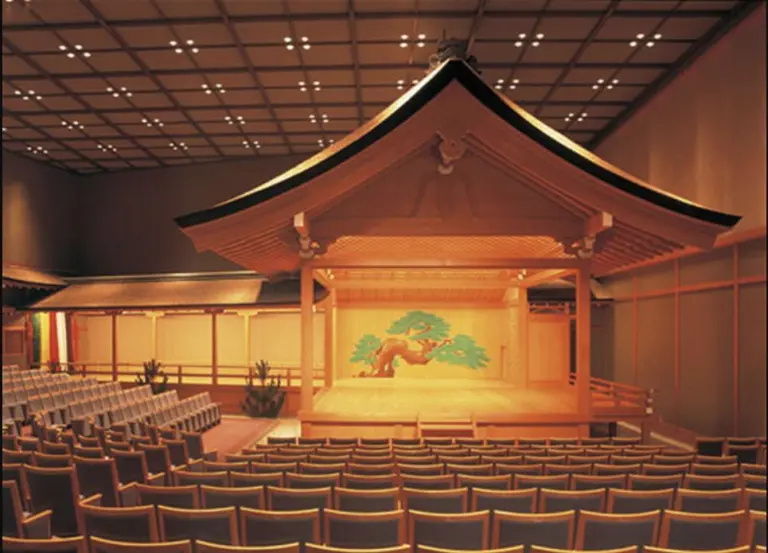
National Noh Theatre
Japan’s national theatre for Noh and Kyōgen, combining a purpose-built stage with performance, research, exhibition, and training functions in Tokyo.
Japan’s national theatre for Noh and Kyōgen, combining a purpose-built stage with performance, research, exhibition, and training functions in Tokyo.
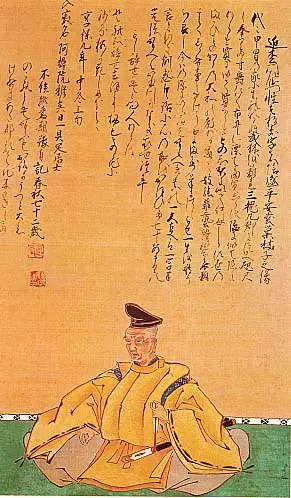
Chikamatsu Monzaemon was a Genroku-period playwright whose works transformed both ningyō jōruri puppet theatre and Kabuki.
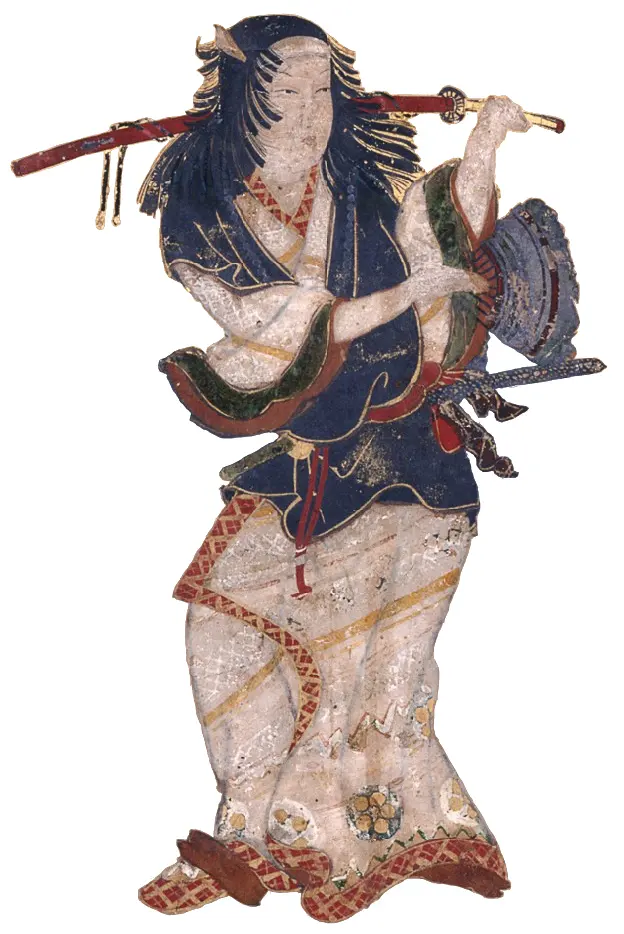
Izumo no Okuni is the early-seventeenth-century performer associated with kabuki odori and the origins of Kabuki in Kyoto.
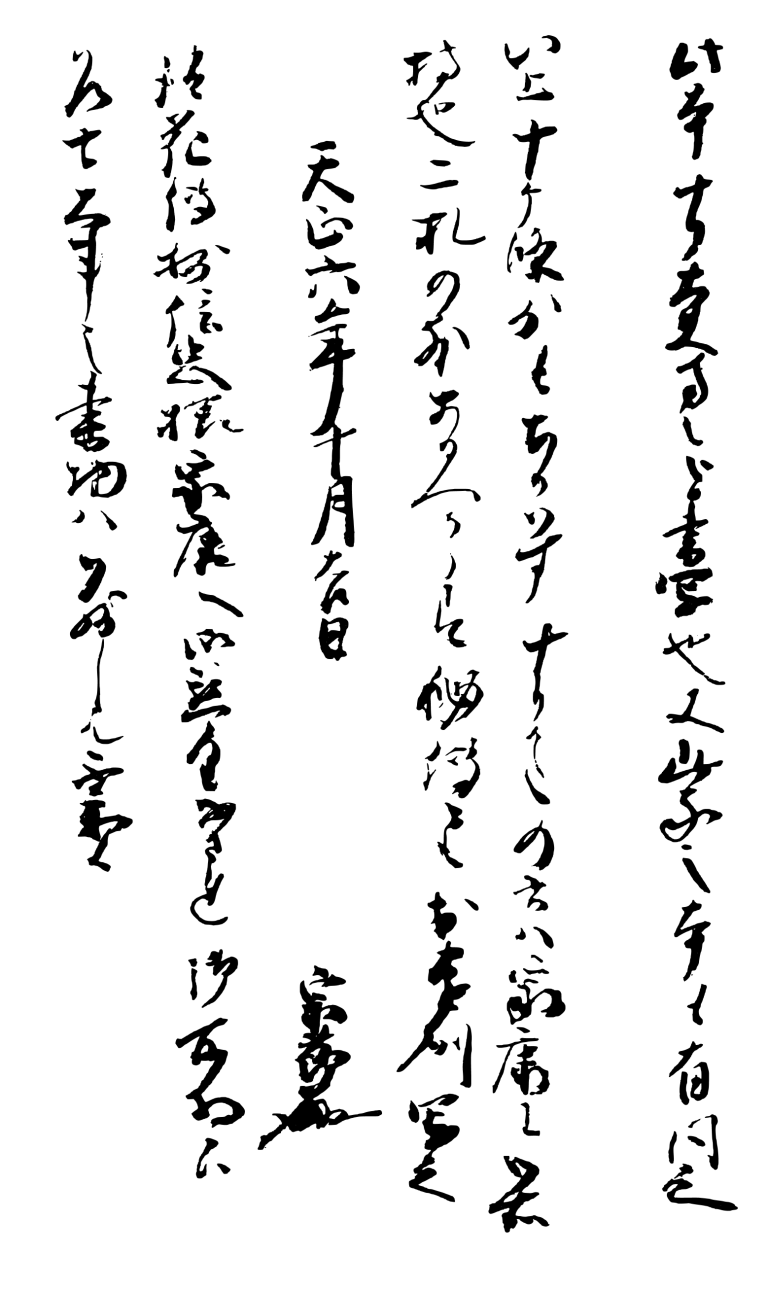
Zeami Motokiyo was a Noh actor, playwright, troupe leader, and theorist whose plays and treatises shaped the transmission of Noh.
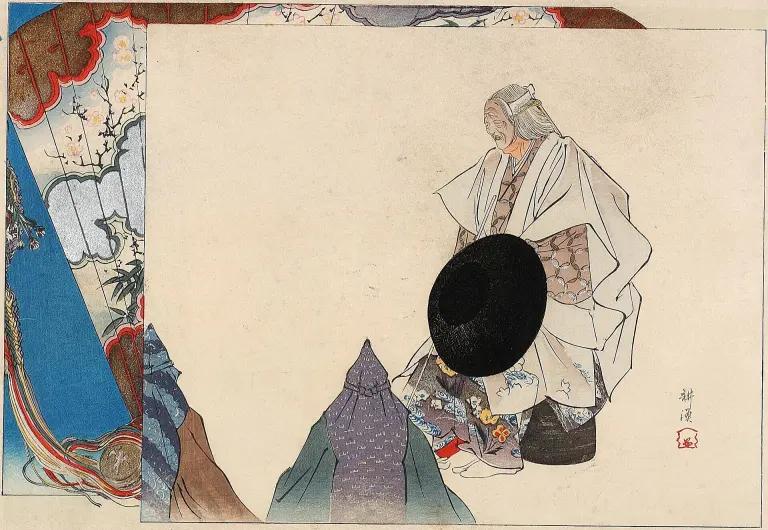
Kan’ami Kiyotsugu was a fourteenth-century actor, troupe leader, and playwright whose performance innovations helped form Noh theatre.
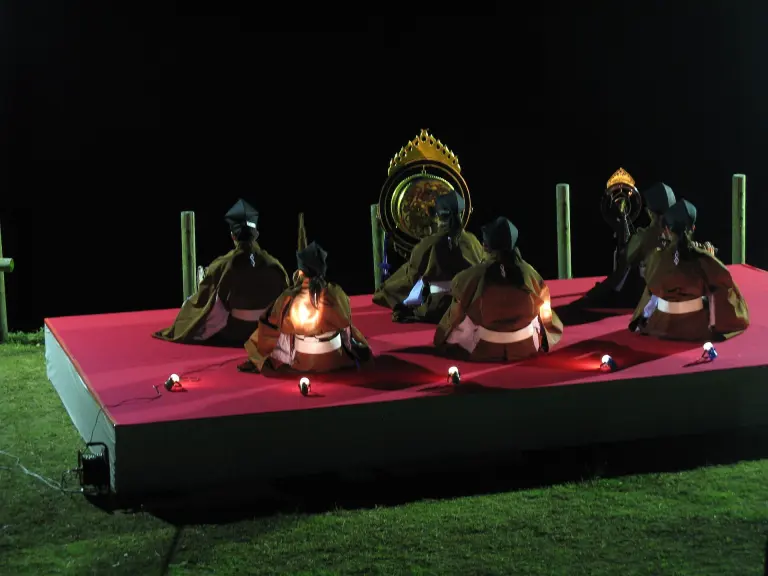
Gagaku is Japan’s court music and dance tradition, combining indigenous repertories with adapted continental forms transmitted through ceremonial institutions and specialist ensembles.
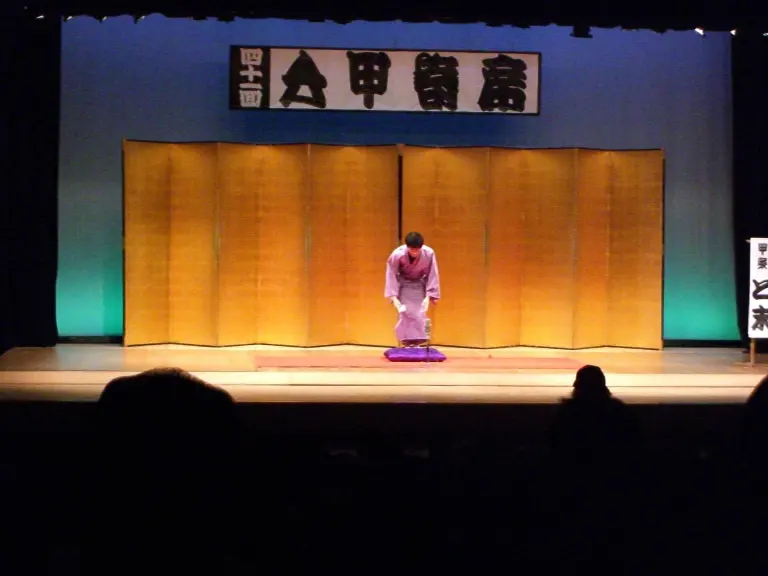
Rakugo is a minimalist Japanese storytelling art in which one seated performer creates multiple characters using voice, gesture, a fan, and a hand towel.
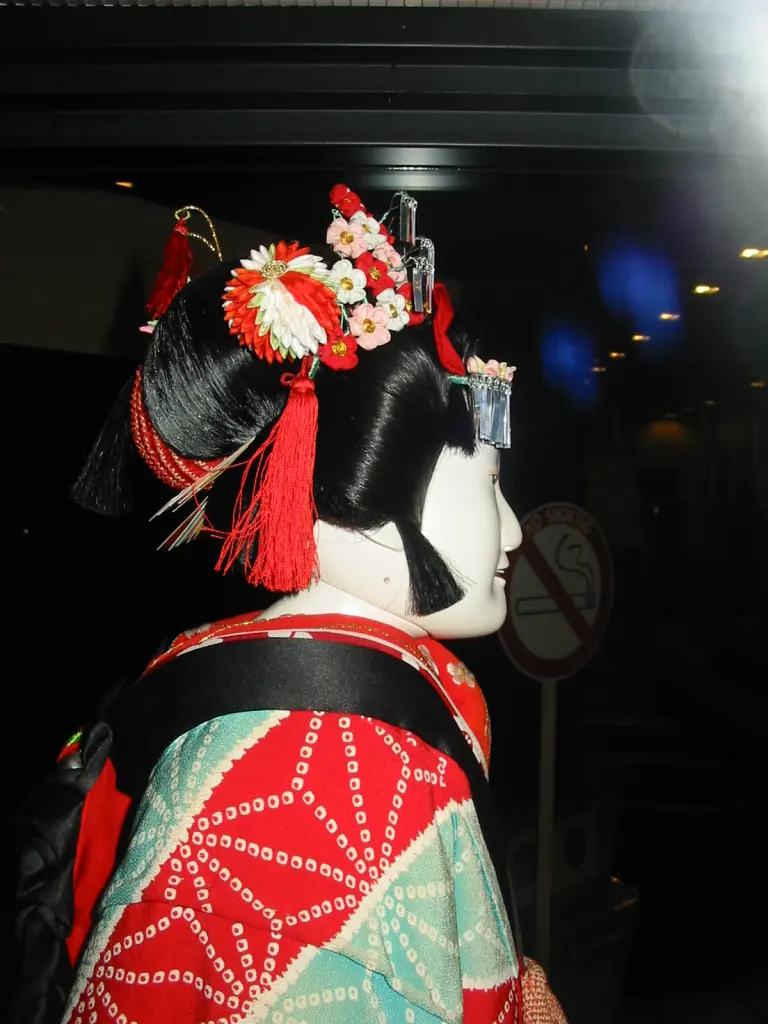
Bunraku is the Osaka-centred form of ningyō jōruri, joining chanted narration, shamisen music, and three-person puppet operation in a unified theatre.
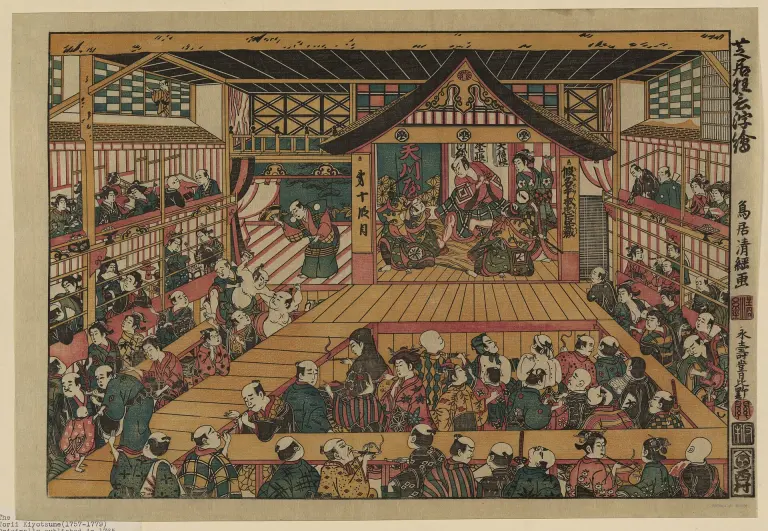
Kabuki is an Edo-period theatre tradition known for actor-centred performance, music and dance, inherited stage names, and technically inventive staging.
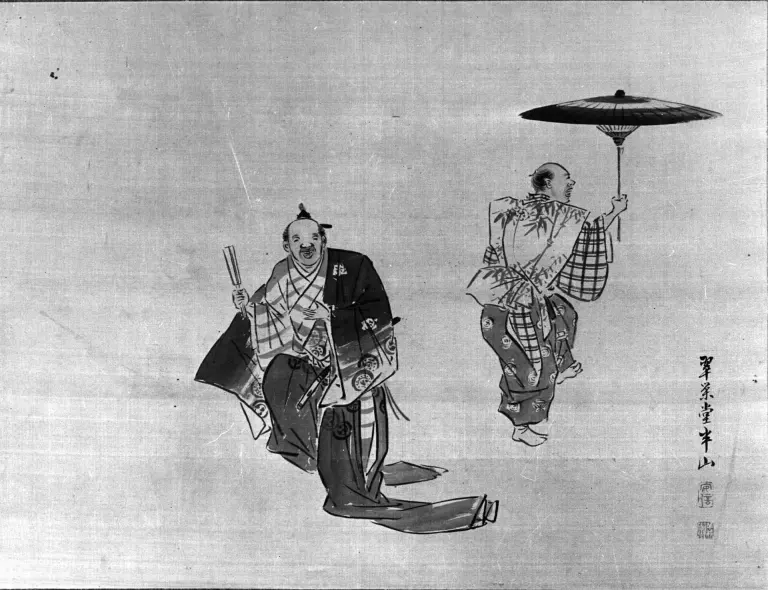
Kyōgen is the spoken comic theatre of Nohgaku, using concise plots, stylized dialogue, and recognizable human types to turn conflict into performance.