
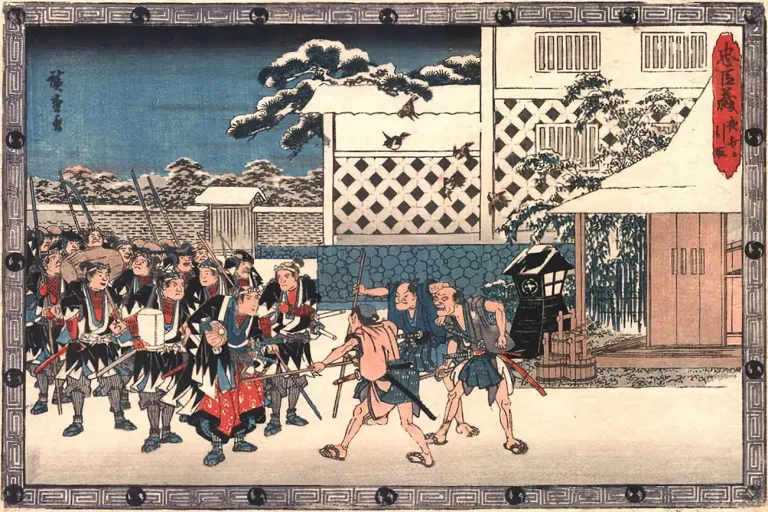
Kanadehon Chūshingura
The eleven-act revenge drama first staged for puppets in 1748, and its transformation of the Akō affair into a lasting theatrical repertory.
The eleven-act revenge drama first staged for puppets in 1748, and its transformation of the Akō affair into a lasting theatrical repertory.
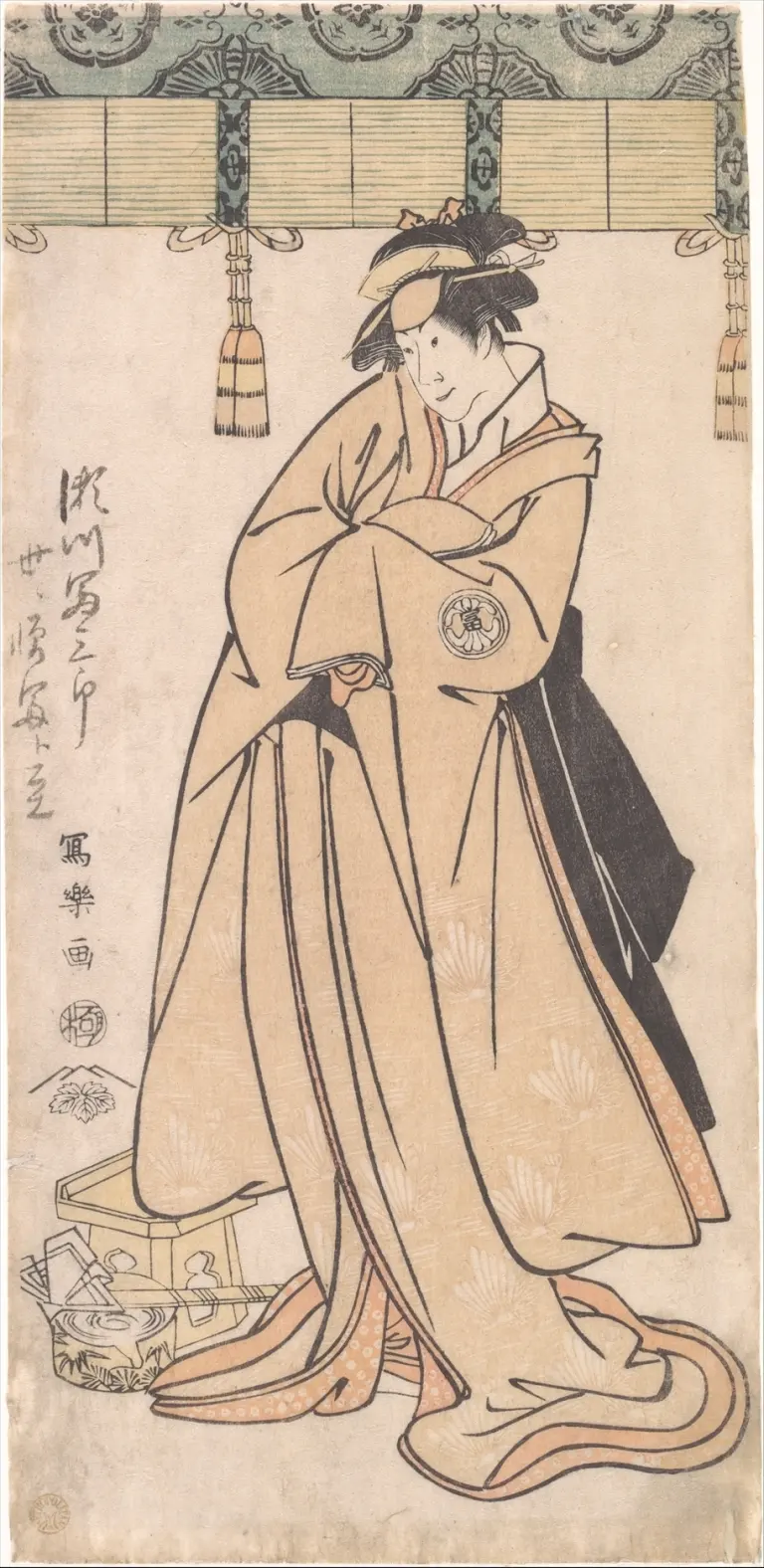
Kabuki’s female-role tradition: its historical formation, acting conventions, character types, and the distinction between stage portrayal and an actor’s identity.
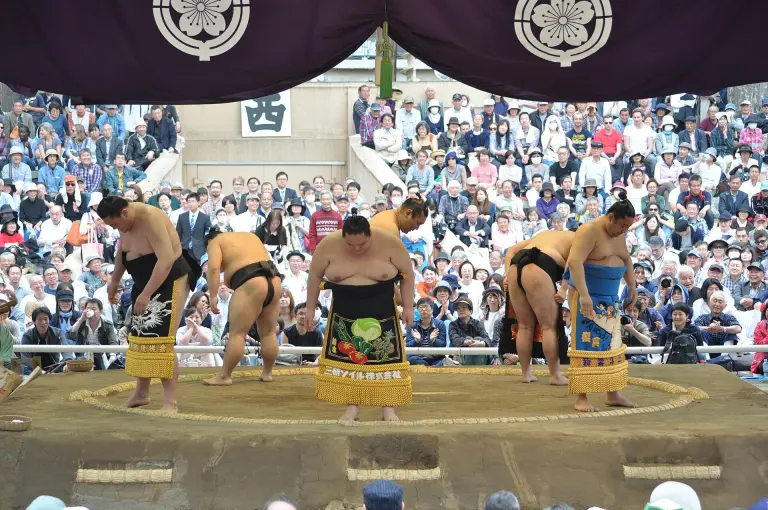
The unaccompanied song tradition associated with sumo, combining a solo voice, answering calls, and lyrics for public and community occasions.
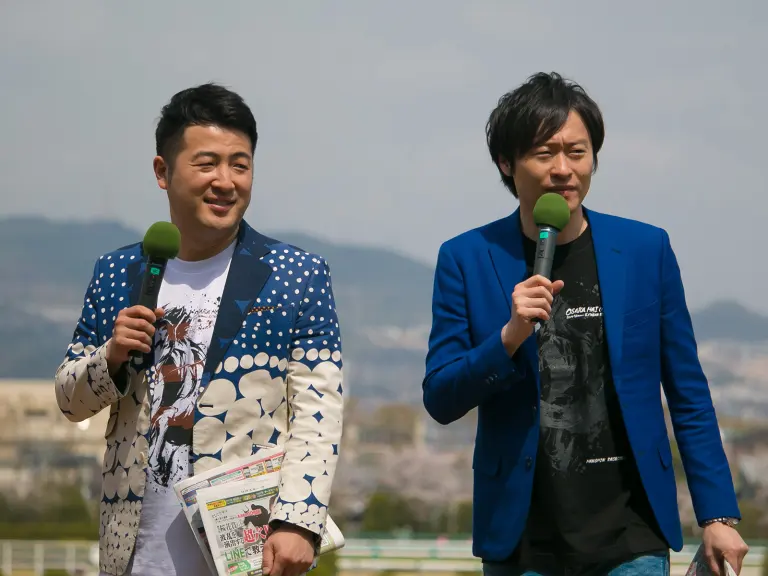
Tsukkomi is the comic response that draws attention to an absurdity or mismatch, and the performer’s role associated with that response.
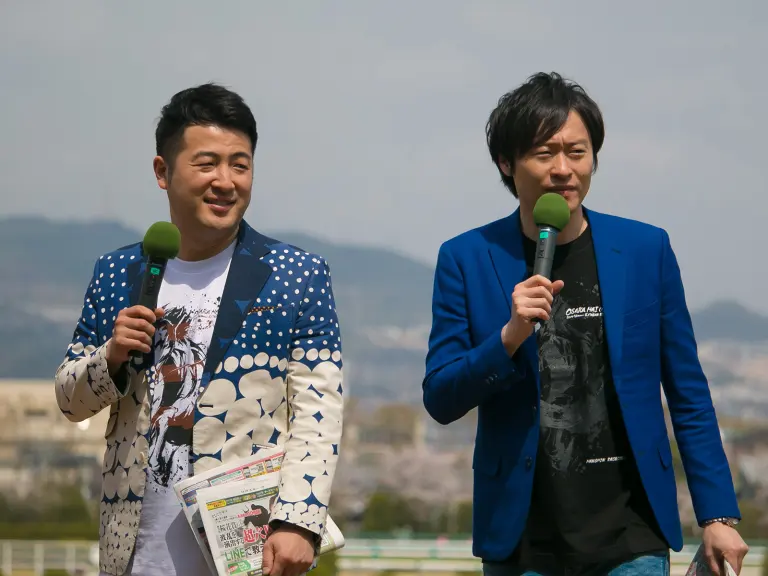
Boke is the comic role or contribution that introduces an incongruity, misunderstanding or absurdity for a partner to develop or respond to.
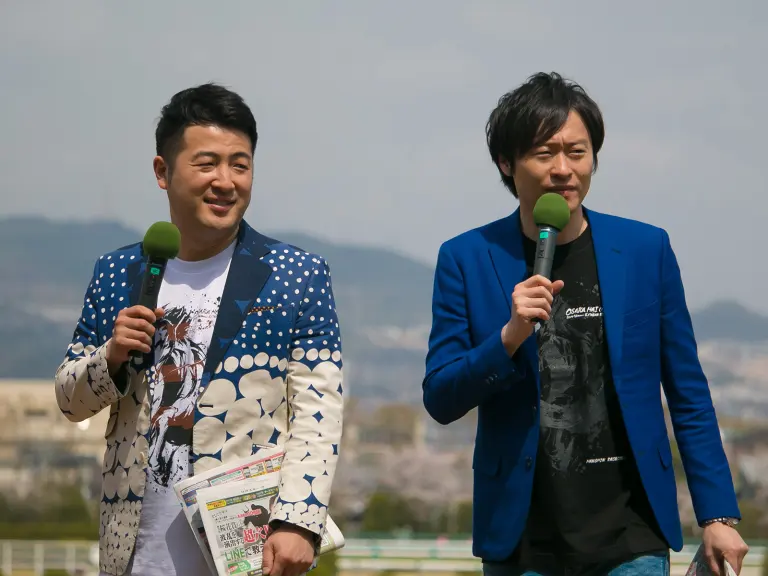
Kamigata manzai is the Osaka-centred regional tradition of manzai, closely associated with the development of modern conversational comedy.
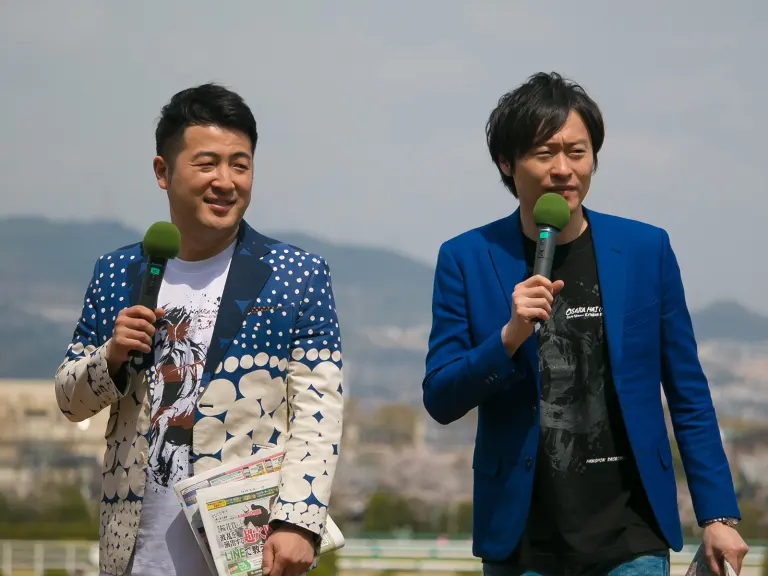
Manzai is Japanese comic dialogue, usually performed by a duo, with a history connecting variety entertainment, regional traditions and modern media.
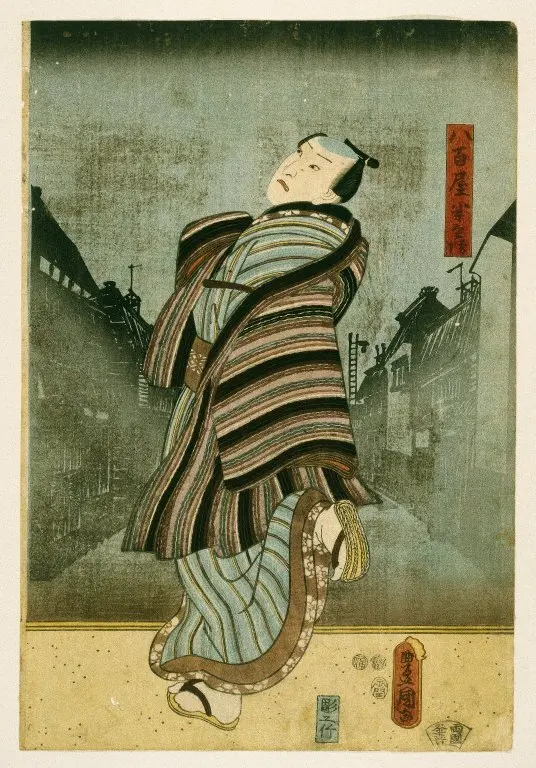
An introduction to kabuki actors, including stage names, lineages, role categories, training, acting patterns, actor prints, and the modern profession.
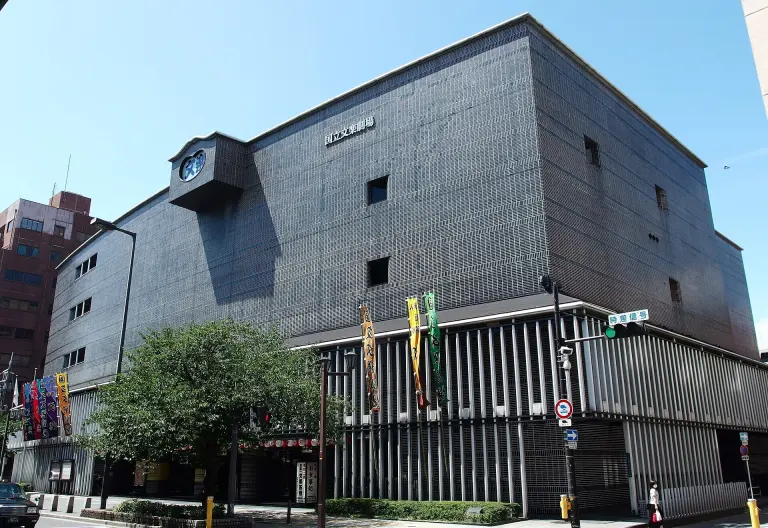
Osaka’s national theatre for Bunraku and other traditional performing arts of the Kyoto–Osaka region, opened in 1984.
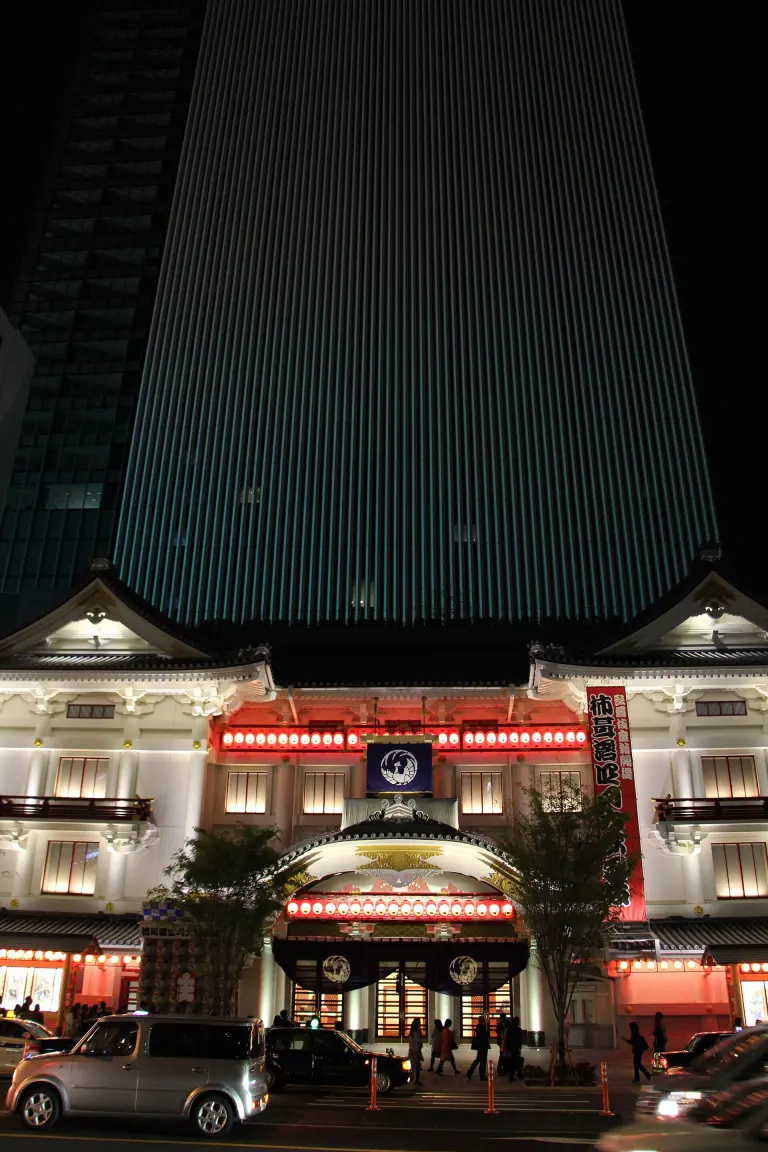
Tokyo’s principal Kabuki theatre, operating in Ginza through five successive buildings since its first opening in 1889.