Tea & Aesthetic Arts
Chanoyu Terminology
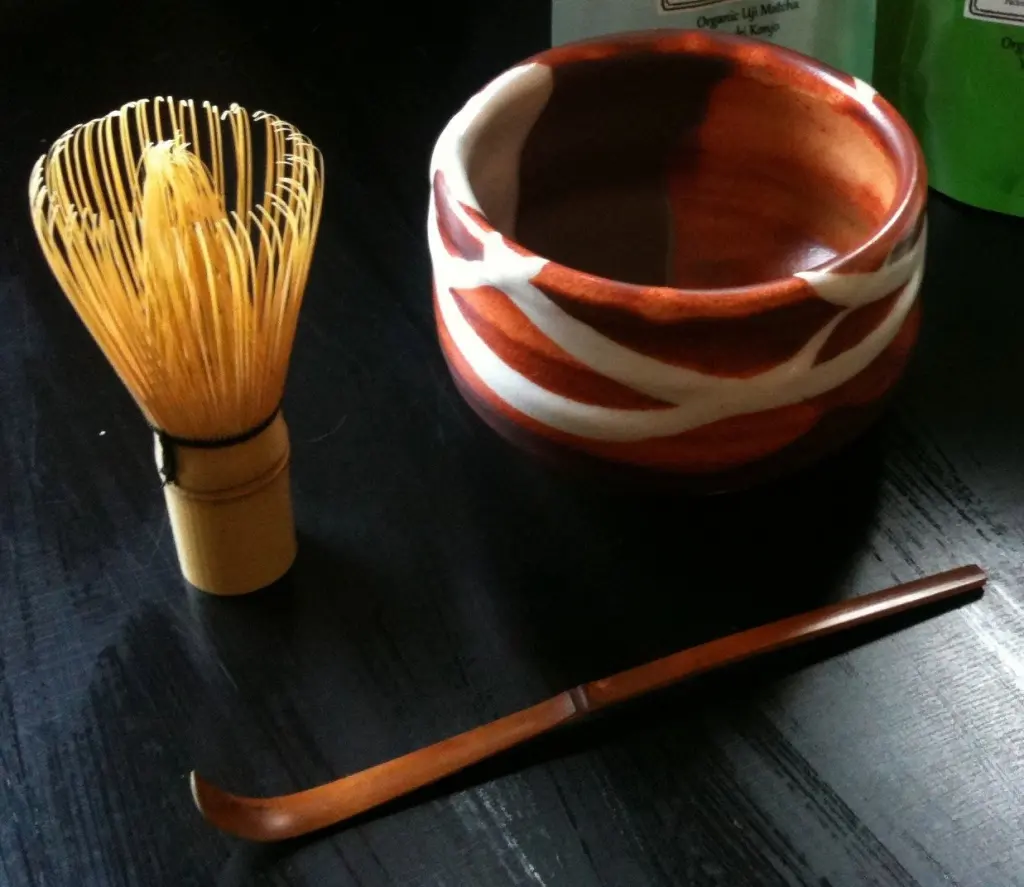
Image: Kaminix / Wikimedia Commons · Creative Commons CC0 1.0 Universal Public Domain Dedication
Chanoyu has a precise working vocabulary for gatherings, rooms, utensils, procedures, roles, and kinds of tea. These terms are not decorative Japanese labels: they distinguish objects and actions that may require different handling. Meanings also depend on context. For example, chaji and chakai both describe tea gatherings, but normally differ in duration and formality; chaki can mean a tea container broadly, while natsume identifies a particular lacquered form commonly used for thin tea. This page groups frequently encountered terms by function. Romanization follows common English usage, but spelling, pronunciation guides, and procedural details can vary among schools of Japanese Tea Ceremony.
Overview
| Field | Japanese tea practice |
|---|---|
| Key umbrella terms | Chanoyu; chadō; sadō |
| Formal gathering | Chaji |
| Tea types | Koicha and usucha |
| Core preparation set | Chawan, chasen, chashaku, and tea container |
| Usage note | Meanings and procedures may vary by school |
Core names and gatherings
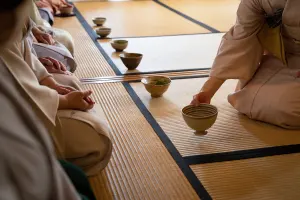
Chanoyu (茶の湯) refers to the preparation and sharing of tea. Chadō and sadō are readings of 茶道, “the way of tea.” A chaji is a formal gathering that usually includes a meal, charcoal, thick tea, and thin tea; a chakai is normally a shorter gathering.
Temae means the ordered procedure by which the host prepares and serves tea. It is not one universal sequence: schools teach named procedures for different seasons, rooms, utensils, and levels of study.
Tea, sweets, and meal
Matcha is powdered green tea. Koicha is thick tea, prepared with more powder and less water and traditionally shared in a formal gathering. Usucha is thin tea, whisked to a lighter consistency and served individually.
Kaiseki in chanoyu is the meal served during a formal chaji. Omogashi are moist sweets commonly served before thick tea; dry sweets may accompany thin tea. Kaishi are folded papers carried by guests and used when receiving sweets or handling small items.
Utensils for making tea
A chawan is the tea bowl. A chasen is the bamboo whisk, and a chashaku is the narrow scoop used to transfer matcha. Chakin is the small linen cloth used to wipe the bowl. A fukusa is a silk cloth used by the host in the ritual handling and purification of selected utensils.
A chaire is normally a ceramic caddy associated with thick tea and may be enclosed in a textile pouch called shifuku. Natsume names a lacquered tea container, typically used for thin tea. Chaki can serve as a broader term for a tea container.
Water, fire, and hearth
The kama is the kettle. The hishaku is the bamboo ladle used for water, the mizusashi holds fresh water, and the kensui receives waste water. A futaoki supports the kettle lid or ladle during preparation.
The sunken hearth is called ro; the portable brazier used in the warmer season is furo. Changing from ro to furo affects placement, movement, utensils, and the host’s seasonal choices, not merely the heat source.
Room, garden, and display
Chashitsu means tea room, while sukiya can refer to tea-oriented architecture. Koma is a small tea room and hiroma a larger room. The garden approach is the roji. A low guest entrance is known as a nijiriguchi.
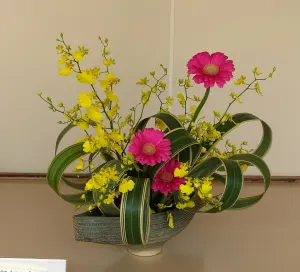
The alcove, or tokonoma, may hold a kakemono hanging scroll and a flower container called hanaire. Flowers arranged for tea are often called chabana and are generally treated differently from formal Ikebana.
Guest items and etiquette
Guests may carry kaishi, a sweet pick, and a folding fan called sensu. The fan is not normally opened for cooling in the tea room; it can mark a respectful boundary during greetings. Handling conventions differ according to school and gathering.
The principal guest is often called shōkyaku. This guest leads questions and responses on behalf of the group. The last guest, or tsume, has responsibilities for completing actions and keeping the group’s movement orderly.
Incense, flowers, and season
A kōgō is a small incense container used with the charcoal procedure. Incense in a tea gathering is related to, but distinct from, the formal connoisseurship and games of Kōdō.
Seasonal language extends beyond named objects. The chosen scroll, flowers, sweets, vessel materials, hearth, and poetic references may all respond to a particular time of year or occasion. A term therefore becomes fully meaningful through use within a coordinated gathering.
Ideas and aesthetic language
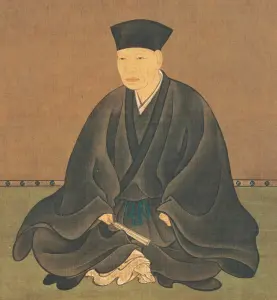
The historical practice of Sen no Rikyū is central to later understandings of wabi-cha, but the term names a tradition formed before him and transmitted after his death.
Wabi is associated with restrained, imperfect, or modest beauty, but it should not be reduced to a decorating style. In tea history, wabi-cha identifies approaches that placed new value on small rooms, Japanese and Korean wares, bamboo, and ordinary objects.
Terms such as konomi identify the preferences or designs associated with a tea master. Their meaning may be lineage-specific. Reliable interpretation therefore begins with the school, object, and historical context in which a word is used.
Sources
Last updated: