Buddhism
Japanese Buddhist Temple
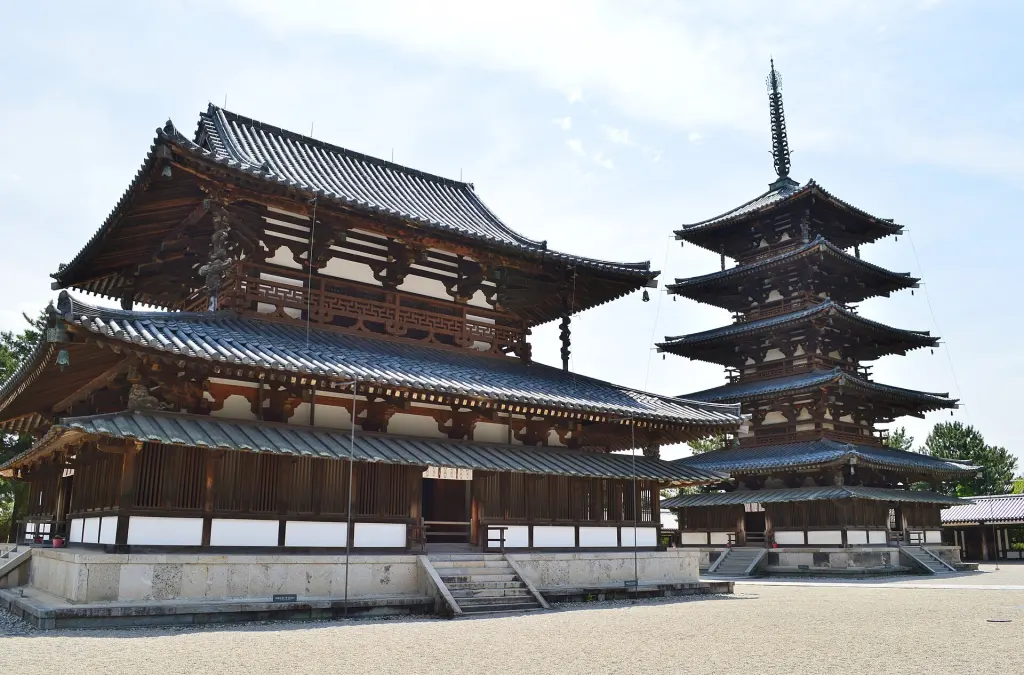
Image: Saigen Jiro / Wikimedia Commons · CC0 1.0
A Japanese Buddhist temple is commonly called a tera (寺) or jiin (寺院), while individual names may end in -ji, -dera, or -in. It is both a religious institution and a built environment. A temple may contain a main worship hall, gates, pagodas, bells, cemeteries, clergy residences, gardens, and subsidiary halls, but no single plan applies to every school or period. Its central image and liturgy depend on the institution’s lineage. Temples may support monastic training, parish funerals, memorial services, festivals, pilgrimage, education, preservation, and tourism. Although the modern distinction between Buddhist temple and Shinto shrine is useful, many historic sites developed through centuries of Buddhist–kami interaction before their formal separation in the nineteenth century.
Overview
| Japanese terms | 寺; 寺院 |
|---|---|
| Common readings | Tera; jiin |
| Primary function | Buddhist worship, teaching, ritual, and community life |
| Central focus | A principal image or other object of veneration |
| Common elements | Gate, main hall, bell, pagoda, cemetery, and subsidiary halls |
| Institutional variety | Layouts and practices differ by school, age, and local history |
Names and institutional identity
Japanese temple names often combine a mountain name, formal temple name, and sub-temple title. The suffixes -ji, -dera, and -in can all identify Buddhist institutions, but they do not by themselves reveal a temple’s school or function. A precinct may contain multiple sub-temples with their own clergy and histories. “Temple” therefore refers to an organization, a sacred site, and its buildings rather than to one architectural type.
Compound and buildings
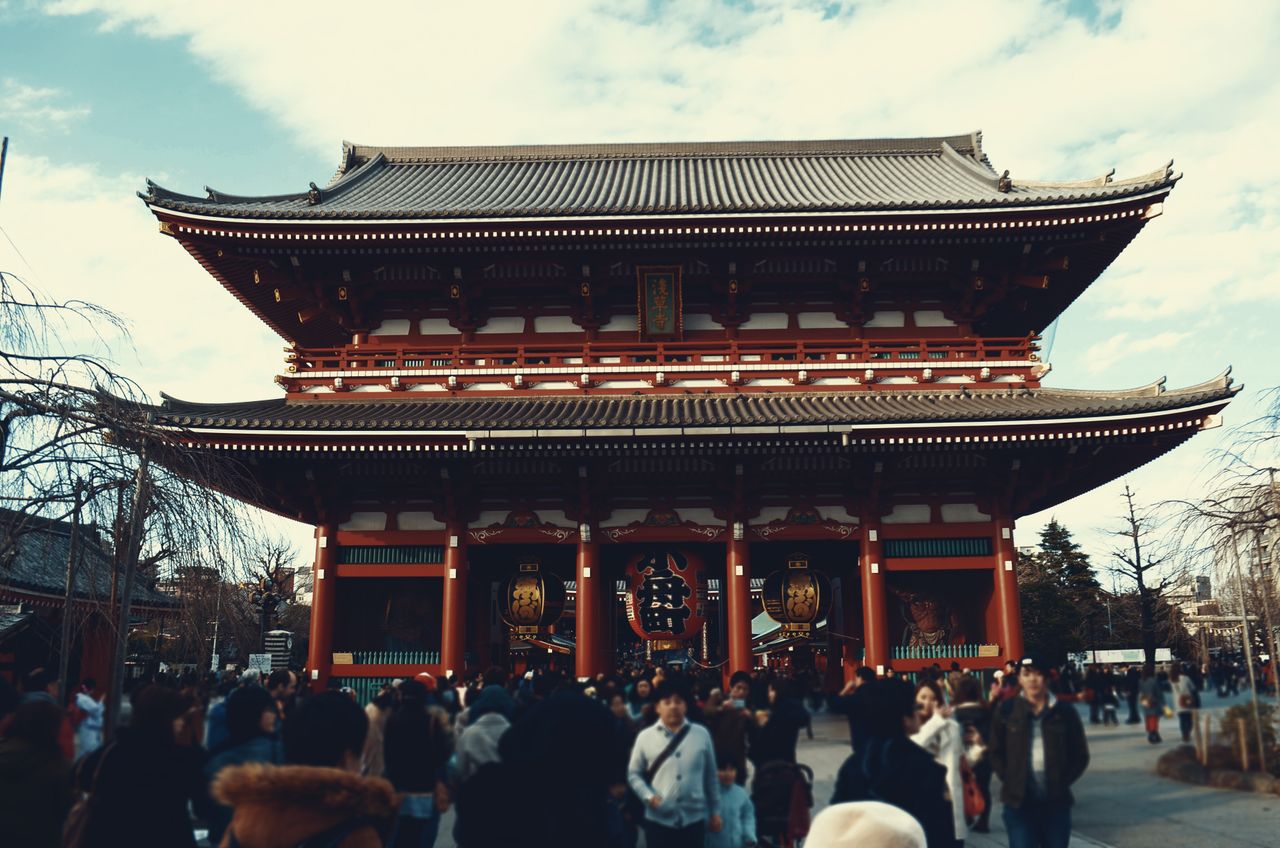
A large compound may include an outer gate, a main hall, lecture or founder’s hall, pagoda, bell tower, scripture repository, cloister, kitchen, and monastic quarters. Hōryū-ji preserves buildings from the late seventh and early eighth centuries, while other temples have been rebuilt repeatedly after fire, warfare, or earthquake. Arrangement reflects period, terrain, patronage, school, and ritual need; popular diagrams should not be treated as universal plans.
Honzon and ritual space
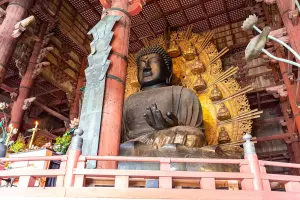
The honzon, or principal object of veneration, may be an image, mandala, written name, or other authorized form. Its identity varies: Amida, Shaka, Dainichi, Kannon, Fudō, and school founders are among many possibilities. The inner sanctuary is not simply a display area. Images, furnishings, light, flowers, incense, sound, and clerical movement organize an active ritual environment, and access may be restricted.
Clergy, parishioners, and services
Temple communities range from training monasteries with resident practitioners to small parish temples led by one priestly household. Services can include chanting, sermons, funerals, memorials, blessings, seasonal observances, copying sutras, and meditation. Many temples also maintain graves and family records. Institutional responsibilities differ widely, and the English word “monastery” is appropriate only where a resident training community actually exists.
Temple and shrine histories
Temple baths and Buddhist bath charity form one strand in the longer history of Japanese bathing culture, although later commercial bathhouses and domestic bathrooms developed through additional social and technological changes.
Buddhist and kami worship frequently shared precincts, protective deities, pilgrimage routes, and explanatory systems. Torii, pagodas, shrine buildings, and Buddhist halls could coexist within connected complexes. Government orders beginning in 1868 separated shrine and temple administration and prompted the removal or destruction of many Buddhist objects. Present labels are therefore historically important but can hide the mixed histories visible in older sites.
Visiting etiquette
Visitors should follow signs and the practice of the particular temple. A quiet approach, modest photography, and removal of shoes where indicated are safe general principles. Incense or an offering may be available; hands are normally joined in prayer without the clapping associated with many shrines. Rules differ for inner halls, ceremonies, gardens, and cultural properties, so local instructions outrank a universal checklist.
Preservation and reconstruction
Temple buildings and objects form a major part of Japan’s designated cultural heritage. Preservation may involve dismantling and reassembling timber structures, replacing roof materials, conserving sculpture and painting, controlling fire risk, and documenting repairs. Reconstruction does not necessarily make a building historically inauthentic: repeated rebuilding is itself part of many temple histories, while surviving materials may span several periods.
Temples in contemporary Japan
Temples today operate within religious corporations while also serving neighbourhoods, pilgrims, tourists, researchers, and preservation authorities. Some offer lodging, meditation, exhibitions, or cultural classes; others concentrate on parish and cemetery obligations. Population decline and changing funeral practices place financial pressure on many institutions. At the same time, temples remain living settings in which Buddhism in Japan is taught, performed, remembered, and materially maintained.
Sources
Last updated: