
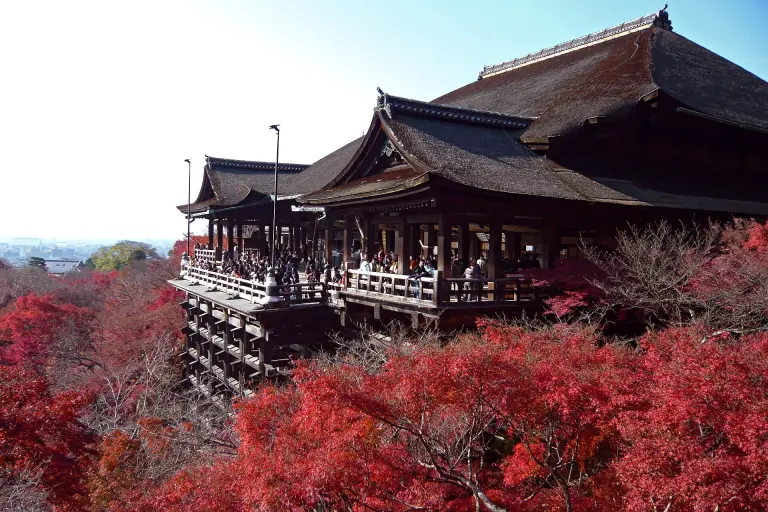
Kiyomizu-dera
Kiyomizu-dera is a Kyoto Kannon temple founded in 778, known for its spring, cliff-supported main-hall stage, pilgrimage, and repeated reconstruction.
Kiyomizu-dera is a Kyoto Kannon temple founded in 778, known for its spring, cliff-supported main-hall stage, pilgrimage, and repeated reconstruction.
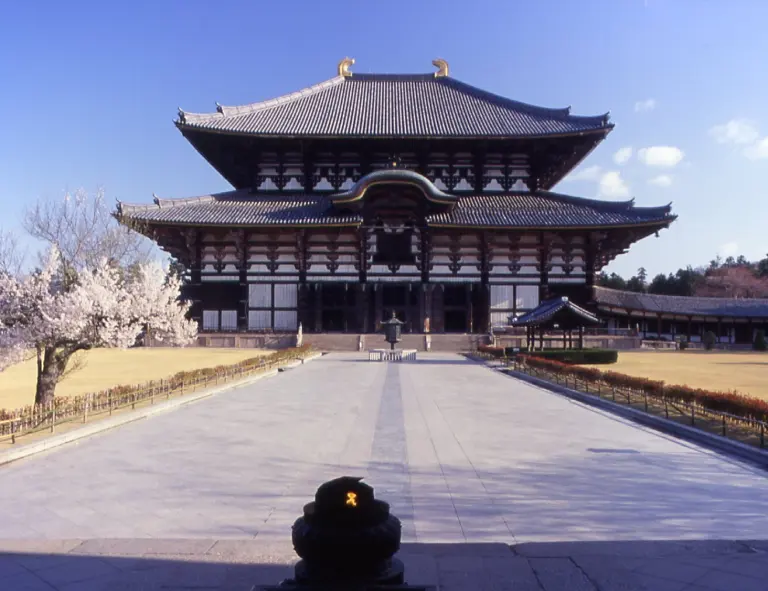
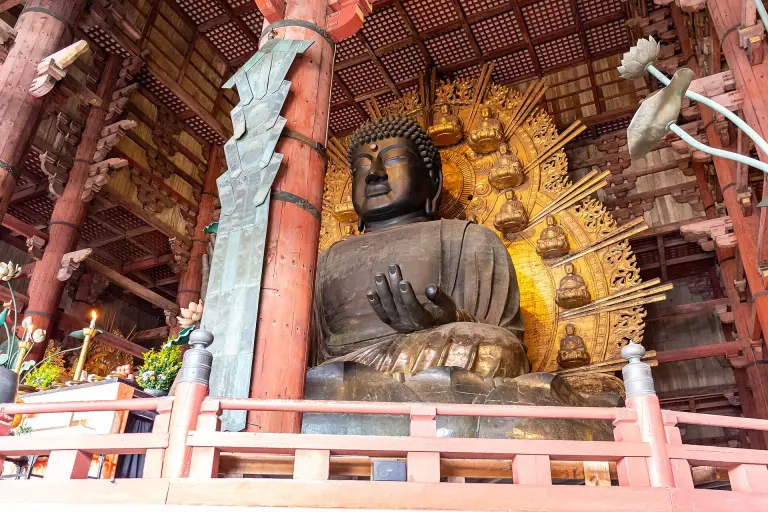
Tōdai-ji is a Nara Buddhist temple founded within the eighth-century state monastery system and centred on the monumental Vairocana Great Buddha.
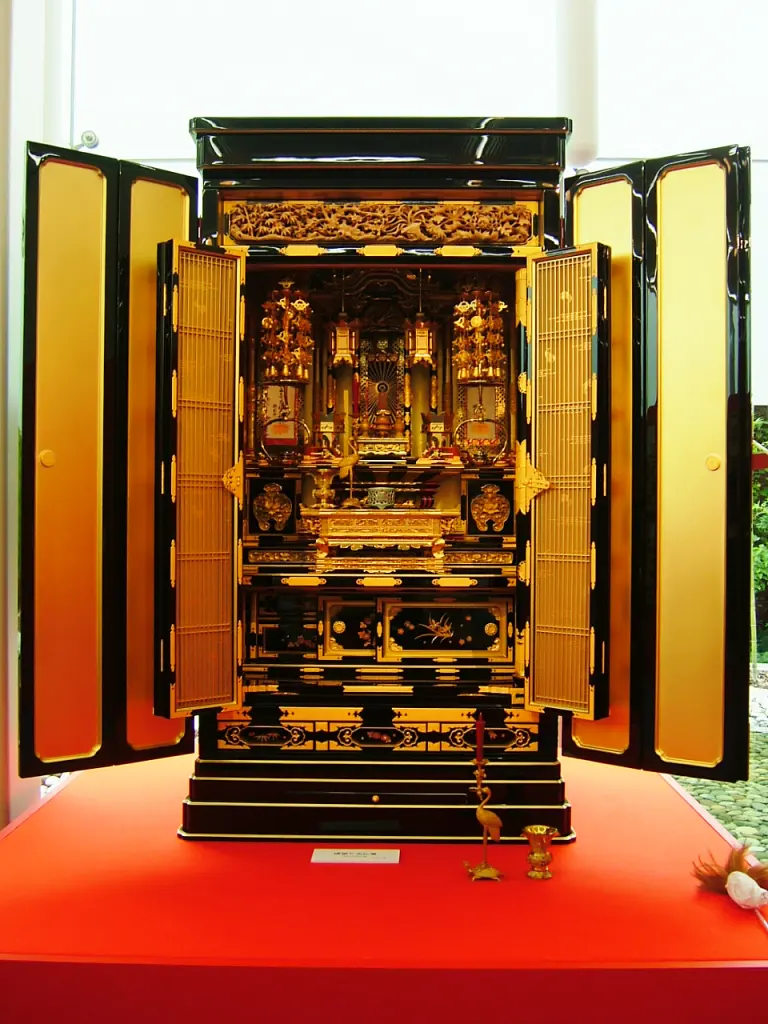
A Buddhist altar, or butsudan, is a household focus for Buddhist veneration, recitation, offerings, and memorial practice whose form varies by school and region.

Shingon Buddhism is a Japanese esoteric Buddhist tradition systematized by Kūkai, using mantra, mudra, mandala, visualization, and initiatory ritual.

Pure Land Buddhism in Japan centres on Amida Buddha and rebirth in the Pure Land, expressed through several schools with distinct teachings and institutions.

Zen in Japan comprises several Buddhist lineages—notably Rinzai, Sōtō, and Ōbaku—whose practice, ritual, institutions, and histories extend beyond meditation alone.
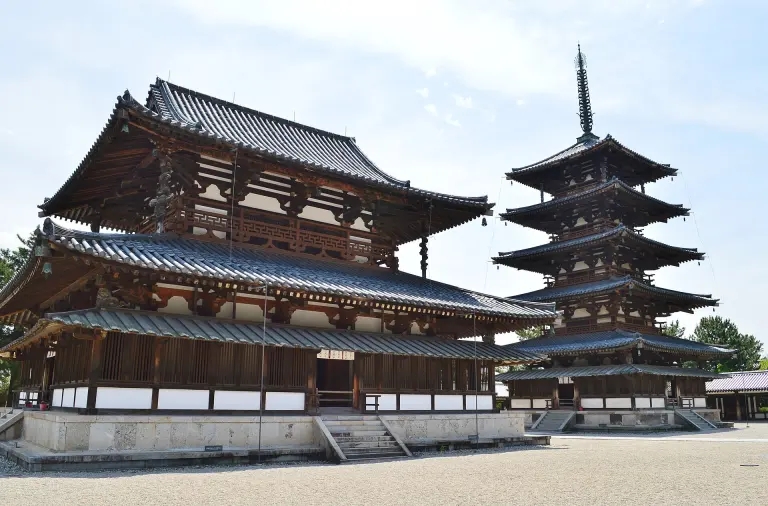
A Japanese Buddhist temple is a religious institution and built compound whose layout, images, clergy, and community roles vary by school and period.
Buddhism in Japan comprises diverse schools, institutions, rituals, arts, and household practices shaped by more than fourteen centuries of transmission and change.