Tea & Aesthetic Arts
Kōdō
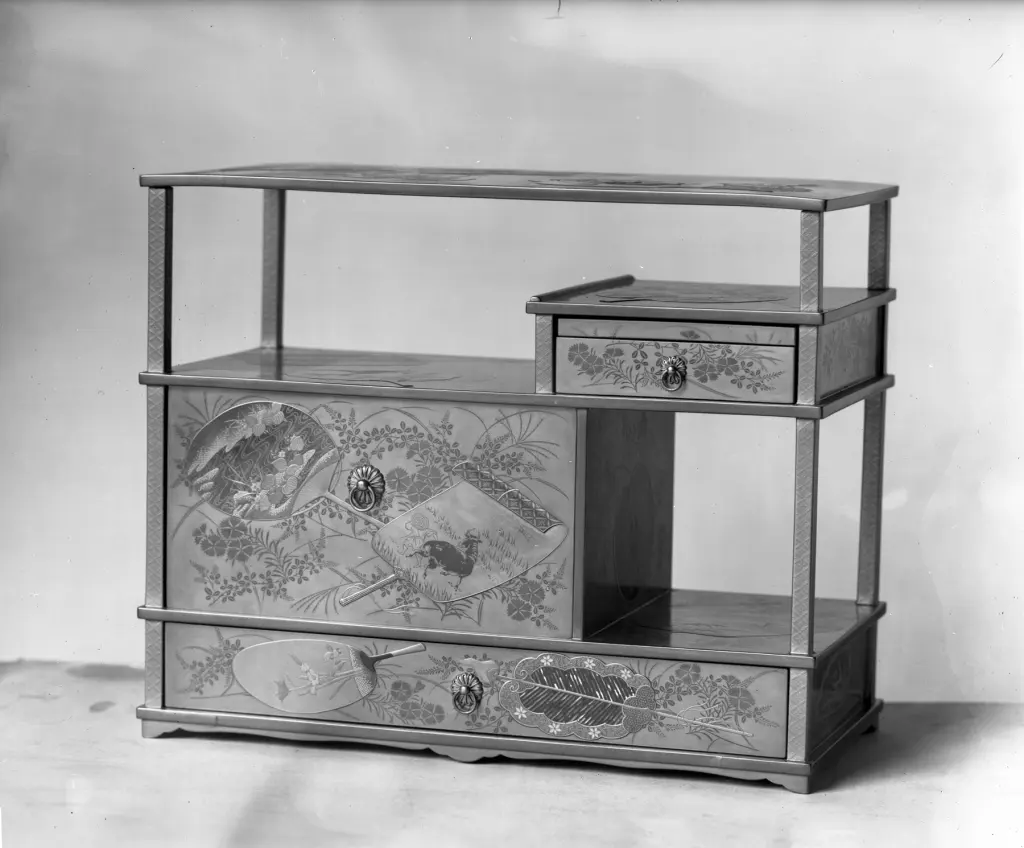
Image: Anonymous Japanese artist; photograph by Walters Art Museum / Wikimedia Commons / Walters Art Museum · Creative Commons Attribution-ShareAlike 3.0 Unported
Kōdō (香道), the “way of fragrance,” is the Japanese art of appreciating incense and fragrant woods through cultivated sensory attention, formal procedure, and literary association. Practitioners commonly speak of “listening” to incense rather than simply smelling it. In a formal session, a small piece of aromatic wood is heated indirectly in a prepared incense cup so that its fragrance can be encountered without open burning. Participants may compare woods or take part in kumikō, structured games whose answers connect scent with poetry, place, season, or classical literature. Kōdō emerged from earlier Buddhist, courtly, and warrior uses of incense and was systematized during the medieval and early modern periods alongside tea and flower arts.
Overview
| Japanese name | 香道 |
|---|---|
| Romanization | Kōdō; commonly written Kodo |
| Literal meaning | Way of fragrance |
| Principal material | Aromatic wood, especially agarwood |
| Core practice | Monkō, or listening to incense |
| Structured games | Kumikō, including Genjikō |
Name and scope
Kō can mean fragrance or incense, and dō means way or disciplined path. Kōdō is therefore more specific than the broad use of incense in temples, homes, shops, or funerary practice.
A kōdō gathering coordinates aromatic material, controlled heat, specialist utensils, etiquette, memory, and interpretation. The aim is attentive discrimination, not filling a room with strong smoke.
Incense before Kōdō
Incense entered Japan with Buddhist material culture. The Nihon shoki records fragrant wood reaching Awaji in 595, although later histories of incense extend beyond this single episode. Temples used aromatic substances in ritual, while court society burned and blended incense for clothing, rooms, and poetic competition.
During the Heian period, fragrance became part of elite seasonal and literary culture. In the Kamakura and Muromachi periods, Zen, warrior patronage, imported woods, and comparison games created new settings for connoisseurship.
Medieval systematisation
By the Muromachi period, conventions for identifying, presenting, and appreciating fragrant wood were being organized into lineages of instruction. Kōdō developed beside Japanese Tea Ceremony and Ikebana within a broader culture of cultivated gatherings.
Later schools preserved classifications, named pieces of wood, procedures, and games. Historical claims about a single founder or fixed date should be treated carefully because systematisation occurred across patrons, specialists, collections, and generations.
Fragrant woods
Agarwood forms when certain trees produce aromatic resin in response to injury and biological processes. Quality varies enormously by origin, resin, age, and the history assigned to a piece. Sandalwood and blended incense belong to Japanese fragrance culture but are not equivalent to every kōdō exercise.
Historic fragments may have individual names and documented owners. Because old woods are finite and international trade in some source species is regulated, provenance and responsible sourcing matter in contemporary practice.
Listening procedure
For monkō, ash is shaped in a small cup around heated charcoal, and a mica plate supports a minute wood chip above the heat. The wood warms rather than flares. A participant holds the cup near the face and inhales the rising fragrance in a prescribed manner.
The cup is passed so that participants encounter comparable conditions. Attention is directed to changing qualities, associations, and memory. Formal etiquette helps stabilize the experience without making sensory judgments entirely objective.
Kumikō and Genjikō
Kumikō are structured incense-comparison games. Participants record whether samples seem identical or different, or identify them according to rules announced for the session. Correct answers can matter, but literary and social participation is equally important.
Genjikō connects patterns of matching fragrances with chapters of The Tale of Genji. Its diagram system became a visual motif used well beyond kōdō, especially in textiles, lacquer, and other decorative arts.
Utensils and setting
A complete incense set may include cups, ash tools, mica plates, wood-cutting implements, paper packets, answer slips, counters, trays, and lacquer storage. Their arrangement and handling turn connoisseurship into a coordinated material art.
Utensils also reveal connections with metalwork, lacquer, textiles, paper, and poetry. Museum sets are historical objects; they do not by themselves provide sufficient instruction for conducting a school-specific gathering.
Transmission and modern practice
Kōdō knowledge is transmitted through schools and teachers. The Shino and Oie traditions are often identified as major historical lineages, but contemporary access and terminology vary. Introductory events may teach selected procedures without representing full formal training.
The practice declined in visibility after the early modern period but survived through lineages, collections, incense houses, and cultural institutions. Modern workshops and museum programmes have widened public awareness while specialist study remains comparatively small.
Sources
Last updated: