People
Akira Kurosawa
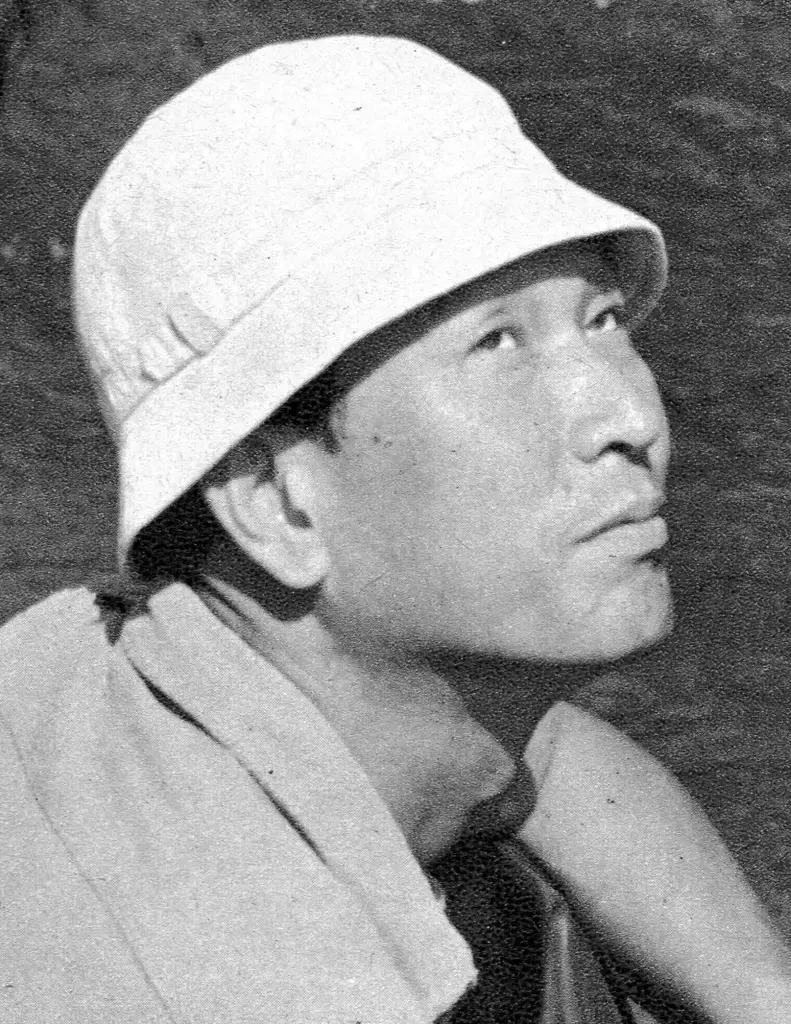
Image: Eiga no tomo; photographer unidentified / Wikimedia Commons · Public domain
Akira Kurosawa (黒澤明, 23 March 1910–6 September 1998) was a Japanese film director whose thirty features ranged from historical action to contemporary social drama and literary adaptation. His career began as a director with Sanshiro Sugata in 1943 and concluded with Madadayo in 1993. Rashomon’s international success in 1951 helped bring wider attention to Japanese Cinema, while Seven Samurai, Ikiru and later films developed distinct approaches to action, responsibility and human relationships. Actors such as Toshirō Mifune and Takashi Shimura were central collaborators. His international reputation should not reduce his work to samurai films or make him representative of every tradition among Japanese Film Directors.
Overview
| Japanese name | 黒澤明 · Kurosawa Akira |
|---|---|
| Born | 23 March 1910 |
| Died | 6 September 1998 |
| Principal role | Film director; also screenwriter and editor |
| Directorial features | 30, from 1943 to 1993 |
| Major collaborators | Toshirō Mifune and Takashi Shimura |
His directing career began during wartime
Kurosawa’s early professional circle included Kajirō Yamamoto, Ishirō Honda and Senkichi Taniguchi. His directorial debut, Sanshiro Sugata (1943), centred on a young martial artist and was made within wartime constraints. BAMPFA’s account places the film in that setting. The later international career grew from this earlier studio experience rather than beginning with Rashomon.
Rashomon widened the international audience
Rashomon was released in 1950 and won the Golden Lion at Venice in 1951. Its conflicting accounts of a violent incident made perspective central to the film’s structure. The festival award became a major moment in Japanese cinema’s overseas reception. It did not mark the beginning of Japanese film production, and the films that reached foreign audiences remained a selective part of the industry.
Period films and contemporary dramas developed side by side
Seven Samurai (1954) is one of his best-known period films, but Ikiru (1952) examines an ordinary civil servant’s response to mortality. High and Low (1963) turns a kidnapping into a question of responsibility and social position. BAMPFA’s restoration programmes present these different settings together, helping restore the breadth of a career often identified primarily with swords and historical action.
Adaptation connected literature, theatre and film
Throne of Blood (1957) reworked Macbeth through a Japanese historical setting and theatrical elements associated with Noh. Literary adaptation in Kurosawa’s work was a process of transformation across media and settings. His recurring actors also mattered: Mifune and Shimura offered different kinds of physical presence and performance. The director’s visual and narrative choices were realised through those collaborations.
Later work expanded the visual and international scale
Kagemusha (1980) and Ran (1985) belong to Kurosawa’s later colour filmmaking. The BFI describes the support of overseas filmmakers when Japanese financing became difficult. Madadayo (1993), his final feature, returned to relationships between a teacher and former students. The movement between spectacle and intimate human concerns remained visible across the later work.
Awards, remakes and restorations are different forms of afterlife
The Academy presented Kurosawa with an Honorary Award at the 1990 ceremony. His films also circulated through remakes and through the acknowledged interests of later directors. Restoration programmes continue to make individual works available in new presentations. Awards document institutional recognition; they should be distinguished from the more specific task of tracing how one film influenced another.
Selected films and milestones
Release years and award years are separate in the chronology.
| Year | Milestone |
|---|---|
| 1943 | Sanshiro Sugata: directorial debut. |
| 1950 / 1951 | Rashomon is released, then wins at Venice. |
| 1952 / 1954 | Ikiru and Seven Samurai. |
| 1980 / 1985 | Kagemusha and Ran. |
| 1990 | Honorary Academy Award. |
| 1993 / 1998 | Madadayo; death five years later. |
Sources
Last updated: