Historic Cities
Aizuwakamatsu
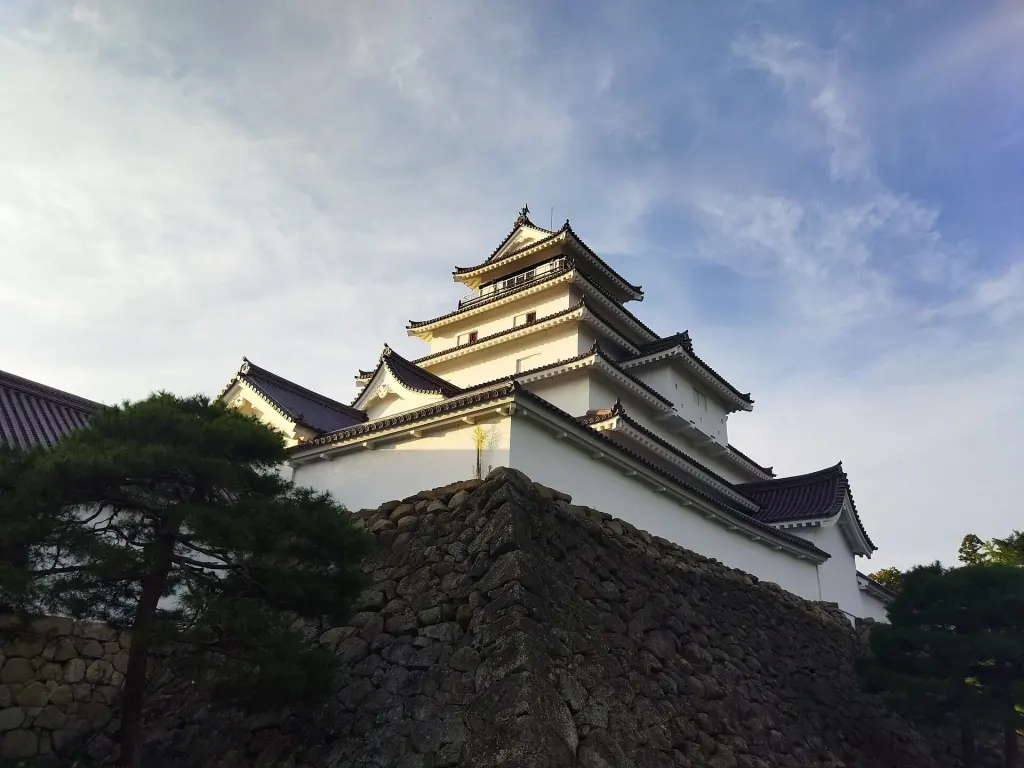
Image: Bernie Ongewe (Simpleharmonicmotion) / Wikimedia Commons · CC BY-SA 4.0
Overview
Castle town, war memory,
and a living regional city.
Aizuwakamatsu is the historic centre of the wider Aizu region. Its streets and institutions layer medieval Kurokawa, early-modern domain government, the 1868 siege, reconstruction, craft production, tourism, and ordinary urban life.
Tsuruga Castle, roads, quarters, temples, markets, and water systems organised political space.
The Boshin War remains central, but no single story contains all military and civilian experience.
Museums and heritage sites coexist with homes, schools, hospitals, workshops, and transport.
- Japanese name
- 会津若松市
- Prefecture
- Fukushima Prefecture
- Region
- Tōhoku, in the Aizu Basin
- Former name
- Kurokawa; renamed Wakamatsu in the late sixteenth century
- Historic centre
- Tsuruga Castle and the Aizu domain castle town
- Major historical turning point
- Siege of Aizu in 1868 during the Boshin War
- Present municipal status
- City since 1899; renamed Aizuwakamatsu in 1955
- Representative crafts
- Aizu lacquerware and painted candles
01 Name, setting, and scope
Aizu is the region; Aizuwakamatsu is its historic urban centre.
Aizu
The wider western Fukushima area and its historical domain.
Wakamatsu
The castle town name established in the late sixteenth century.
Aizuwakamatsu
The city name adopted in 1955, joining regional and urban identity.
Aizuwakamatsu lies in the Aizu Basin, separated from Fukushima Prefecture's Pacific side by mountain ranges. The city's rivers, surrounding agricultural land, snowy winters, and routes across the interior shaped its development as a regional centre. 'Aizu' may refer to the wider western Fukushima area and its historical domain, whereas Aizuwakamatsu is the modern municipality at its political and cultural centre.
The urban name has changed with political rule. The medieval settlement was known as Kurokawa. Gamō Ujisato renamed it Wakamatsu while rebuilding the castle and town in the 1590s. The compound Aizuwakamatsu became the municipal name in 1955, making the regional relationship explicit.
02 From Kurokawa to Wakamatsu
Kurokawa became a designed castle town under changing rulers.
- Late 14th century
Kurokawa under the Ashina
A castle and settlement formed under a family that dominated Aizu for generations.
- 1590
Gamō Ujisato arrives
Hideyoshi transferred the territory after Date Masamune's brief control.
- 1593
Wakamatsu castle town
Rebuilding reorganised fortification, roads, quarters, temples, markets, and water.
- 1643 onward
Hoshina-Matsudaira rule
The domain centre developed within the Tokugawa political order.
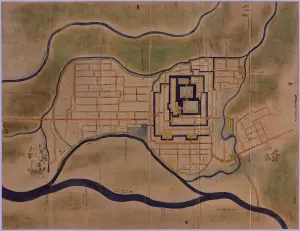
A castle was established at Kurokawa in the late fourteenth century under the Ashina, a family that dominated the Aizu area for generations. In 1590, after Date Masamune's brief control, Toyotomi Hideyoshi transferred the territory to Gamō Ujisato. Ujisato began a large-scale rebuilding that reorganised both the fortification and the settlement around it.
City records date the name Wakamatsu and the formation of the early modern castle town to 1593. Roads, residential quarters, temples, markets, and water systems reflected the needs of defence, administration, and commerce. Later rulers modified the plan, so the surviving city is the result of several regimes rather than one founding moment.
03 Tsuruga Castle and the Aizu domain
Castle, domain, and town formed one governing system.
Castle
Military and administrative centre
Domain institutions
Education · agriculture · forestry · crafts
Town and region
Retainers · artisans · merchants · religious communities
Tsuruga Castle, also called Aizuwakamatsu Castle, became the centre of the Aizu domain. The keep was reconstructed in a major rebuilding completed in 1639, while moats, gates, enclosures, and the surrounding town organised political and military space. From 1643 the Hoshina-Matsudaira house governed Aizu under the Tokugawa order.
Domain government supported samurai education, agriculture, forestry, crafts, and commerce. Nisshinkan domain school trained retainers, while local production included lacquerware and brewing. The domain's reputation for discipline and loyalty was strengthened by later memory, but everyday Aizu society also included farmers, artisans, merchants, religious communities, and travel networks.
04 The Boshin War and the 1868 siege
The 1868 siege reshaped lives, memory, and identity.
Month-long siege
Aizu resisted the new imperial government before surrendering in 1868.
Deaths and displacement
Military and civilian lives were altered by combat, damage, and defeat.
Byakkotai
Teenage retainers became central to later memorial narratives.
Multiple perspectives
Women, civilians, opposing forces, and political decisions broaden the record.
Aizu supported the Tokugawa shogunate during the political crisis that became the Boshin War. In 1868 forces of the new imperial government entered the region and besieged Tsuruga Castle. The domain surrendered after about a month, and the conflict caused military and civilian deaths, damage, displacement, and a lasting sense of defeat.
The Byakkotai, a group of teenage samurai retainers, became a powerful symbol after members died at Iimoriyama in the mistaken belief that the castle had fallen. Memorial narratives have often concentrated on elite sacrifice. Museums and historical research also examine civilians, women, opposing forces, political decisions, and the longer consequences of the war.
05 Modern city and castle reconstruction
The keep is a modern reconstruction with a changing historical argument.
- 1874
Damaged buildings dismantled
The former castle landscape entered a new modern phase.
- 1899
Modern city
Wakamatsu reorganised as a city as railways and institutions changed the town.
- 1965
Keep reconstructed
A reinforced-concrete museum and landmark replaced the absent feudal keep.
- 2011
Red roof tiles
Renovation revised the visual interpretation using late Edo-period evidence.
The damaged castle buildings were dismantled in 1874, and Wakamatsu reorganised as a modern city in 1899. Railways, schools, industry, and new government institutions altered the castle-town landscape, while older streets and place names continued to shape urban orientation. Municipal mergers produced the present name Aizuwakamatsu in 1955.
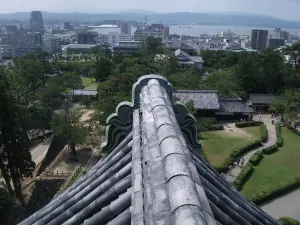
The castle keep was reconstructed in reinforced concrete in 1965 as a museum and city landmark. It is not a surviving feudal structure. A 2011 renovation replaced dark roof tiles with red tiles based on historical evidence for the late Edo-period castle, showing how reconstruction can itself change as research and public interpretation develop.
06 Urban heritage
The city is a layered record, not an unchanged set.
Moats, earthworks, place patterns
Physical fabric and urban orientation that remain from earlier periods.
Buildings, gardens, districts
Heritage whose present form reflects intervention and changing use.
Keep and visitor interpretation
Modern structures that make an evidence-based version of the past visible.
Aizuwakamatsu's historic environment extends beyond the reconstructed keep. The castle grounds, surviving moats and earthworks, temple districts, former samurai areas, commercial streets, gardens, and archaeological sites reveal how the town was organised. Oyakuen, a domain garden with a medicinal-herb tradition, preserves another aspect of governance and learned culture.
Not every building is original to the Edo period, and restored sites vary in age and method. Maps, excavation reports, designated properties, and city histories help visitors distinguish surviving fabric, reconstruction, relocation, and modern streetscape design. This layered reading avoids treating the whole city as an unchanged historical set.
07 Crafts, food, and everyday culture
Crafts connect domain policy, household use, and present markets.
Aizu-nuri
Bowls, boxes, decorative techniques, and modern workshop products.
Painted candles
Craft objects linked with specialised workshops, festivals, and households.
Rice, water, preservation
Basin conditions support sake brewing and a distinctive inland food culture.
Rinkaku
A reconstructed tea room associated with the Sen family tradition.
Aizu lacquerware developed through domain support and regional trade, encompassing bowls, boxes, decorative techniques, and modern products. Painted candles, cotton textiles, and other crafts connect specialised workshops with festival and household use. Apprenticeship and small businesses remain important, even as makers adapt materials and designs for new markets.
The basin's water, rice production, and climate support sake brewing and a distinctive food culture. Local dishes and preserved foods reflect seasonal resources and inland conditions, though today's restaurant presentation also responds to tourism. Tea culture is represented by Rinkaku, a tea room associated with the Sen family tradition and reconstructed within the castle grounds.
08 Memory, museums, and regional identity
Museums preserve different selections of the past.
The Fukushima Museum, Aizu Bukeyashiki, castle museum, Byakkotai sites, temples, and local archives present different versions of regional history. Their objects and narratives range from archaeology and natural history to samurai households, war memory, craft, and modern life. Comparing institutions makes visible the choices involved in public history.
Aizu identity is often expressed through resilience, loyalty, and a sense of distance from the victorious Meiji state. These themes remain culturally meaningful but should not be mistaken for a single opinion shared by all residents. Migration, municipal change, disaster recovery, education, and tourism continue to reshape how the city represents itself.
09 The present-day city and access
A working regional city surrounds the heritage itinerary.
- 01
Map the municipality
Separate central heritage sites from destinations elsewhere in the wider Aizu region.
- 02
Plan the connection
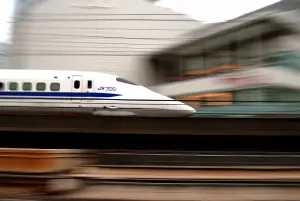
Rail access commonly runs through Kōriyama or Niigata, then local trains and buses.
- 03
Check the season
Snow, festivals, and autumn demand can materially change travel conditions.
- 04
Verify current details
Use transport operators and official tourism sources for live opening and service information.
Aizuwakamatsu is a working regional city whose hospitals, schools, businesses, residential districts, and transport systems coexist with heritage tourism. The wider area connects the urban centre to Lake Inawashiro, Bandai landscapes, hot-spring towns, farms, and former post towns. Visitors should distinguish these regional destinations from sites within the municipal centre.
Rail access commonly runs through Kōriyama or Niigata, with local trains and buses serving Aizuwakamatsu Station and historic districts. Seasonal weather matters: heavy snow can affect winter travel, while festivals and autumn foliage bring periods of high demand. Current transport and opening information should be checked with operators and official tourism sources.
Sources
Last updated: