Historic Cities
Nikkō
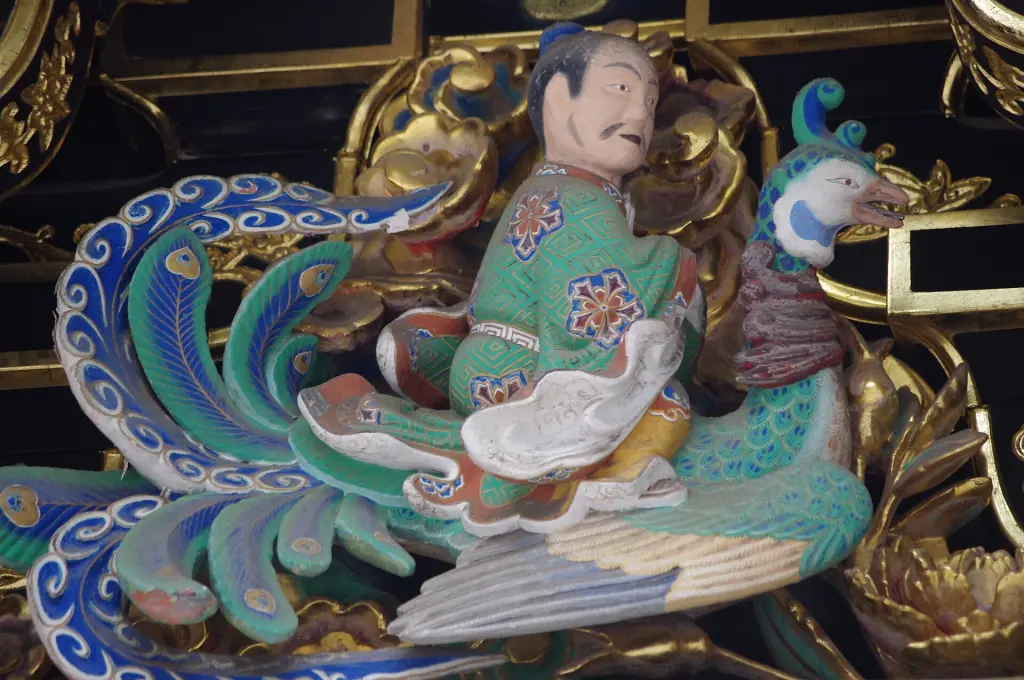
Image: Jakub Hałun / Wikimedia Commons · CC BY-SA 4.0
Nikkō is a city in Tochigi Prefecture in the northern Kantō region. Its name is closely associated with a sacred mountain landscape developed through Buddhist practice, kami worship, pilgrimage, and ascetic traditions from at least the eighth century. The best-known precinct contains Nikkō Tōshōgū, Futarasan Jinja, and Rinnō-ji. Together, their defined buildings and grounds form the UNESCO property Shrines and Temples of Nikkō, closely linked with Tokugawa Ieyasu and later shogunal patronage. The municipality is much larger than this heritage precinct: it also includes Lake Chūzenji, Kegon Falls, Oku-Nikkō, Kinugawa Onsen, rural communities, and extensive mountain terrain. The UNESCO property, Nikkō National Park, and Nikkō City overlap geographically but are not interchangeable designations.
Overview
| Japanese name | 日光市 |
|---|---|
| Romanization | Nikkō-shi |
| Prefecture | Tochigi Prefecture |
| Region | Kantō |
| Sacred-site formation | Associated with mountain worship and Buddhist activity from the eighth century |
| UNESCO property | Shrines and Temples of Nikkō, inscribed in 1999 |
Name and municipal scope
Nikkō is written with characters meaning “sunlight.” In common travel use, the name may refer narrowly to the shrine-and-temple area, to the mountain and lake district, or to the modern municipality formed from several communities.
The city extends from the historic center into valleys and highlands near the borders of Fukushima and Gunma prefectures. This wide geography explains why a visit to the World Heritage precinct differs substantially from travel to Kinugawa, Lake Chūzenji, Senjōgahara, or the remote hot-spring districts.
Sacred mountains and Shōdō Shōnin
Tradition credits the monk Shōdō Shōnin with establishing Buddhist practice in the Nikkō mountains during the eighth century. Mountain asceticism, local kami, Buddhist deities, pilgrimage routes, and sacred peaks became interconnected over the following centuries.
Futarasan Jinja centers worship of Nikkō’s mountains, while Rinnō-ji represents Buddhist institutions with their own complex histories. Later policies separating Shinto and Buddhism changed administration and interpretation, but the landscape preserves evidence of their long interaction.
Tōshōgū and Tokugawa memory
Tokugawa Ieyasu died in 1616 and was enshrined at Nikkō. The third shogun, Iemitsu, sponsored the lavish seventeenth-century rebuilding that established much of Tōshōgū’s celebrated architectural and sculptural character. Iemitsu’s own mausoleum, Taiyūin, stands within the Rinnō-ji complex.
Color, lacquer, gilding, carving, spatial procession, and political ritual distinguish these monuments. Their fame should not erase the site’s earlier sacred history or reduce Nikkō to a memorial for one ruler.
The World Heritage property
UNESCO’s Shrines and Temples of Nikkō comprise 103 religious buildings within two Shinto shrines—Tōshōgū and Futarasan Jinja—and one Buddhist temple, Rinnō-ji, together with their natural setting. Many buildings date from the seventeenth century, while the sacred landscape has older roots.
The inscription concerns specific property and buffer-zone boundaries, not all of Nikkō City. Conservation includes fire prevention, structural repair, traditional materials and techniques, management of active religious use, and protection of the forested setting.
Architecture, symbols, and syncretism
Yōmeimon Gate, carved storehouses, pagodas, worship halls, corridors, and mausoleum approaches use dense visual programs involving animals, plants, mythical beings, and auspicious motifs. The famous three monkeys and sleeping cat are small parts of a much larger decorative system.
The proximity of Shinto and Buddhist institutions reflects historical interaction rather than simple architectural similarity. Visitors should identify each precinct and its worship practices instead of treating the entire complex as one temple or one shrine.
Lake, waterfalls, and national park
The road and former pilgrimage route ascend from the historic center toward Lake Chūzenji, Kegon Falls, Mt. Nantai, Senjōgahara, Yumoto Onsen, and Oku-Nikkō. Volcanic landforms, wetlands, forests, and high elevation create environmental conditions distinct from the lower city.
Nikkō National Park protects landscapes extending beyond the World Heritage property and municipal tourism center. Weather, snow, wildlife, road conditions, and seasonal traffic affect access. Nature tourism and religious history meet here but require different forms of preparation and stewardship.
Visiting and responsible use
JR Nikkō and Tōbu-Nikkō stations serve the historic area, while buses connect the World Heritage precinct with Lake Chūzenji and Oku-Nikkō. Travel times vary sharply with season and congestion, so current transport information should be checked before combining distant areas in one day.
The shrines and temples remain active religious institutions. Visitors should follow individual rules on worship, photography, footwear, closed areas, and conservation work. Mountain routes require separate attention to weather, clothing, trail conditions, and daylight.
Sources
Last updated: