Manga
YAWARA!
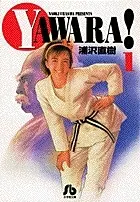
Image: Naoki Urasawa; © Shogakukan / Shogakukan Comic official product page · Copyrighted; limited low-resolution identification and critical commentary
YAWARA! is a manga written and drawn by Naoki Urasawa and serialized in Shogakukan’s Big Comic Spirits from 1986 to 1993. Its heroine, Yawara Inokuma, has been trained in judo from childhood by her grandfather Jigorō, who plans an Olympic gold medal and the People’s Honour Award for her. Yawara instead wants an ordinary youth, creating the central tension between exceptional ability, family ambition, public attention, and personal choice. The series was collected in twenty-nine original volumes and won the 35th Shogakukan Manga Award in the general category. Its combination of sport, romantic comedy, news media, and an Olympic timetable made women’s judo visible to a broad popular audience. A long-running television anime and other screen adaptations followed.
Overview
| Japanese title | YAWARA! |
|---|---|
| Creator | Naoki Urasawa |
| Medium | Manga |
| Serialization | Big Comic Spirits, 1986–1993 |
| Original collected edition | 29 volumes |
| Award | 35th Shogakukan Manga Award, general category |
| Principal subject | Women’s judo, celebrity, and coming of age |
Publication history
Shogakukan serialized YAWARA! in Big Comic Spirits for seven years and collected it in twenty-nine volumes. Later Bunko and twenty-volume complete editions reorganized the chapters. A digital “complete edition” was subsequently divided again into twenty-nine files, so the label on a digital volume does not necessarily correspond to the original print pagination.
Premise and central conflict
Yawara possesses elite skill before the story begins. Her problem is not learning that she can win, but deciding what winning means when Jigorō, reporters, rivals, sponsors, and the public claim parts of her future. The manga’s comic energy comes from the mismatch between grand sporting plans and Yawara’s desire for clothes, friendship, education, work, and romance.
Judo and character
Techniques such as tomoe-nage identify Yawara visually, while training and international opponents establish a recognizable competitive world. Yet matches are also character tests shaped by reluctance, confidence, responsibility, and spectatorship. The narrative uses judo’s individual contest format to stage questions about autonomy without suggesting that real athletes share Yawara’s fictional psychology.
Media and celebrity
Sports reporter Kōsaku Matsuda sees Yawara as a career-defining story, and the press becomes an active force in the plot. Headlines, staged appearances, sponsorship, and televised expectation transform a private skill into national entertainment. This satirical layer distinguishes the series from a closed school-club narrative and anticipates the intensified media environment around women’s Olympic sport.
Olympic time
The story develops against real changes in women’s judo: demonstration status at the 1988 Seoul Games and full medal status at Barcelona in 1992. Fictional opponents and results are woven into that calendar. The overlap gives the manga historical immediacy, but its competitions should not be confused with the records of actual judoka.
Screen adaptations
A live-action film appeared in 1989. The television anime, produced by Madhouse, began in October 1989 and ran for 124 episodes through 1992, followed by additional animated works. Adaptations changed pacing and emphasis while greatly expanding the characters’ public presence beyond manga readers.
Award and reception
YAWARA! received the 35th Shogakukan Manga Award in the general category. Shogakukan has described it as a work that produced a women’s judo boom, while scholarship has examined its representation of Japan, international rivalry, and women athletes. Such claims concern cultural reception; they do not make the manga the sole cause of later growth in women’s judo.
Legacy
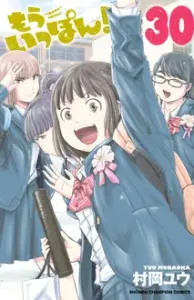
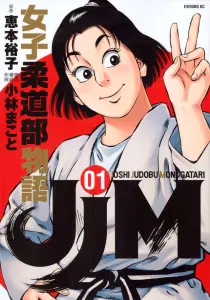
The series helped establish Urasawa as a major solo creator before his later thrillers. More specifically, it demonstrated that a women-led sports story could sustain long-form comedy, romance, and social observation without abandoning technical competition. Its continuing editions place it beside Mō Ippon! and JJM as a reference point for the changing popular image of women’s judo.
Sources
- Kodokan Judo Institute, History and Founding Principles.
- University of Tokyo Repository, study summary discussing Jūdōbu Monogatari.
- Japan Media Arts Festival, Manga Division archive.
- Agency for Cultural Affairs, Media Arts Database.
- Shogakukan Comic, YAWARA! volume 1.
- Shogakukan eComic Store, YAWARA! Complete Digital Edition.
- Shogakukan Manga Award, past winners.
- Tokyo University of Foreign Studies, dissertation on national representation in sports manga.
Last updated: