

Manga Cafes
An overview of Japan’s manga kissa, time-charged reading spaces that evolved into multifunction internet cafés with booths, drinks, media, and overnight use.
An overview of Japan’s manga kissa, time-charged reading spaces that evolved into multifunction internet cafés with booths, drinks, media, and overnight use.
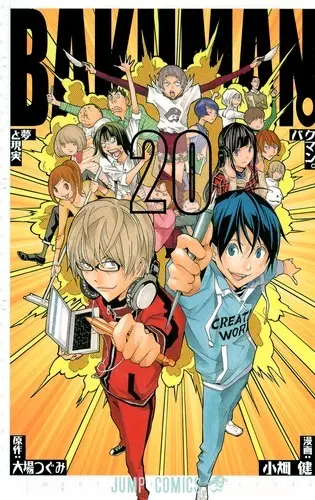
Bakuman is a manga about two teenagers pursuing professional serialization, using fiction to depict editorial work, rankings, deadlines, authorship, and adaptation in the manga industry.
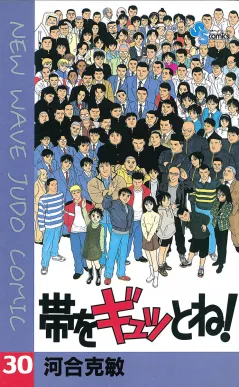
Obi o Gyutto Ne! is Katsutoshi Kawai’s 30-volume school judo manga, combining technical competition, team development, humour, friendship, and the creation of a new club.
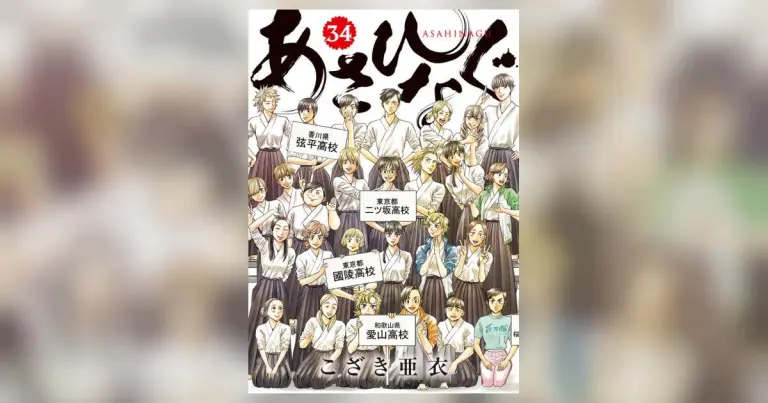
Asahinagu is Ai Kozaki’s 34-volume manga about a novice joining a girls’ high-school naginata club, combining training, team competition, friendship, failure, and adaptation.
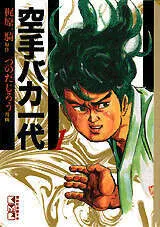
Karate Baka Ichidai is an influential 1970s karate manga that fictionalized the life and legends of Masutatsu Oyama, mixing biography, reportage, spectacle, and martial-arts mythmaking.

Evil Heart is Tomo Taketomi’s six-volume manga about an angry twelve-year-old whose encounter with aikido changes how he understands strength, conflict, family violence, and responsibility.

Shōha Shōten! is a manga by Akinari Asakura and Takeshi Obata about two high-school students forming a manzai duo and competing through writing, rehearsal, timing, and performance.
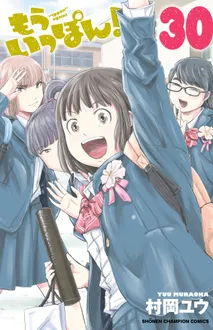
Mō Ippon! is Yu Muraoka’s thirty-volume manga about a girls’ high-school judo team, friendship, technical growth, and the pleasures of continuing competition together.
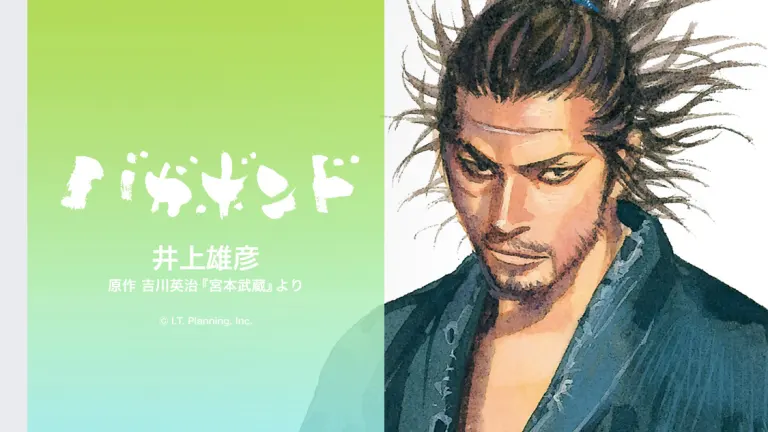
Vagabond is Takehiko Inoue’s manga reimagining of Miyamoto Musashi through Eiji Yoshikawa’s novel, combining sword combat with a long inquiry into strength and human connection.
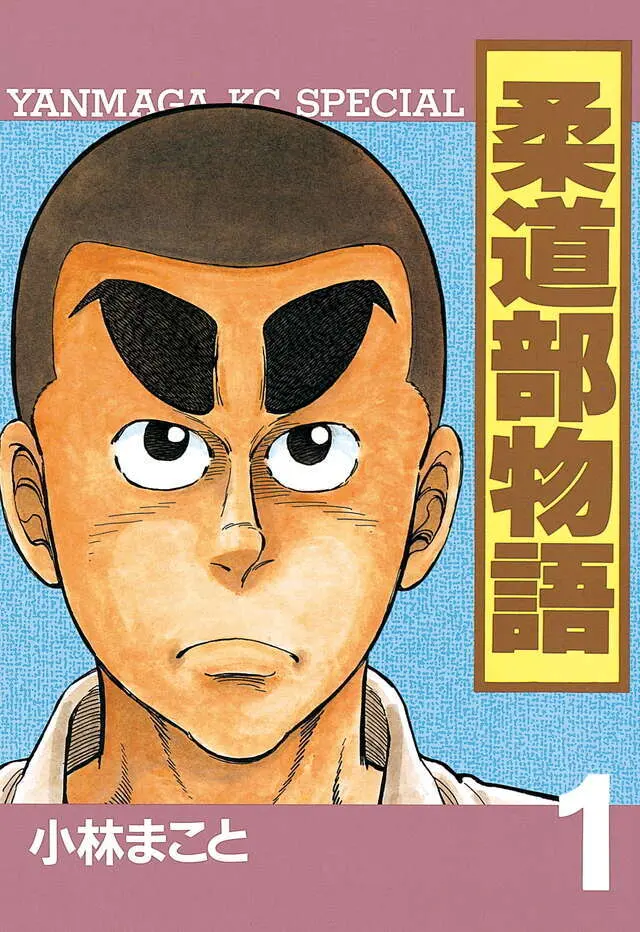
Jūdōbu Monogatari is Makoto Kobayashi’s 1985–1991 manga about a novice who grows through the demanding culture and competition of a Japanese high-school judo club.