Manga
Karate Baka Ichidai
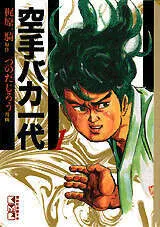
Image: Ikki Kajiwara and Jirō Tsunoda; © Kodansha / Kodansha official product page · Copyrighted; limited low-resolution identification and critical commentary
Karate Baka Ichidai (空手バカ一代) is a martial-arts manga written by Ikki Kajiwara, first drawn by Jirō Tsunoda and later by Jōya Kagemaru. Serialized by Kodansha in Weekly Shōnen Magazine during the 1970s, it transformed accounts of Masutatsu Oyama and the development of Kyokushin Karate into a dramatic quest for strength and spiritual purpose. The manga combined biographical claims, fictional names, reported episodes, staged confrontations, and legendary feats. A 47-episode television anime broadcast from October 1973 to September 1974 used the fictional protagonist Ken Asuka while retaining the broad narrative. The franchise had major influence on popular images of full-contact karate, but it is not a reliable standalone biography of Oyama or a neutral history of postwar karate.
Overview
| Japanese title | 空手バカ一代 |
|---|---|
| Romanization | Karate Baka Ichidai |
| Writer | Ikki Kajiwara |
| Artists | Jirō Tsunoda; later Jōya Kagemaru |
| Original magazine | Weekly Shōnen Magazine |
| Publisher | Kodansha |
| Anime | 47 episodes, 1973–1974 |
Publication
Kodansha serialized the manga in Weekly Shōnen Magazine from 1971 through the decade, with Tsunoda drawing the earlier portions and Kagemaru taking over later. It appeared in a long original comics edition and several subsequent reissues, including a 17-volume Kodansha manga-bunko edition.
Oyama and fiction
The central figure is based on Masutatsu Oyama, but the work reshapes chronology, names, encounters, and motivations. Some episodes derive from stories promoted around Oyama; others function as dramatic invention. The result belongs to a hybrid tradition of biographical manga, sports reportage, and heroic legend rather than documentary biography.
Depiction of karate
Training in isolation, breaking demonstrations, tournaments, cross-style matches, and conflict over contact rules build the series' image of karate. It contrasts supposedly practical full-contact strength with institutions it portrays as rigid or compromised. That opposition is narratively powerful but simplifies the diversity of Karate schools and postwar debates.
Myth and spectacle
Extreme endurance, animal fights, travel, and challenges to other fighters produce a superhuman register. Such scenes helped attach memorable myths to Oyama and Kyokushin. Historical analysis must separate verifiable events, retrospective testimony, promotional storytelling, and scenes created for the weekly serial.
Television anime
TMS's television adaptation ran for 47 episodes from 3 October 1973 to 25 September 1974. It renamed the protagonist Ken Asuka and combined animation with elements presented as realism. The anime's music, narration, and broadcast reach made the franchise's version of karate accessible beyond manga readers.
Influence
The work shaped later combat-sports manga and public expectations about what a karate founder's life should look like. It promoted an image of harsh training, direct testing, and individual conviction that resonated with the rise of Kyokushin, while also spreading claims that require independent historical verification.
Reading critically
The manga is most useful as evidence of martial-arts popular culture in 1970s Japan: it shows how magazines, television, promotion, and personal legend could reinforce one another. It should be compared with institutional histories and scholarship, especially when scenes are cited as facts about Oyama, rival schools, or actual contests.
Sources
- National Diet Library, Research Guide to Manga.
- Japan Magazine Publishers Association, Association Outline.
- Kyokushin Kaikan, History and Founder Masutatsu Oyama.
- Nippon Budokan, Introduction of Karate-do.
- Kodansha, Karate Baka Ichidai volume 1.
- Kodansha Manga IP Search, Karate Baka Ichidai volume 1.
- TMS Entertainment, Karate Baka Ichidai television series.
- National Diet Library Search, Karate Baka Ichidai records.
Last updated: