
Classical Literature
The Tale of the Heike
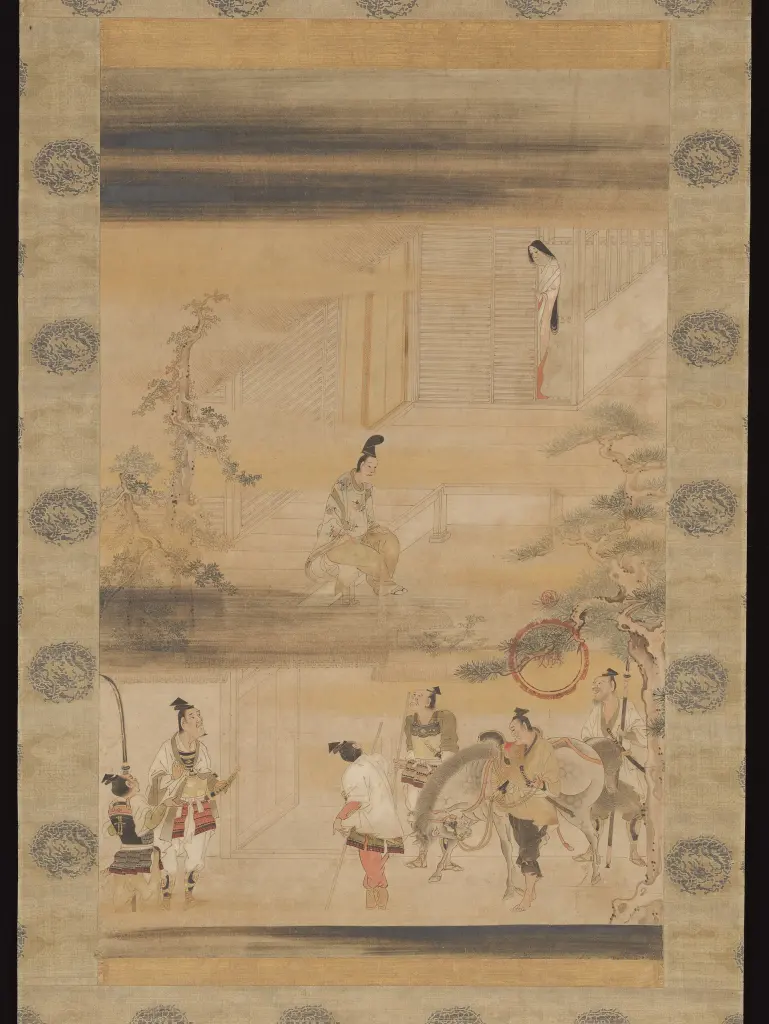
Image: Iwasa Matabei / The Metropolitan Museum of Art via Wikimedia Commons · CC0 1.0
The Tale of the Heike, or Heike monogatari, is a medieval Japanese war narrative centered on the rise and fall of the Taira clan and the conflicts culminating in the Genpei War of 1180–1185. Its famous opening frames political power through the Buddhist principle of impermanence, while later episodes combine court intrigue, battle, family loss, poetry, music, ritual, and renunciation. The work was not produced as one stable text by a securely known author. Written versions developed alongside recitation by performers often called biwa hōshi, and surviving manuscripts preserve different episode sequences, wording, and emphases. The commonly translated Kakuichi-bon is influential but not the only Heike. The tale shaped Noh, visual art, local legends, historical memory, and modern accounts of samurai culture while remaining literature rather than a straightforward battlefield chronicle.
Overview
| Japanese title | 平家物語 |
|---|---|
| Romanization | Heike monogatari |
| Form | Gunki monogatari, or war tale |
| Historical focus | The Taira clan and the Genpei War, 1180–1185 |
| Development | Thirteenth and fourteenth centuries, with multiple textual lineages |
| Transmission | Manuscripts, commentary, and biwa-accompanied recitation |
Name, authorship, and text
Heike is another reading associated with the Taira clan, and monogatari means tale or narrative. Medieval sources offer stories about authorship and revision, including court and monastic figures, but no single author can be established for the work in all its forms.
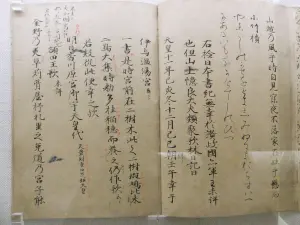
Surviving texts belong to recited and read lineages with substantial differences. The Kakuichi-bon, recorded in 1371, became central to modern editions and translations, yet other versions preserve additional episodes or different structures. “The text” must therefore be identified by recension.
Historical frame
The tale traces Taira no Kiyomori’s family from political dominance at the imperial court to displacement and military defeat by Minamoto forces. The Genpei War includes campaigns at Ichi-no-Tani, Yashima, and Dan-no-ura, where the Taira lost decisively in 1185.
Historical people and places anchor the narrative, but speeches, private scenes, supernatural signs, and carefully shaped deaths follow literary and religious purposes. The tale is evidence for later memory of the conflict as well as for the events it represents; it should be compared with chronicles and documents.
Narrative and characters
The narrative moves across a large cast rather than following one hero. Kiyomori’s ambition, Shigemori’s restraint, Koremori’s despair, Atsumori’s death, Kiso Yoshinaka’s campaign, Minamoto no Yoshitsune’s victories, and Kenreimon’in’s survival present different relations to loyalty, violence, family, and loss.
Women are central to political marriage, mourning, flight, religious retreat, and the preservation of memory, even when battle summaries receive more popular attention. The Initiates’ Book, included in some traditions, gives Kenreimon’in’s later religious life a powerful role in framing the Taira catastrophe.
Buddhist impermanence
The opening invokes the Gion Shōja bell and the fading flowers of the śāla tree to announce that prosperity declines. Impermanence, karmic consequence, attachment, and renunciation recur through dreams, omens, sermons, deaths, and encounters between warriors and religious figures.
A Buddhist frame does not make every defeat a simple moral punishment. The text can mourn attractive, cultivated, and courageous people on opposing sides while recognizing the violence that sustains power. Its emotional force depends on tension between worldly attachment and religious interpretation.
Biwa hōshi and performance
Heike narratives were recited to biwa accompaniment by performers conventionally called biwa hōshi, many of whom were blind men organized through professional networks. Melody, vocal delivery, formula, and audience shaped the work differently from silent manuscript reading.
Performance and writing interacted rather than representing pure oral and pure literary versions. Episodes could expand, contract, or circulate independently, while written texts preserved performance language. Current Heike biwa traditions maintain selected pieces, not an unchanged total performance from the medieval period.
Variants and historical reading
Textual lineages are often grouped broadly as recited and read versions, but variation is more complex than a two-part scheme. Manuscripts differ in books, chapters, names, chronology, and narrative detail. Modern editions regularize these differences for readability.
Famous episodes such as Atsumori’s death or Yoshitsune’s exploits may differ across Heike texts and other war tales. A responsible historical reading identifies the version being used and avoids treating later drama, local legend, or illustrated retelling as if it were identical to the medieval narrative.
Afterlives in theatre, art, and memory
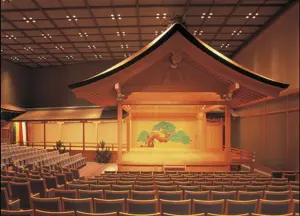
Noh plays such as Atsumori and Kiyotsune transform fallen warriors into ghosts seeking remembrance or release. Kabuki, jōruri, painting, screens, woodblock prints, fiction, film, television, and games have reworked Heike people and episodes for new audiences.
Battle sites, graves, temples, shrines, and regional traditions connect the tale to place. These afterlives keep the Taira and Minamoto conflict culturally visible, but they also accumulate layers of invention. The Heike is best understood as a changing memory system as well as a canonical work of classical literature.
Sources
- Columbia University Press, Traditional Japanese Literature: An Anthology, Beginnings to 1600.
- Columbia University Asia for Educators, The Tale of the Heike.
- Columbia University Press, The Tales of the Heike.
- The Metropolitan Museum of Art, Japan, 1000–1400 A.D..
- National Diet Library Collaborative Reference Database, English Translations of The Tale of the Heike.
- The Metropolitan Museum of Art, Taira no Koremori’s Farewell.
Last updated:
_MET_DP-19667-002.jpg)