
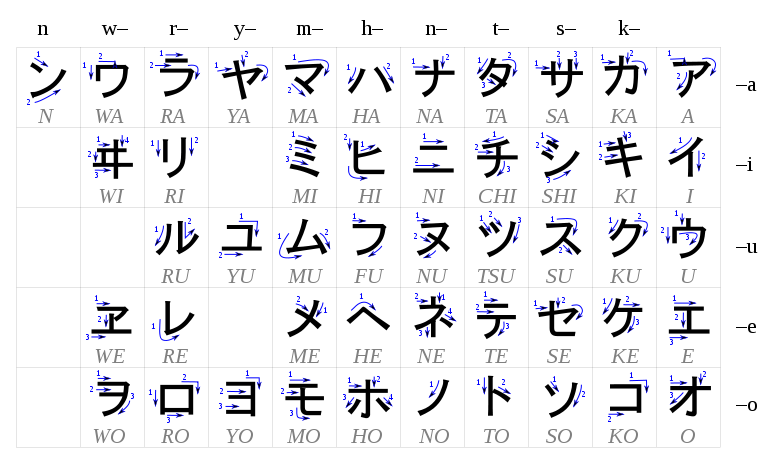
Katakana
Katakana is an angular Japanese kana script used for loanwords, names, technical terms, sound symbolism, transcription, and emphasis.
Katakana is an angular Japanese kana script used for loanwords, names, technical terms, sound symbolism, transcription, and emphasis.
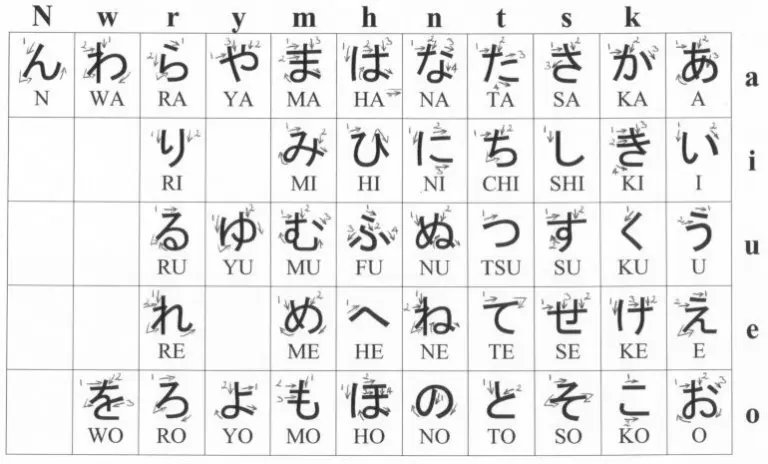
Hiragana is a cursive Japanese kana script used for grammatical endings, particles, readings, and many words written phonetically.
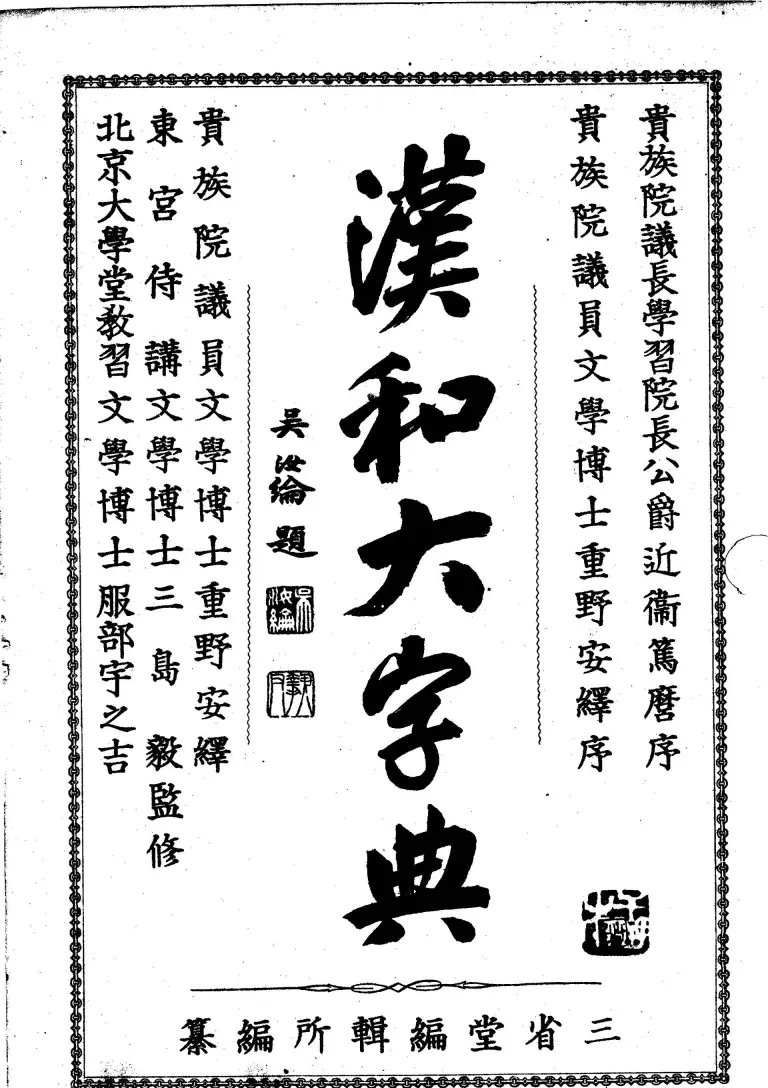
Kanji are Chinese-derived characters adapted to write Japanese words and morphemes through context-dependent meanings, readings, and combinations.
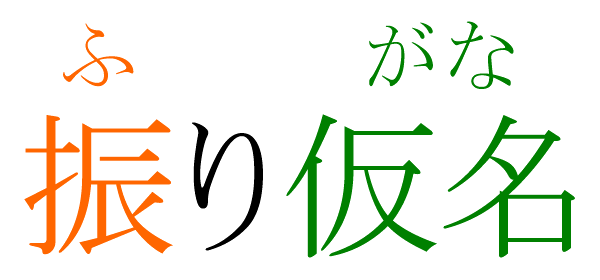
The Japanese writing system combines kanji, hiragana, katakana, and supporting symbols in a historically layered mixed-script orthography.
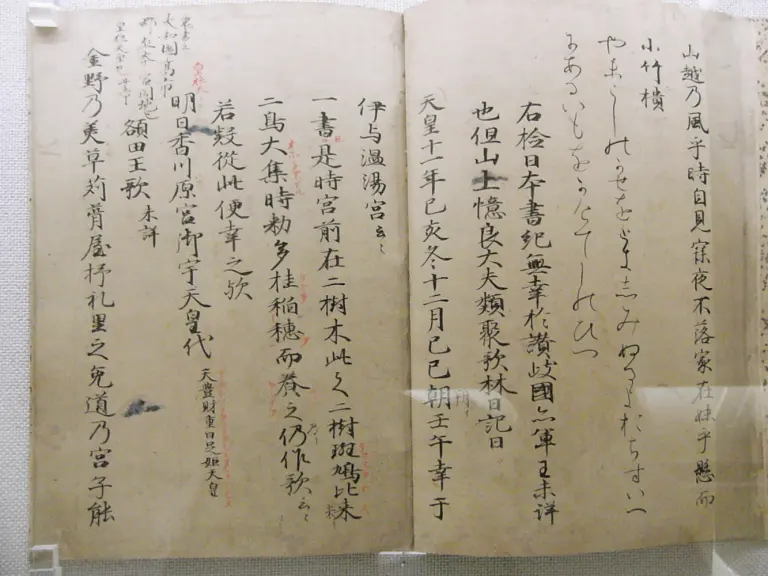
Man’yōgana is the historical use of Chinese characters for their sounds to record Japanese before hiragana and katakana developed.
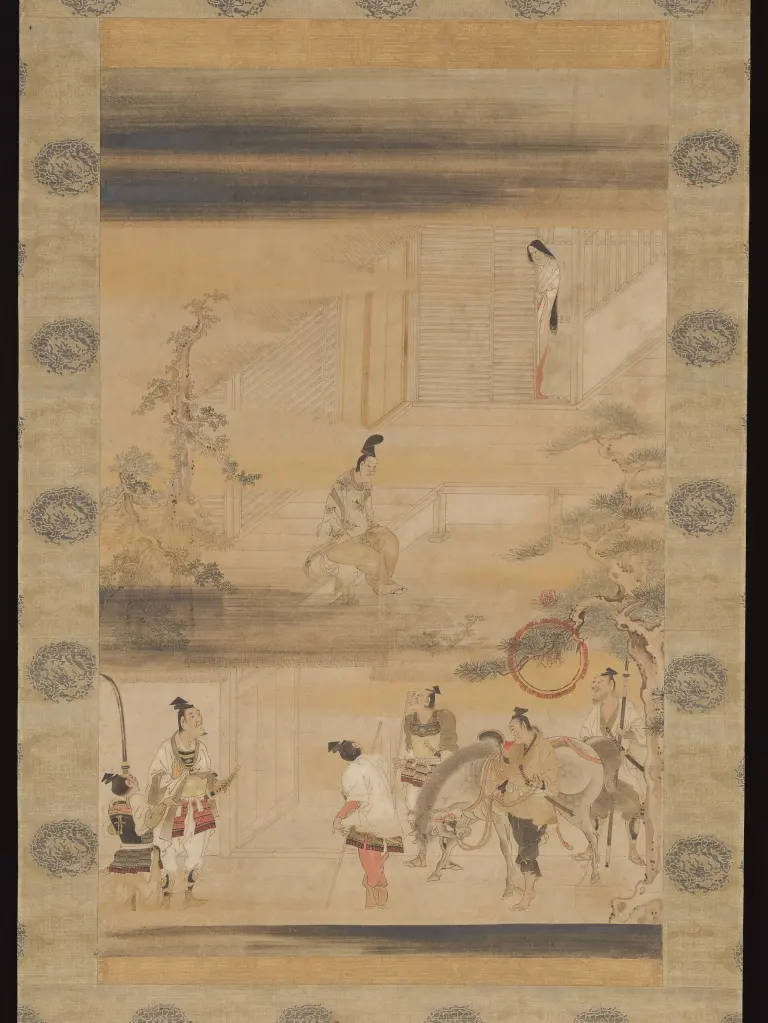
The Tale of the Heike is a medieval Japanese war narrative about the Taira clan’s fall, shaped by Buddhist impermanence, variant texts, and biwa-accompanied performance.
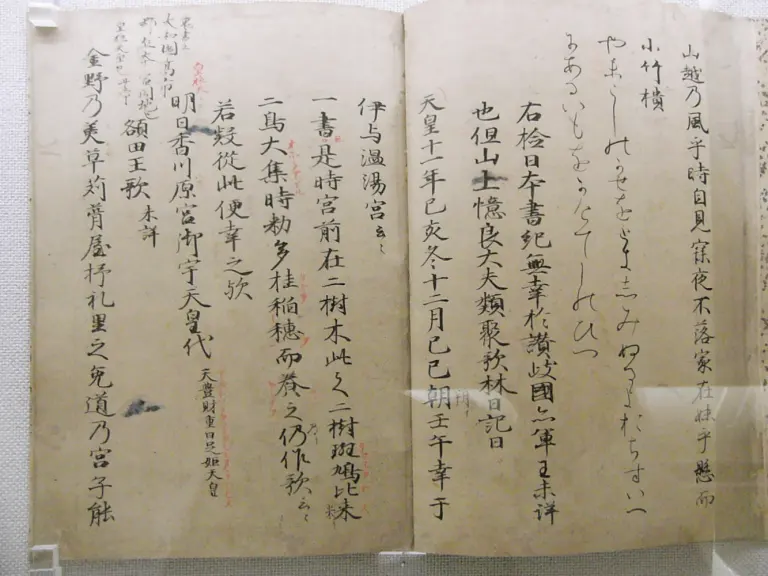
The Man’yōshū is Japan’s earliest surviving Japanese poetry anthology, preserving more than 4,500 poems from the seventh and eighth centuries.
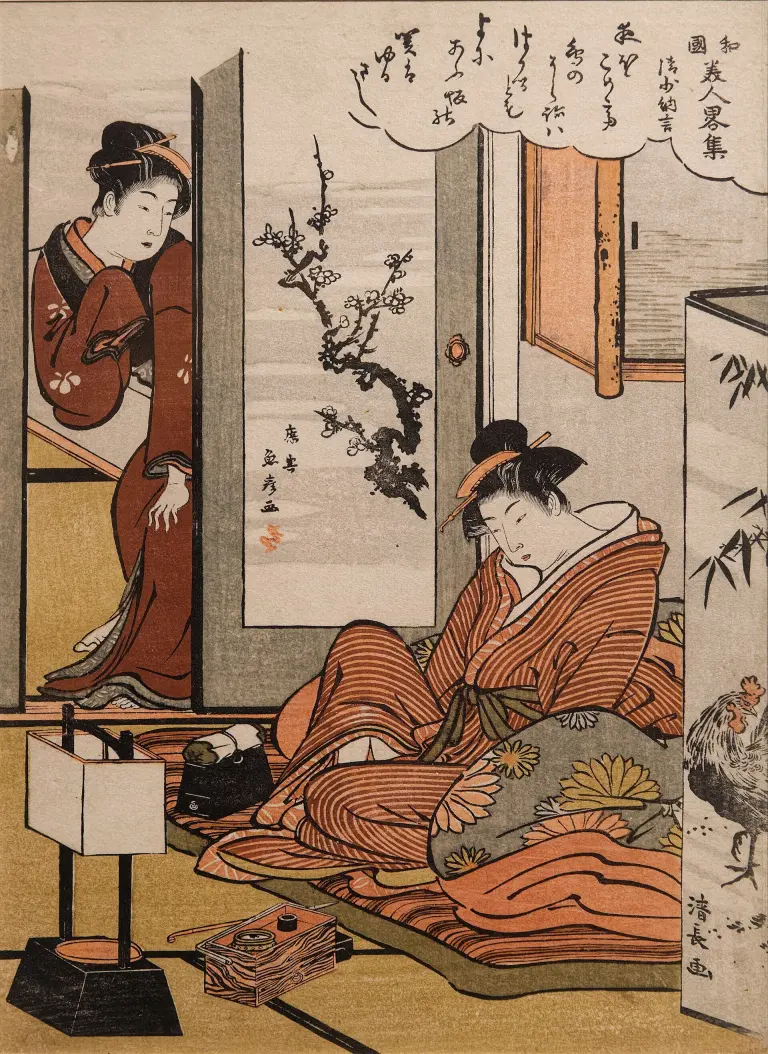
The Pillow Book combines lists, observations, anecdotes, poetry, and crafted memories of Sei Shōnagon’s life in the Heian court.
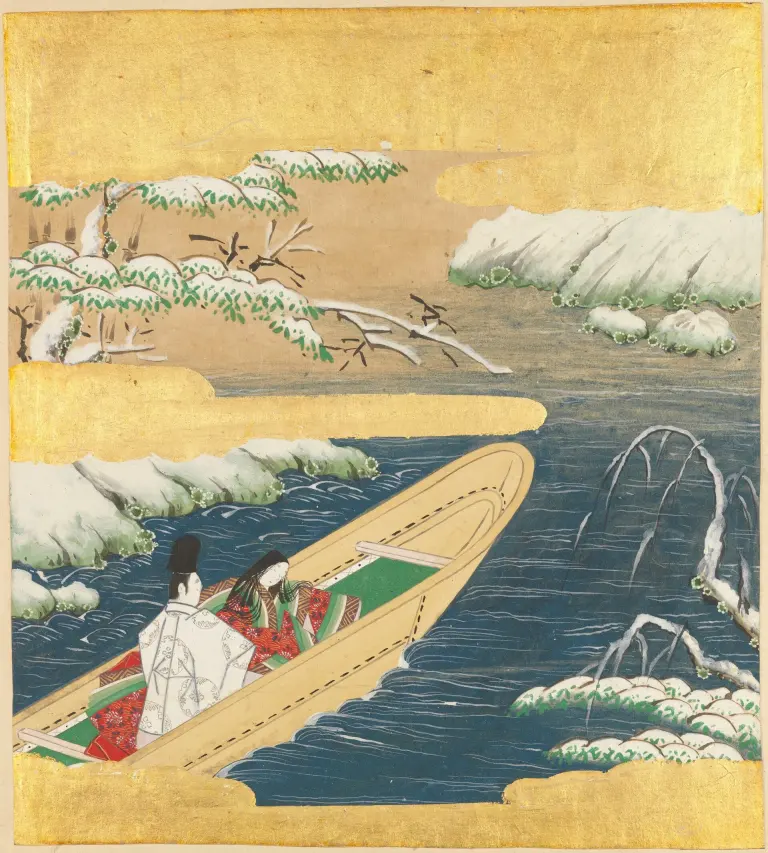
The Tale of Genji is an early eleventh-century Japanese court narrative attributed to Murasaki Shikibu, combining fiction, poetry, politics, and reflections on time and attachment.
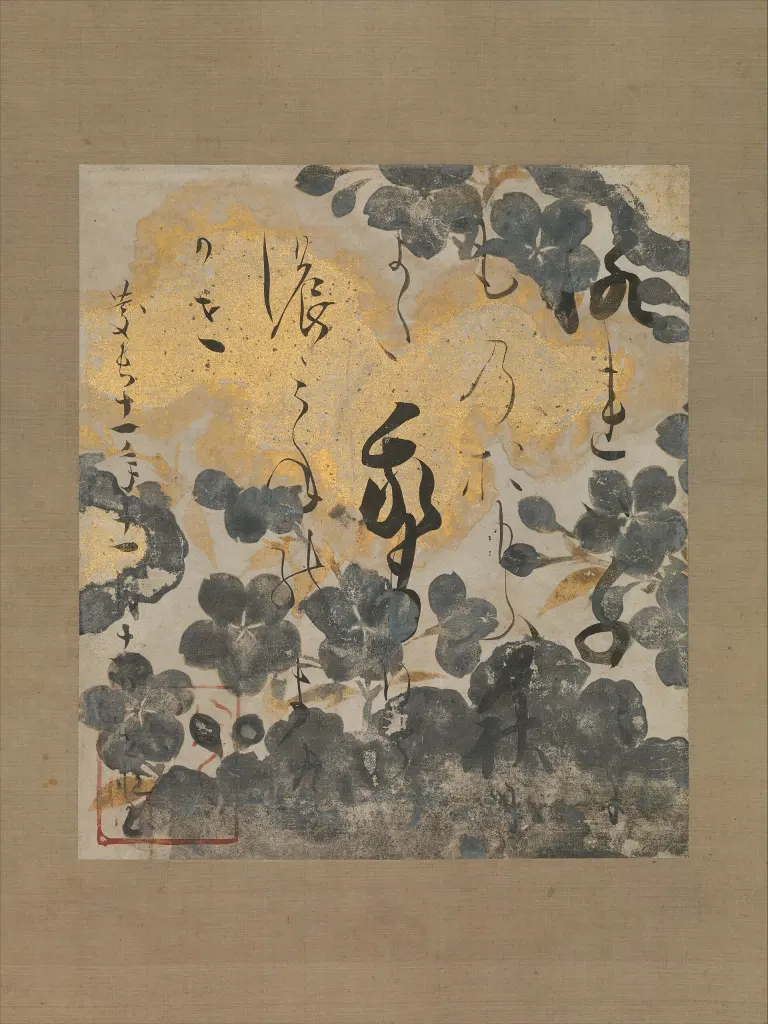
Classical Japanese literature encompasses ancient and medieval poetry, court narratives, essays, diaries, war tales, and religious writing preserved through changing textual traditions.