
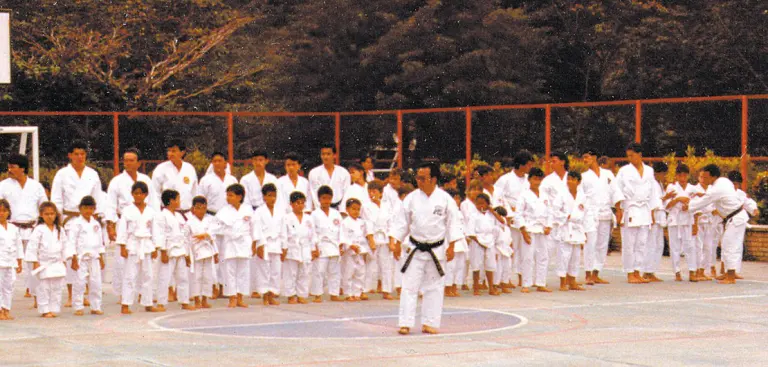
Karate Kata Directory
Browse sixteen published Karate kata guides by Japanese name, name family, variant label and documented tradition links.
Browse sixteen published Karate kata guides by Japanese name, name family, variant label and documented tradition links.

Jion is a Shuri-lineage kata and a documented first designated form in the JKF Shotokan column.

Heian Godan completes the named Heian five-form sequence; the JKA records 23 movements and assigns its version to 3rd kyū.
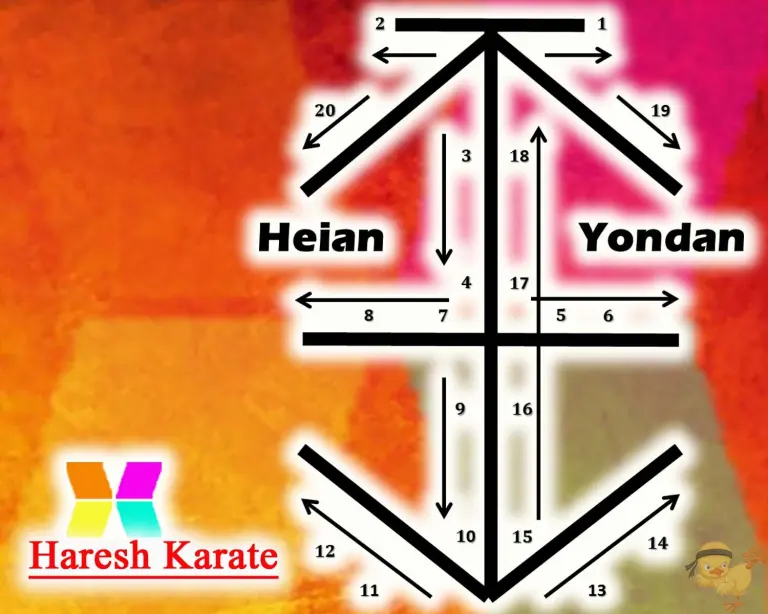
Heian Yondan is the fourth named Heian kata in the JKA syllabus, where its 27-movement version is assigned to 4th kyū.
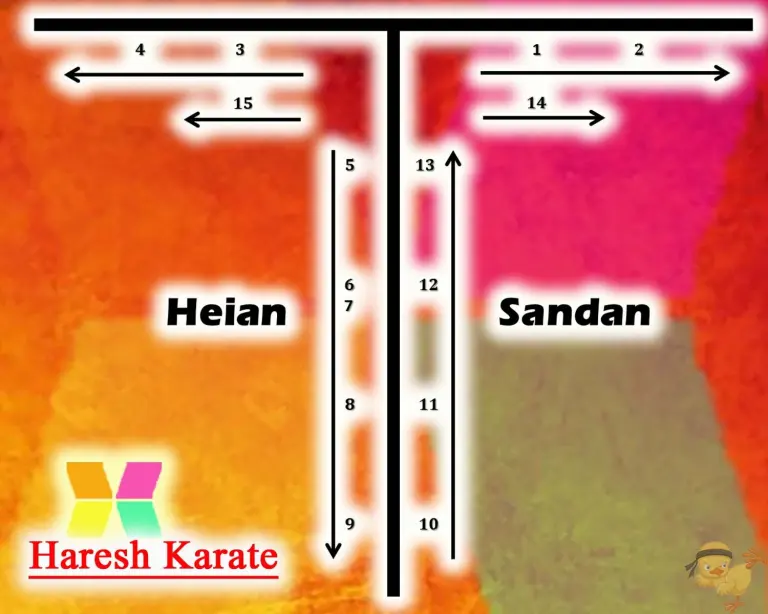
Heian Sandan is the third named Heian kata in the JKA syllabus, documented there as a 20-movement form for 5th kyū.
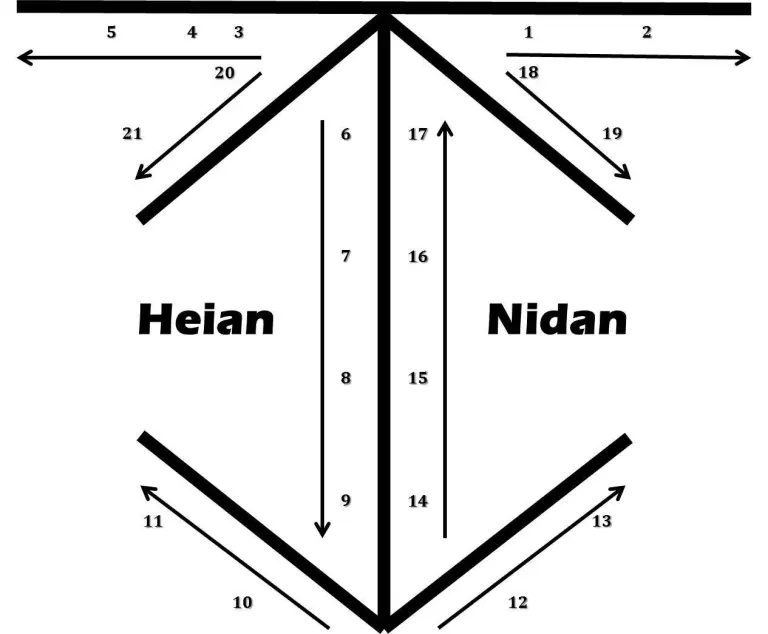
Heian Nidan is the second named Heian kata in the JKA syllabus; count, order and teaching emphasis remain organisation-specific.
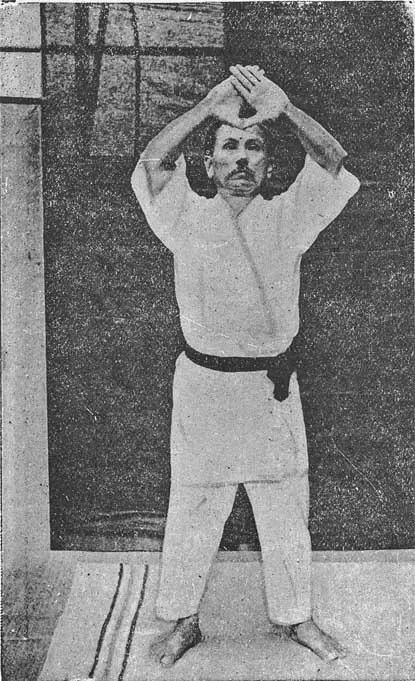
Kankū Dai is a major Shotokan kata related to the wider Kūshankū family, with organisation-specific counts, rhythm and technical detail.

Bassai Dai is a widely transmitted Karate kata whose Shotokan, Shitō-ryū and other versions share a name but not one fixed performance.
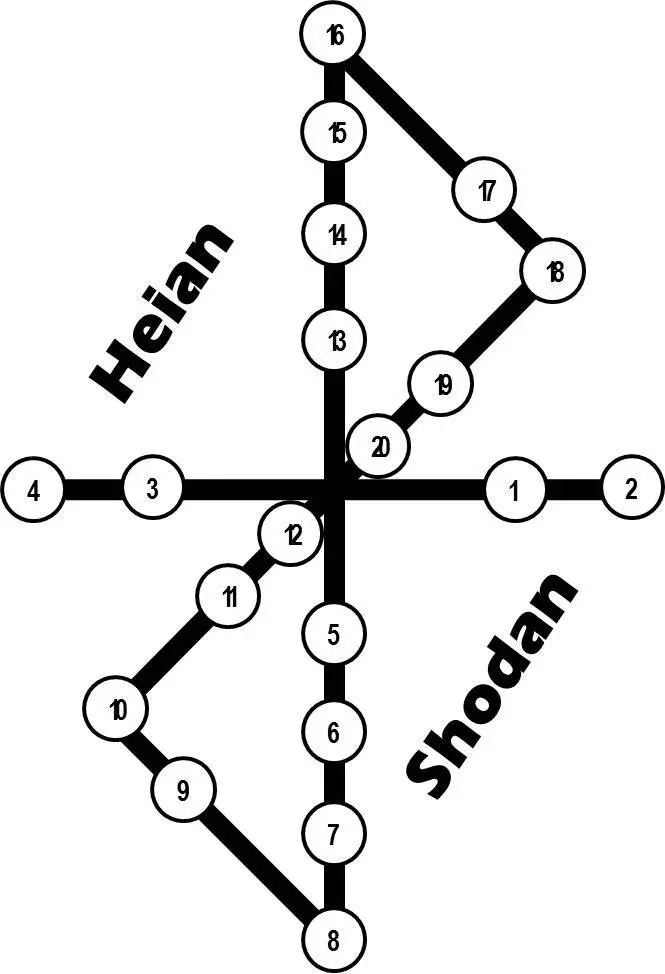
Heian Shodan is the first-named Heian kata in many Shotokan syllabuses, but sequence, count and teaching emphasis remain organisation-specific.
Choku-zuki is a straight Karate punch whose name identifies its direct path rather than a stepping-leg relationship.