
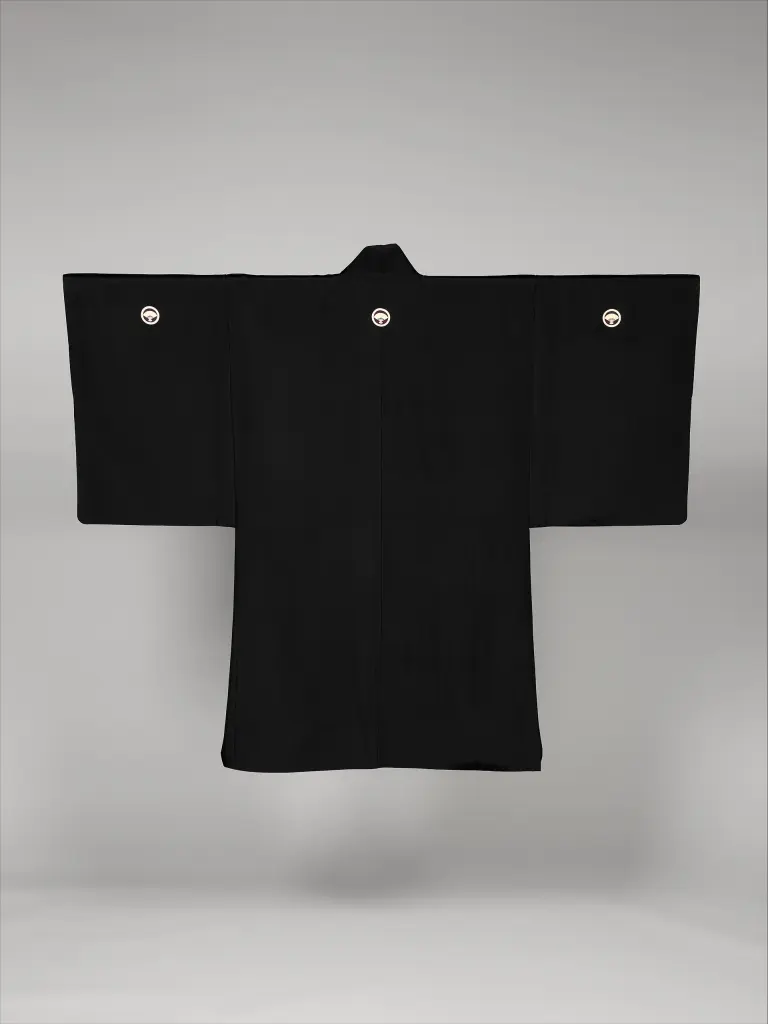
Haori
Haori are hip- or thigh-length Japanese jackets worn over kimono, ranging from crested formal menswear to patterned fashion and performance garments.
Haori are hip- or thigh-length Japanese jackets worn over kimono, ranging from crested formal menswear to patterned fashion and performance garments.
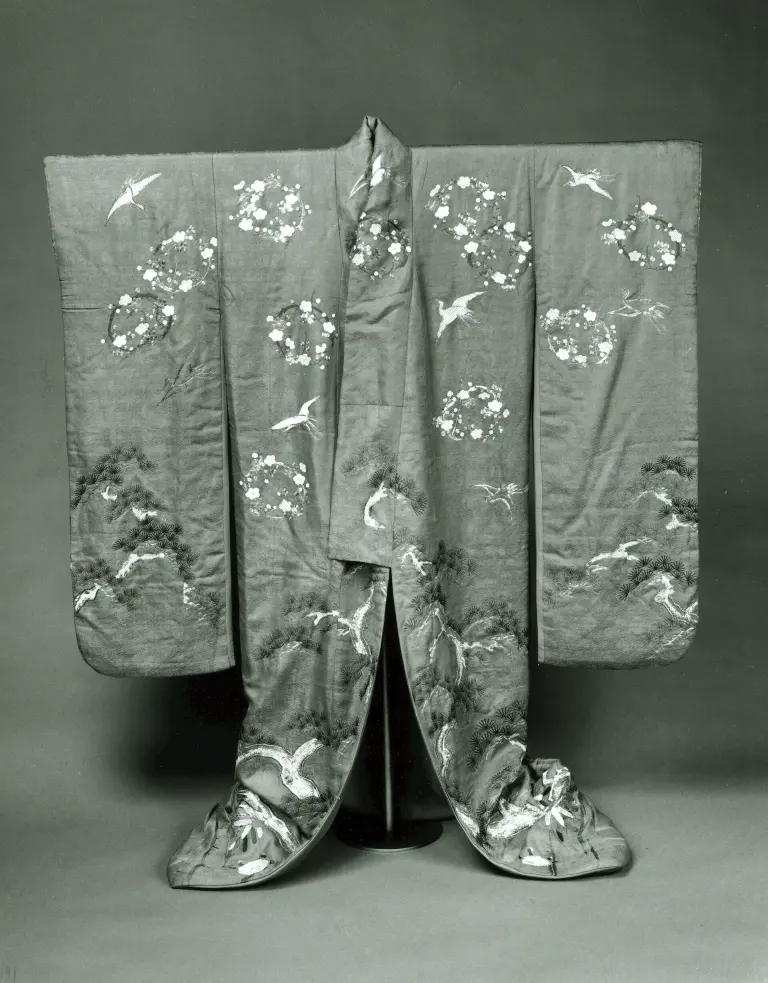
Furisode are long-sleeved kimono whose materials, sleeve length, and coordination express occasion, age convention, and changing ideas of formality.
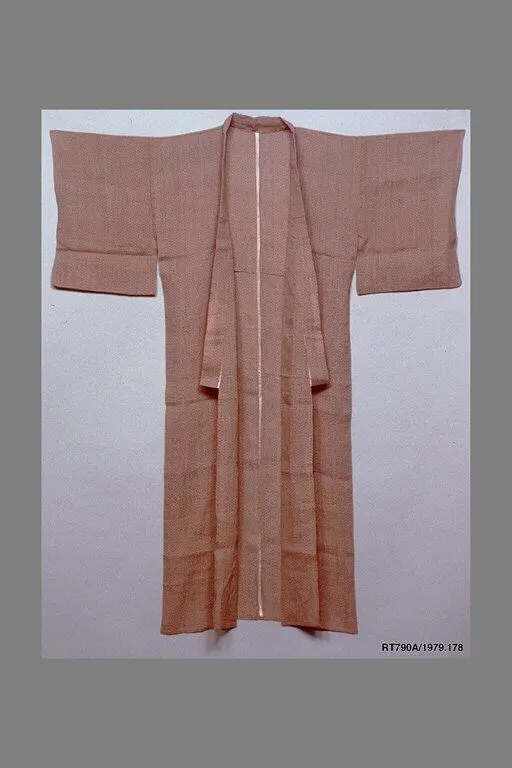
Kasuri is Japanese yarn-resist patterning in which selected warp or weft threads are dyed before weaving and aligned to form motifs in the cloth.
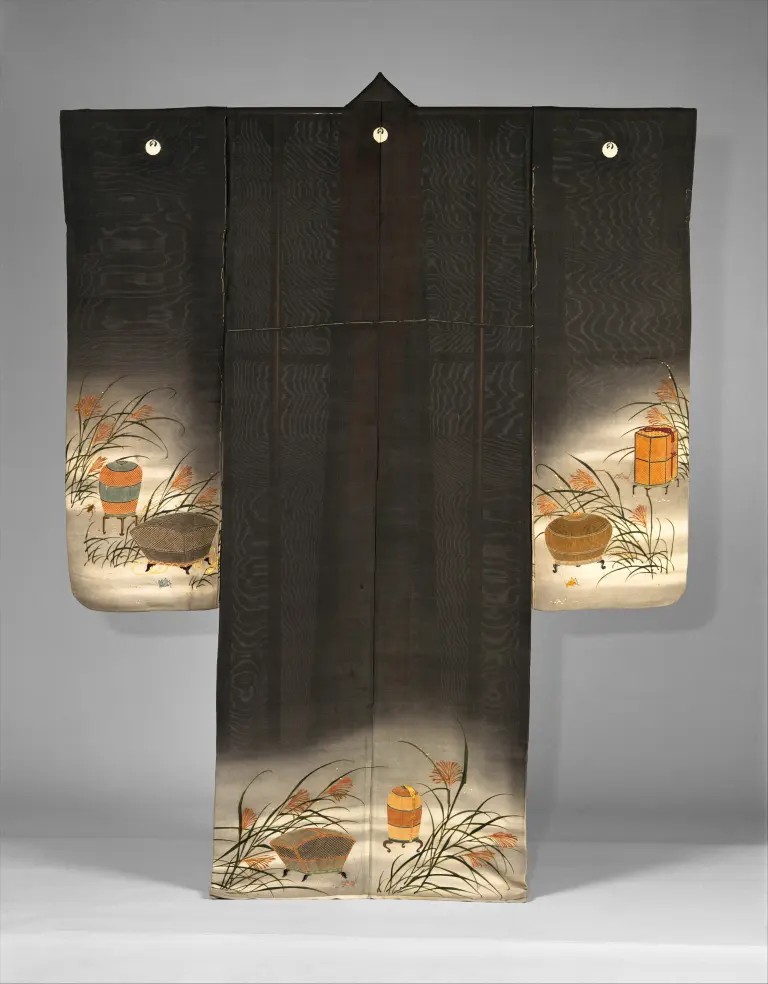
Yūzen is a family of pictorial paste-resist dyeing methods used especially for Japanese kimono, combining fine outlines with separately applied colours.
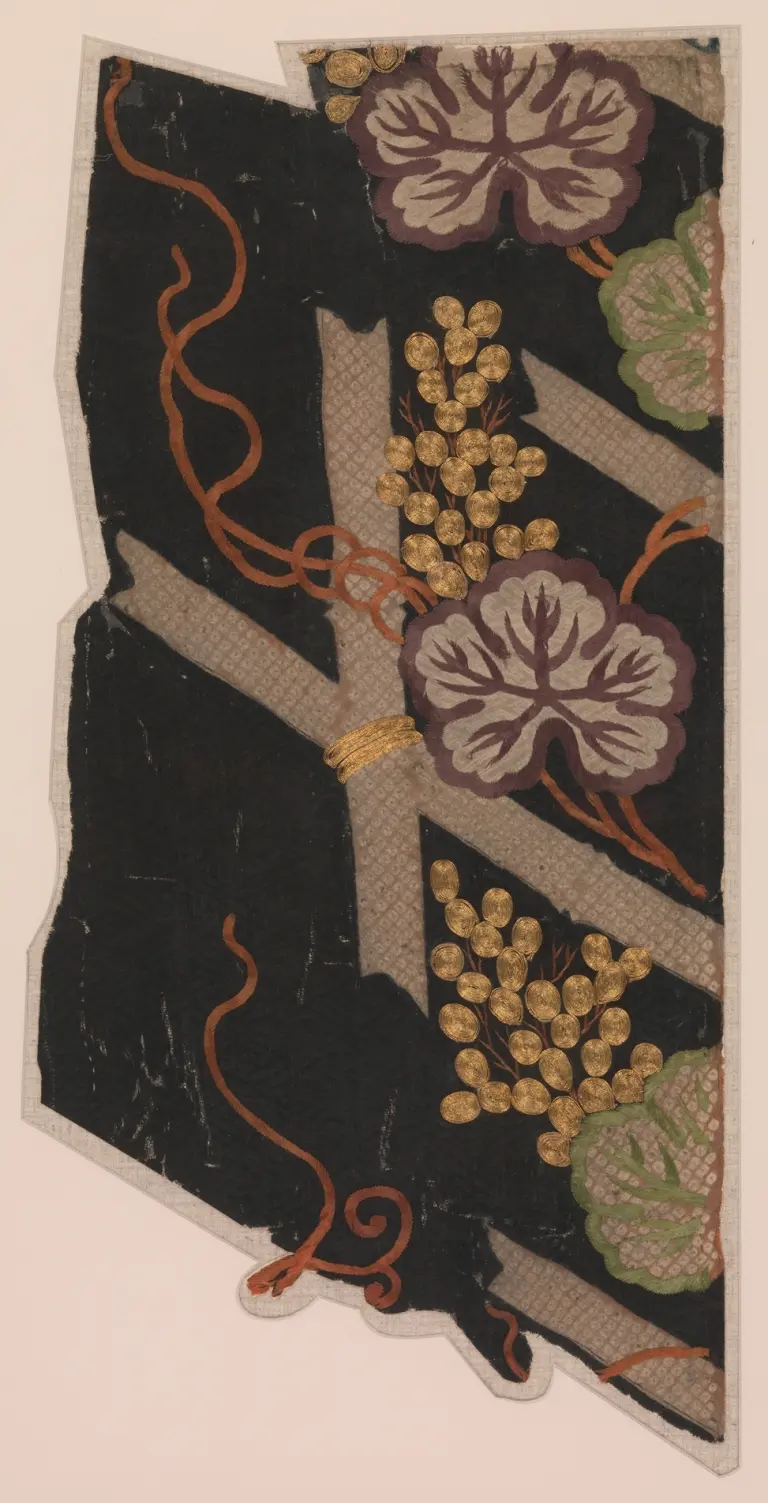
Shibori is a family of Japanese resist-dyeing techniques that shape, bind, stitch, fold, or compress cloth before it is dyed.
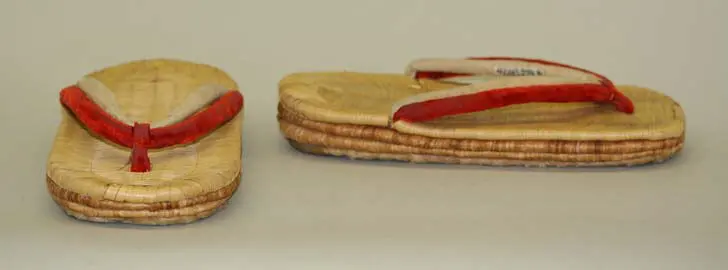
Zōri are flat Japanese thong sandals whose materials and form range from woven-straw workwear to formal footwear for kimono ensembles.
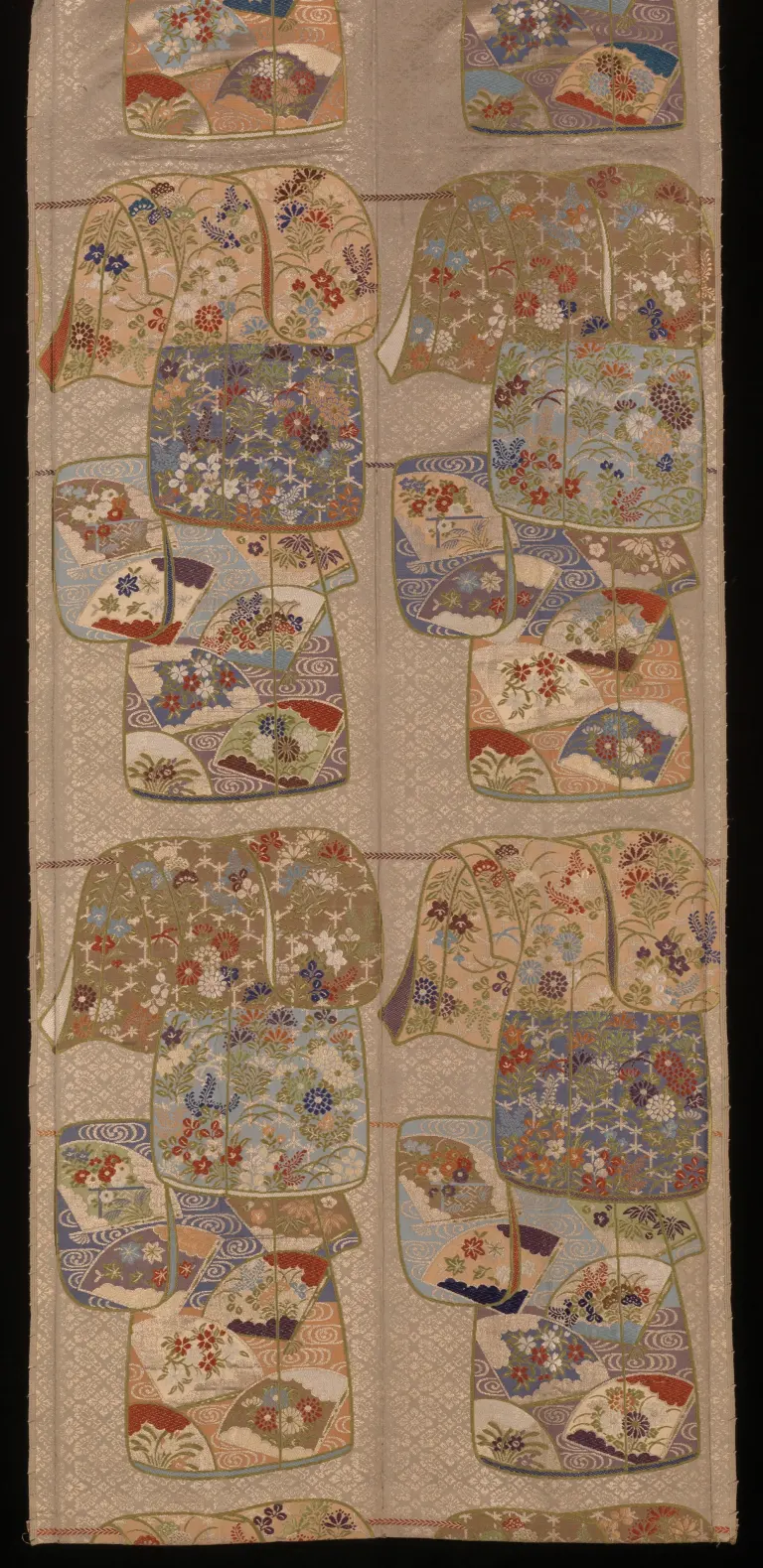
An obi is a Japanese sash whose dimensions, textile, knot, and accessories help structure kimono dress and express occasion and formality.
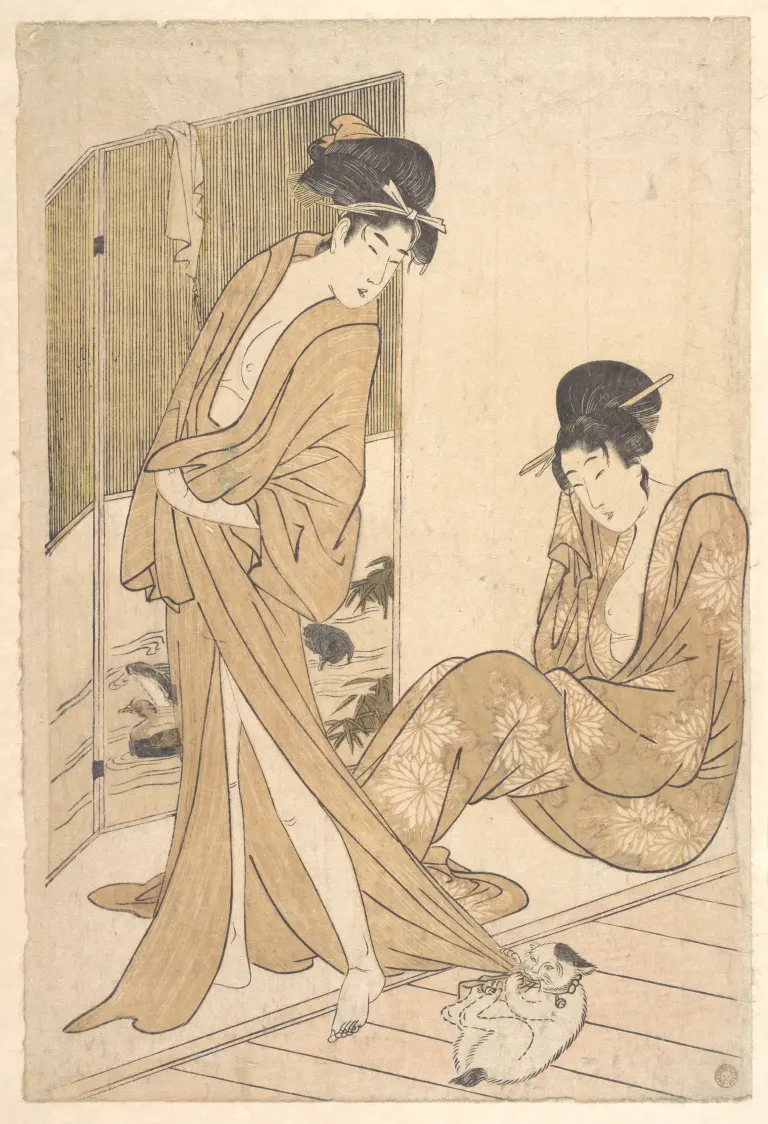
Yukata are unlined casual kimono associated with bathing, inns, summer festivals, fireworks, dance, and warm-weather leisure.
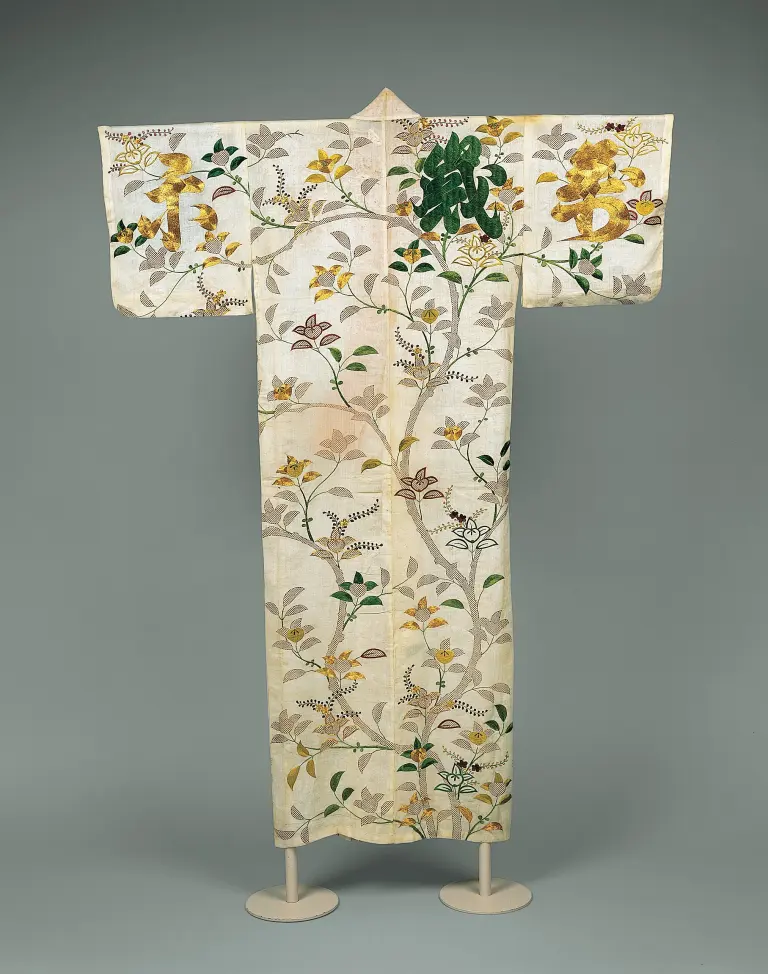
Kimono are straight-seamed wrap garments whose materials, decoration, layering, and accessories communicate season, occasion, age, taste, and formality.