
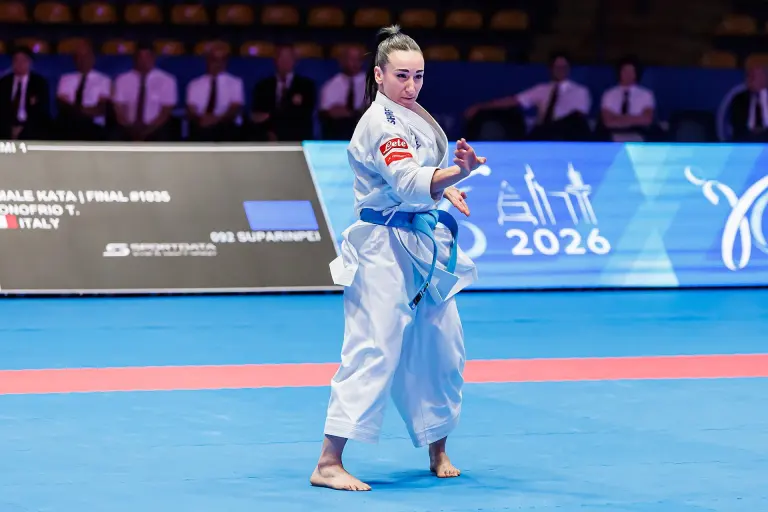
Karate Kata
Karate kata are prescribed forms that preserve movement and tactical principles, with different names, sequences and performance methods across Okinawan and Japanese traditions.
Karate kata are prescribed forms that preserve movement and tactical principles, with different names, sequences and performance methods across Okinawan and Japanese traditions.
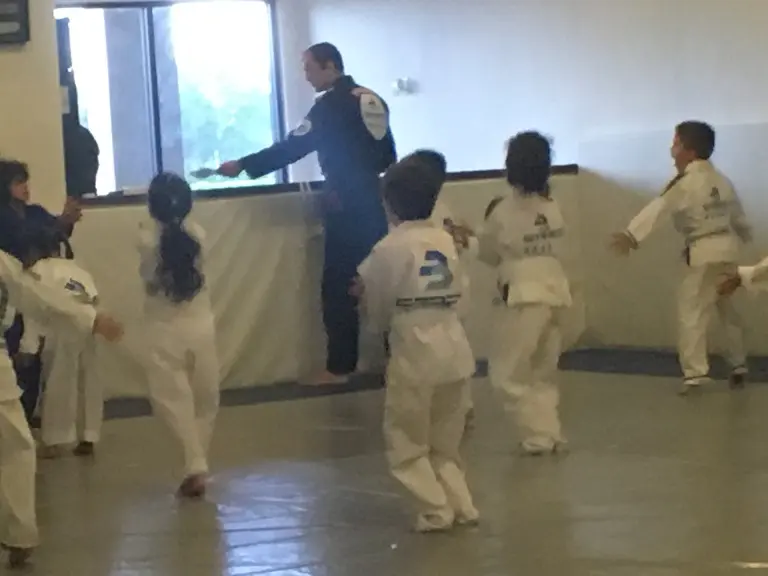
Karate terminology covers Japanese names for people, ranks, training, techniques, kata, kumite, distance and competition, including important differences among traditions.
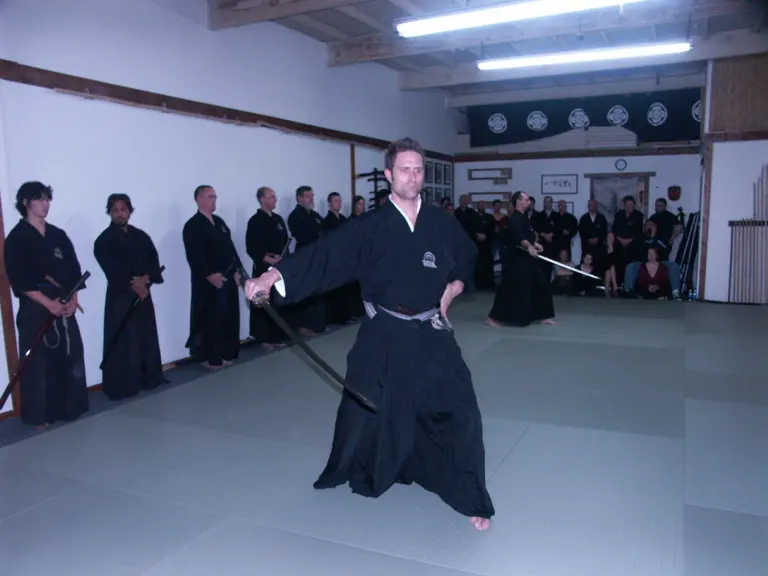
Iaido is a Japanese sword discipline built around controlled drawing, cutting, blade handling, and prescribed solo forms, with both federation and classical-school practice.

Kata in Judo are codified forms through which partners study technical principles, formal roles, safety, history, and applications beyond free practice.
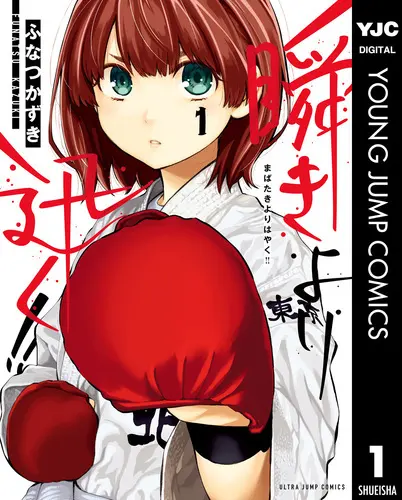
Mabataki yori Hayaku!! is Kazuki Funatsu’s manga about a timid high-school student who enters a girls’ traditional-karate club and learns competition through team practice.
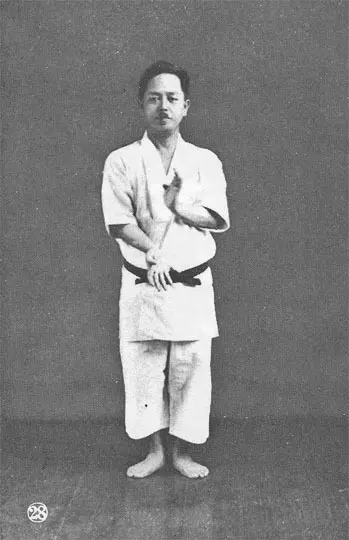
Shitō-ryū is a major karate tradition founded by Kenwa Mabuni, preserving extensive kata associated with the teachings of Ankō Itosu and Kanryō Higaonna.
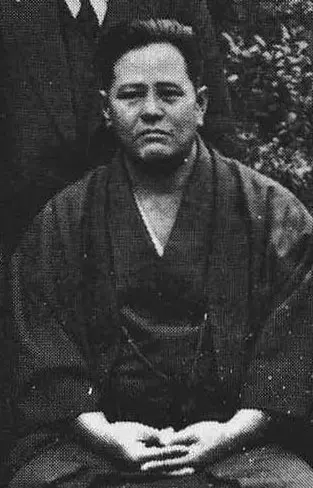
Gōjū-ryū is an Okinawan karate tradition founded by Chōjun Miyagi, combining forceful and yielding methods with kata, breathing, conditioning, and partner practice.
Shotokan is a major karate tradition shaped by Gichin Funakoshi’s teaching and later developed through university clubs and the Japan Karate Association.
Karate is an Okinawan striking art shaped through kata, kihon, kumite, school lineages, modern education, competition, and worldwide transmission.