
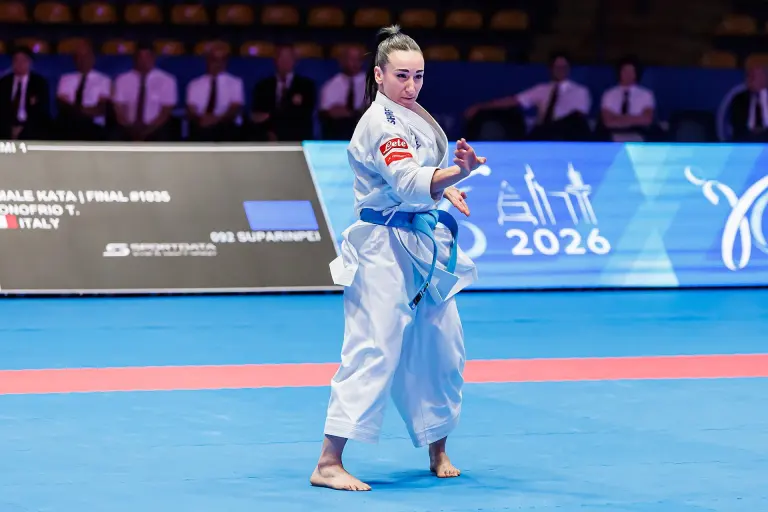
Karate Kata
Karate kata are prescribed forms that preserve movement and tactical principles, with different names, sequences and performance methods across Okinawan and Japanese traditions.
Karate kata are prescribed forms that preserve movement and tactical principles, with different names, sequences and performance methods across Okinawan and Japanese traditions.
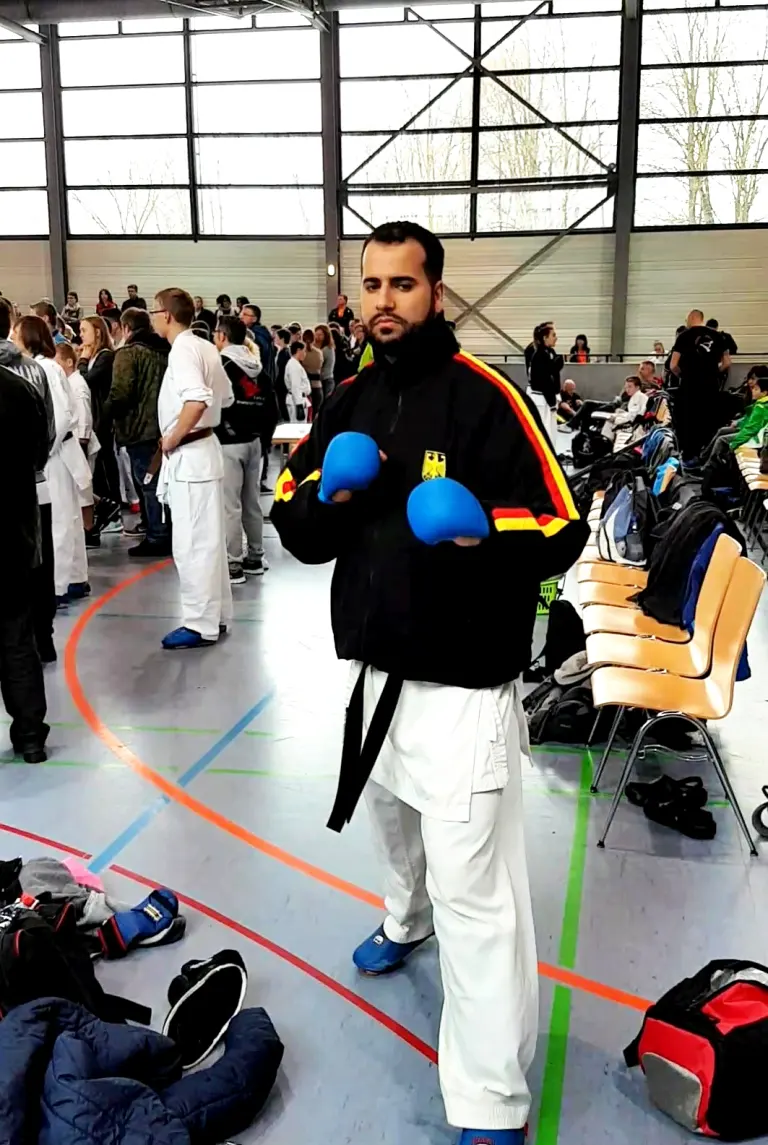
Kumite is Karate partner practice, ranging from prearranged drills to free sparring and rule-governed competition, with different methods across styles.
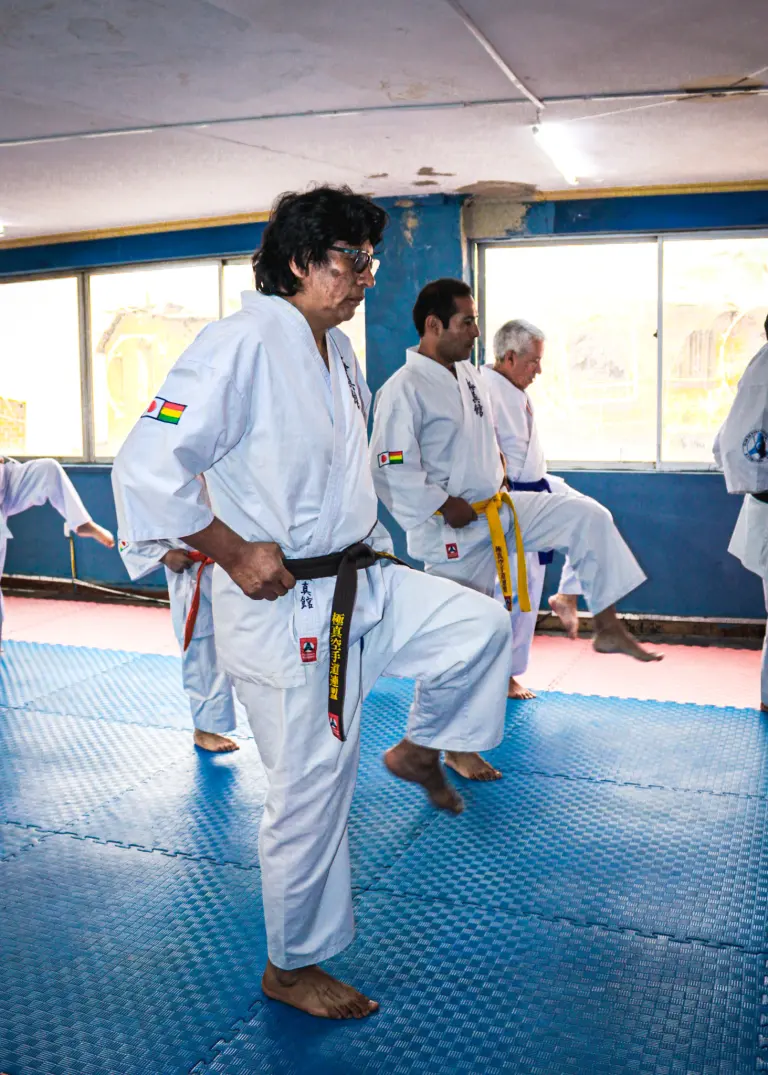
Kihon means the fundamentals of Karate, including stance, posture, movement, receiving actions, thrusts, strikes and kicks, with substantial variation among styles.
Karate terminology covers Japanese names for people, ranks, training, techniques, kata, kumite, distance and competition, including important differences among traditions.
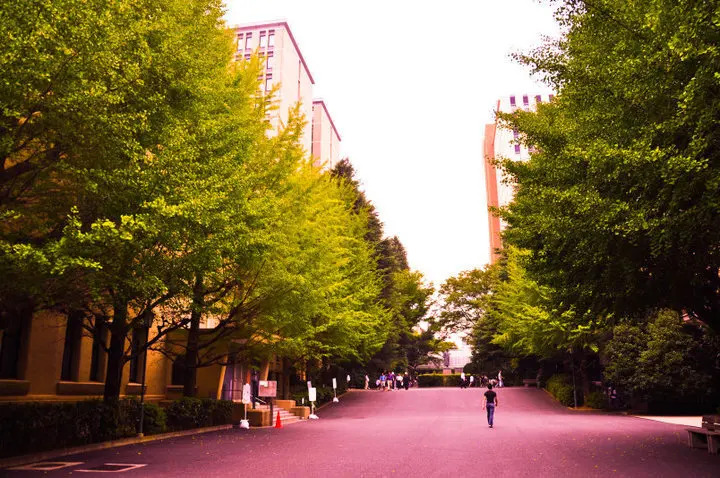
A regional, source-linked guide to Karate, Judo, and Aikido affiliations at selected Japanese universities.
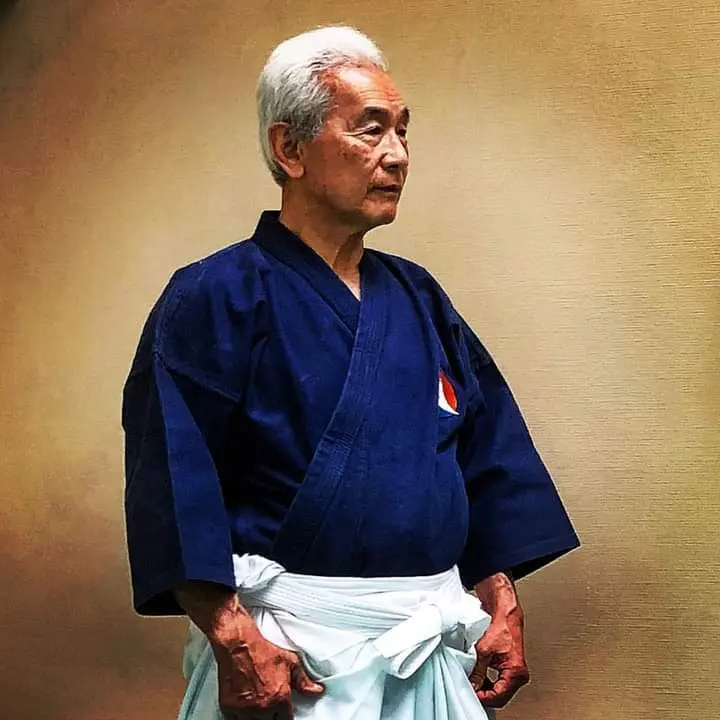
Yoseikan Budo is a modern composite martial art developed by Hiroo Mochizuki from the Yoseikan inheritance of his father Minoru Mochizuki.
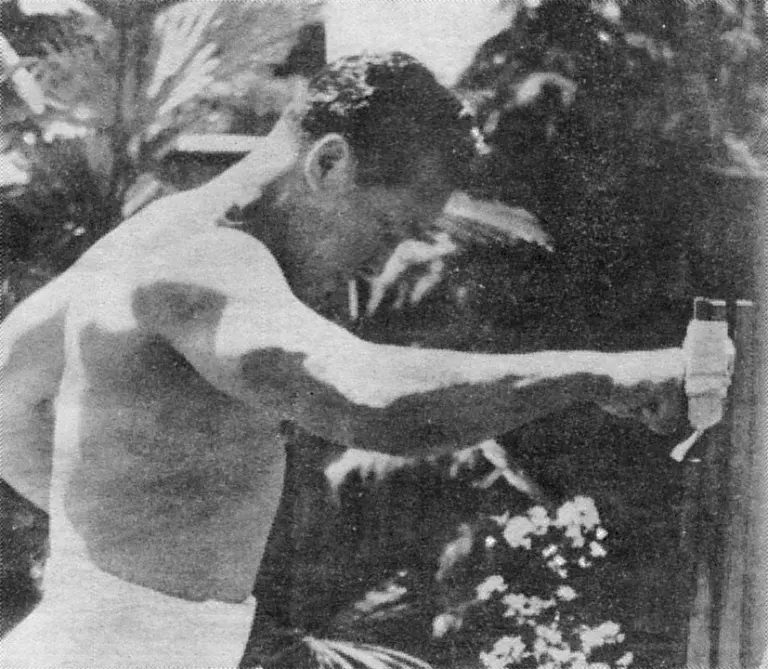
Kyokushin is a full-contact karate tradition founded by Masutatsu Ōyama, known for knockdown competition, demanding conditioning, kata, and an international network of successor organisations.
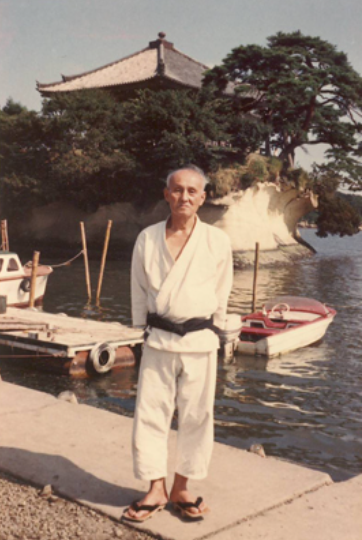
Wadō-ryū is a Japanese karate tradition founded by Hironori Ōtsuka, integrating Okinawan karate with principles from Shindō Yōshin-ryū jujutsu and Japanese budō.
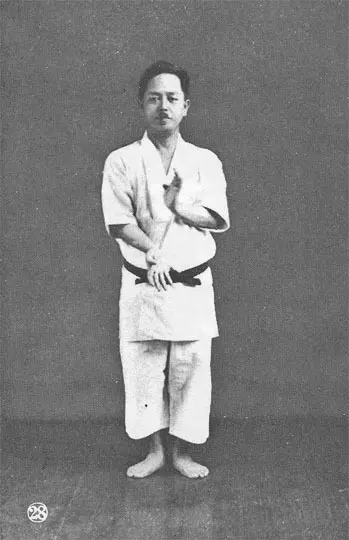
Shitō-ryū is a major karate tradition founded by Kenwa Mabuni, preserving extensive kata associated with the teachings of Ankō Itosu and Kanryō Higaonna.
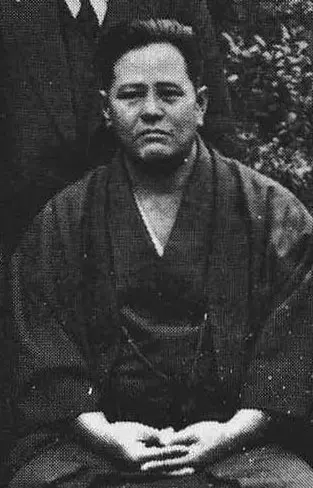
Gōjū-ryū is an Okinawan karate tradition founded by Chōjun Miyagi, combining forceful and yielding methods with kata, breathing, conditioning, and partner practice.