
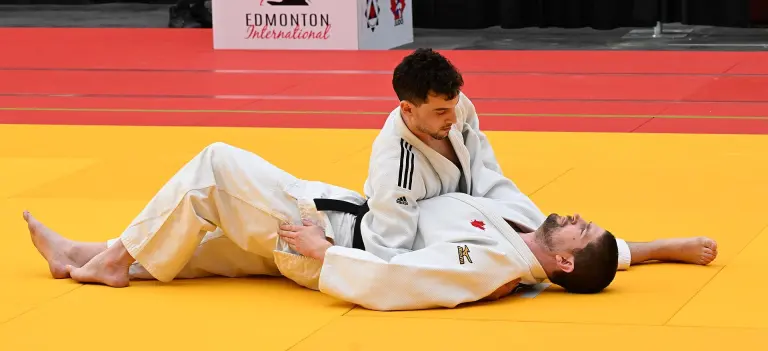
Katame-waza
Katame-waza are Judo’s grappling and control techniques: holds, strangles, and joint techniques used within defined safety rules.
Katame-waza are Judo’s grappling and control techniques: holds, strangles, and joint techniques used within defined safety rules.

Nage-waza are the throwing techniques of Judo, classified by their principal action and use of standing or sacrifice movement.
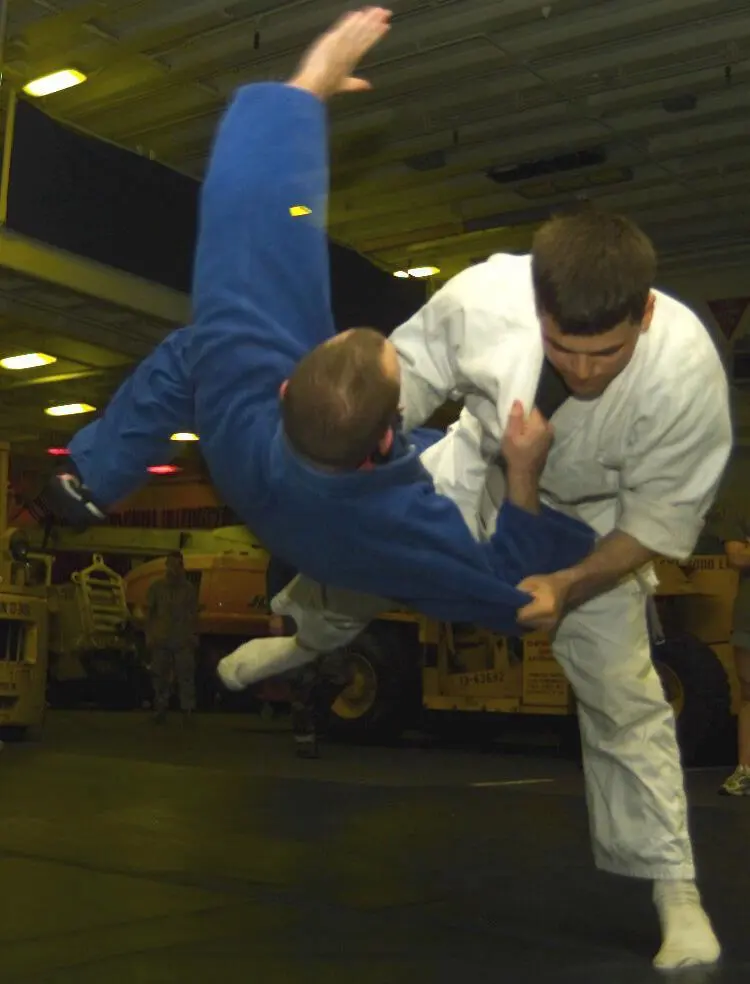
Kuzushi is the Judo concept of disturbing or managing balance to create an effective opportunity for technique.
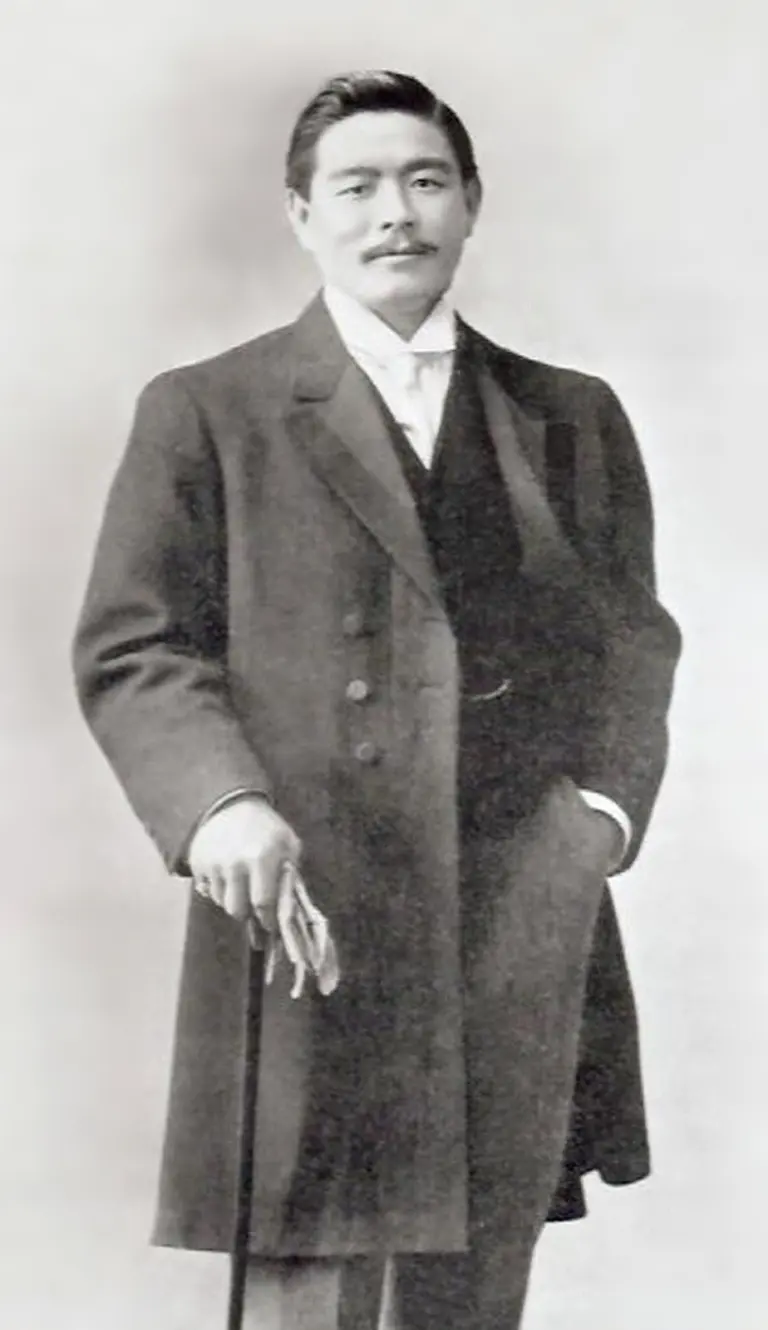
A neutral comparison of Judo, Japanese Jujutsu, and Brazilian Jiu-Jitsu by history, training, techniques, rules, and institutions.
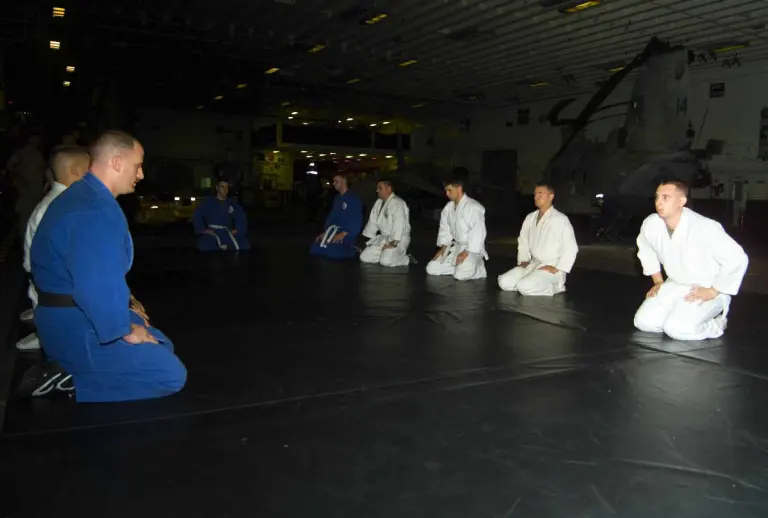
A structured guide to the Japanese words used for Judo practice, people, equipment, techniques, scoring, and etiquette.
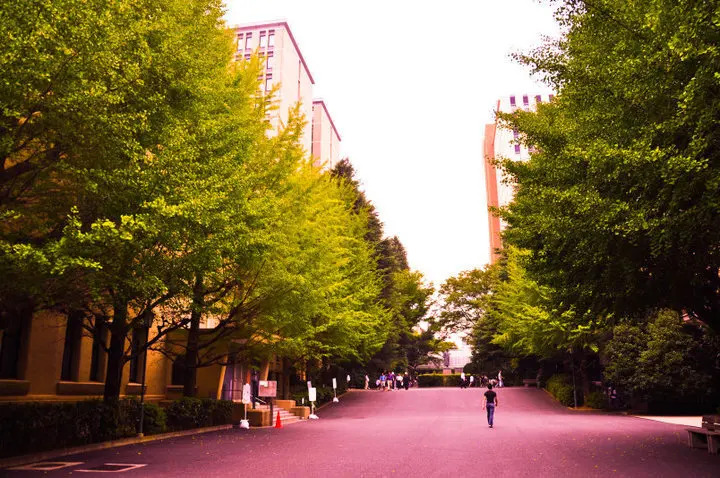
A regional, source-linked guide to Karate, Judo, and Aikido affiliations at selected Japanese universities.
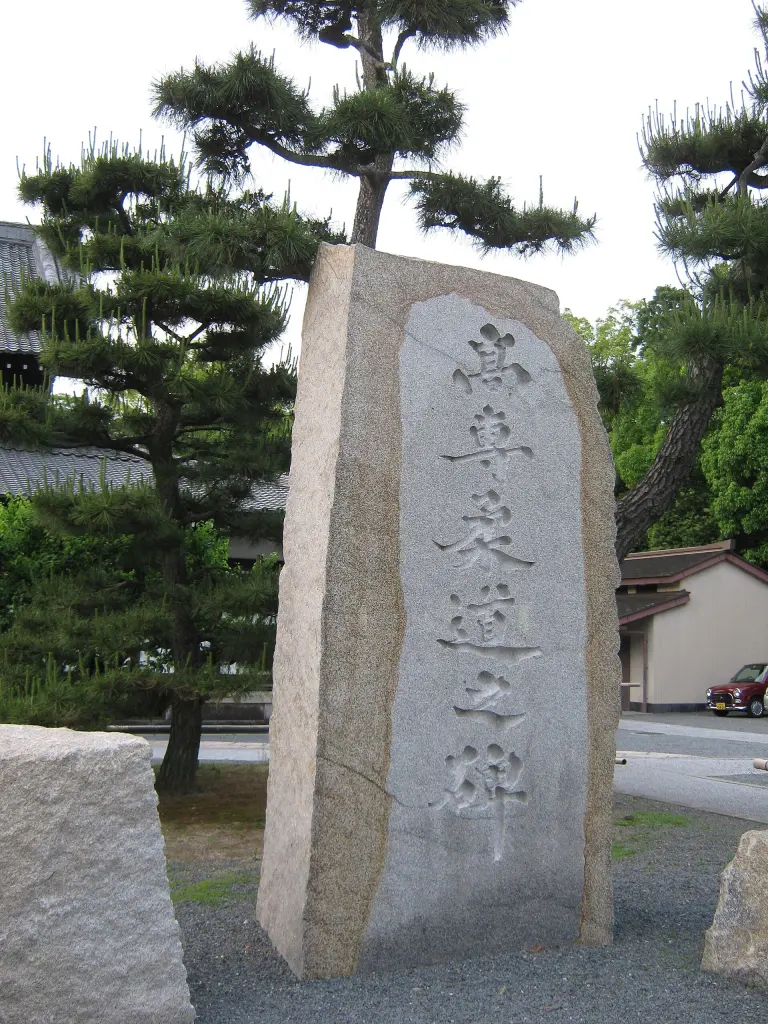
Shichitei Judo is the ground-fighting-oriented team competition maintained by Japan’s seven former Imperial Universities and descended from Kosen Judo.
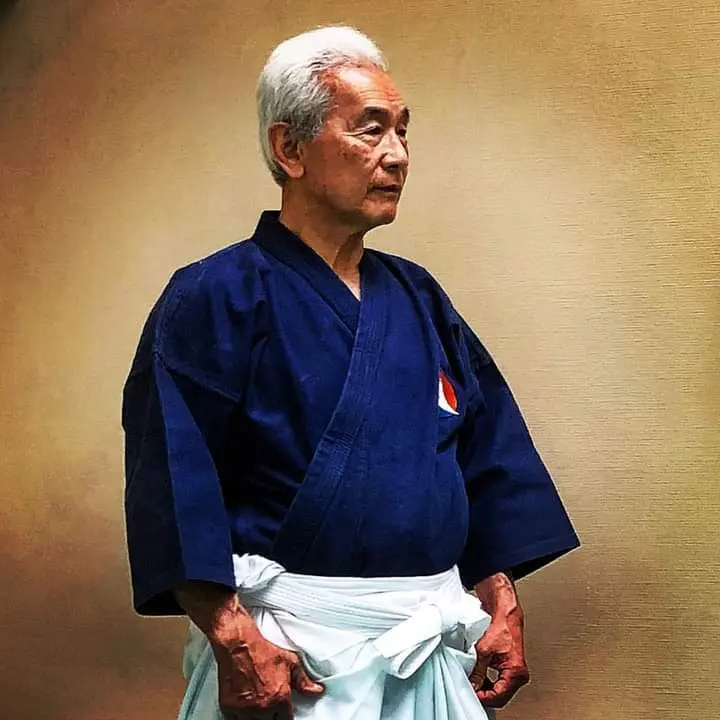
Yoseikan Budo is a modern composite martial art developed by Hiroo Mochizuki from the Yoseikan inheritance of his father Minoru Mochizuki.

Kenji Tomiki was a Japanese martial artist and educator who connected Judo and Aikido through systematic kata, randori, and university physical education.
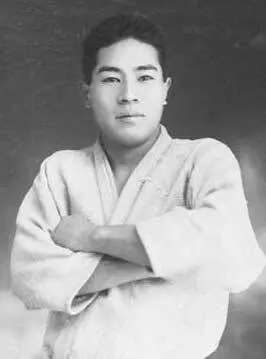
Minoru Mochizuki was a Japanese martial artist who studied under Jigoro Kano and Morihei Ueshiba, founded the Yoseikan dojo, and taught Aikido in postwar France.