
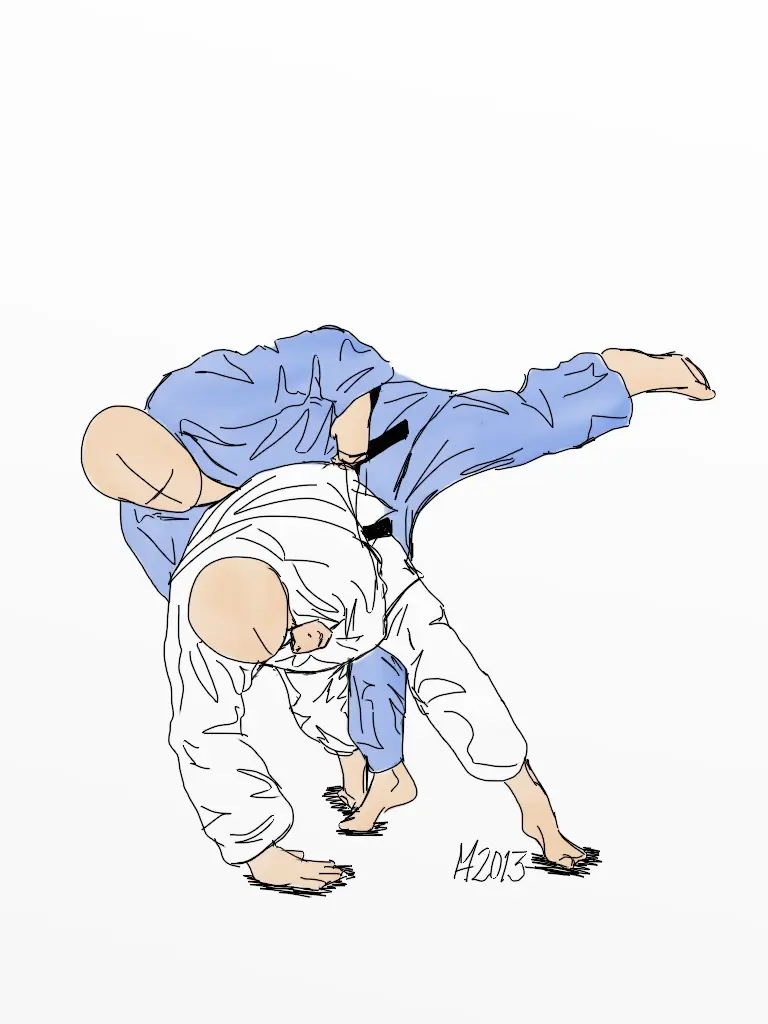
Sutemi-waza
Sutemi-waza are Kodokan sacrifice throws, divided into five rear sacrifice techniques and 16 side sacrifice techniques, with distinct competition restrictions.
Sutemi-waza are Kodokan sacrifice throws, divided into five rear sacrifice techniques and 16 side sacrifice techniques, with distinct competition restrictions.
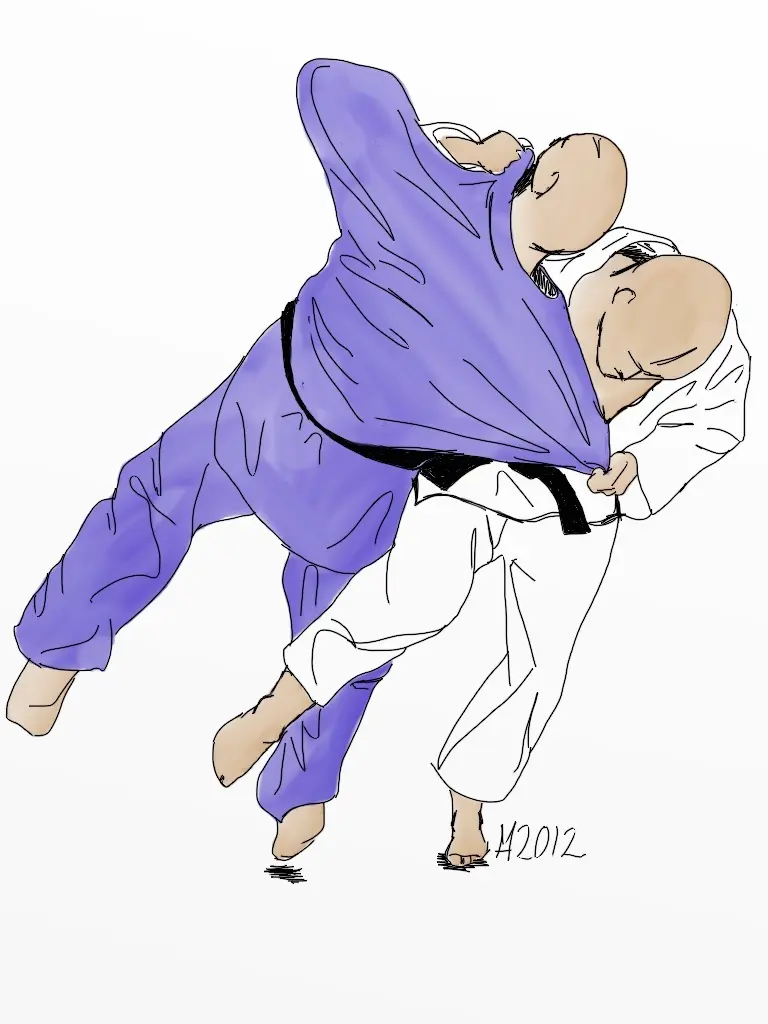
Ashi-waza are the 21 Kodokan foot and leg techniques, including sweeps, reaps, supports, wheels, hooks, drops, and counters.
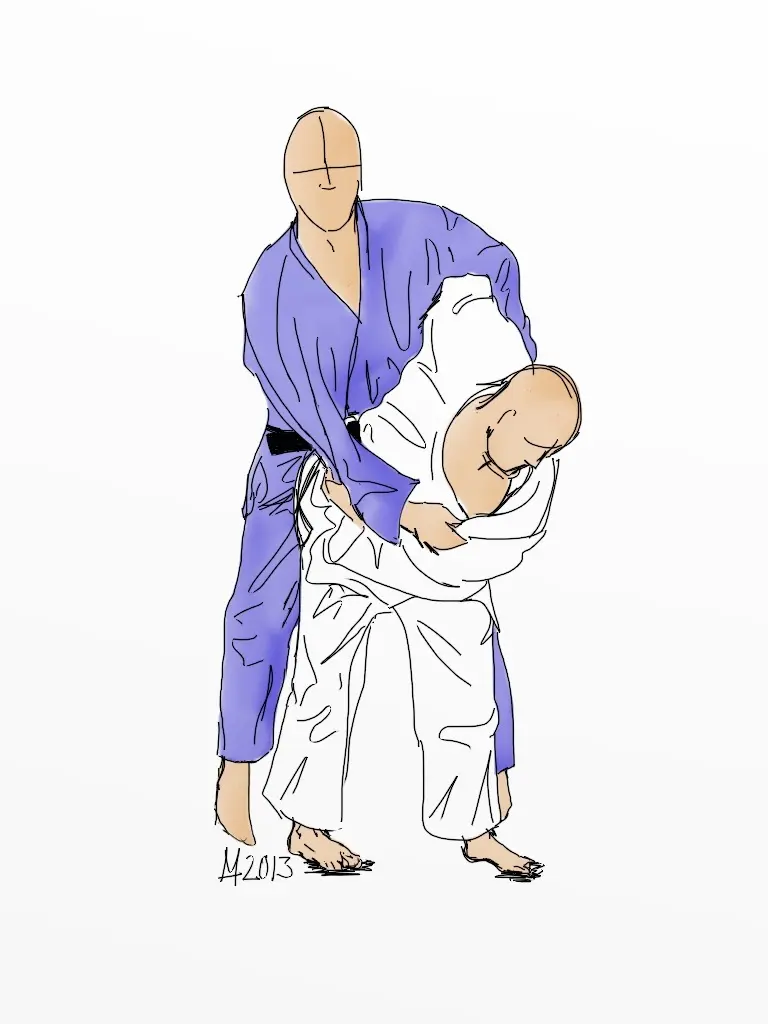
Koshi-waza are the 10 Kodokan hip techniques, defined by the hip’s central role rather than by one fixed grip or execution.
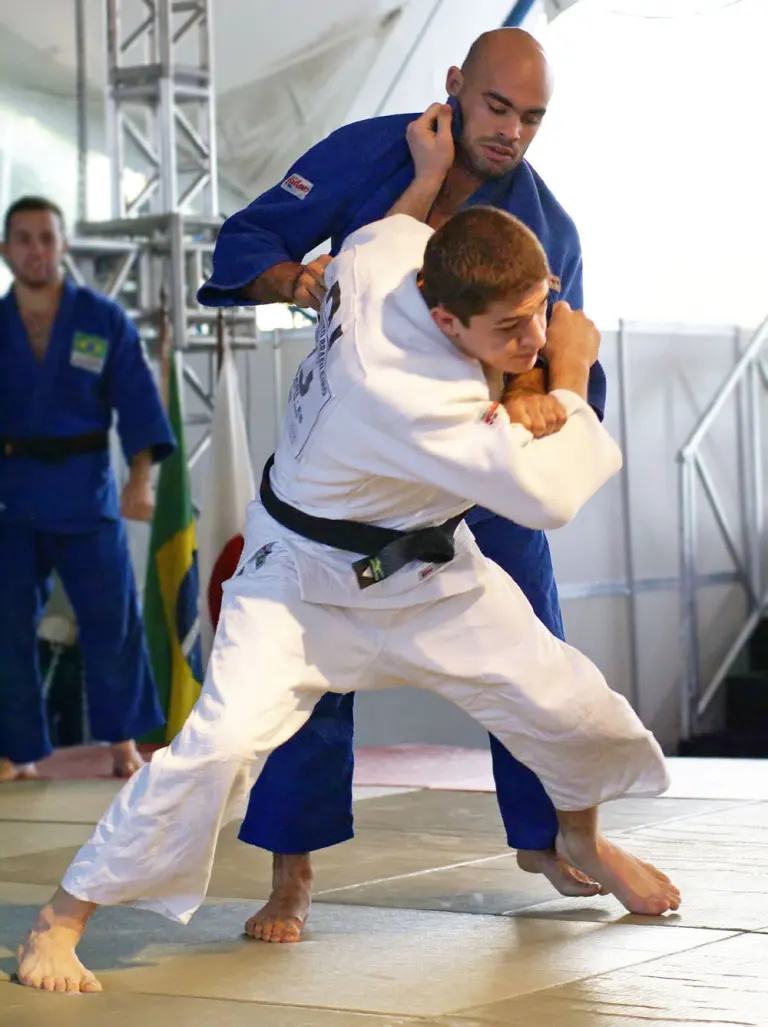
Te-waza are the 16 Kodokan hand techniques, a branch of Judo throwing whose official classification remains broader than current contest legality.
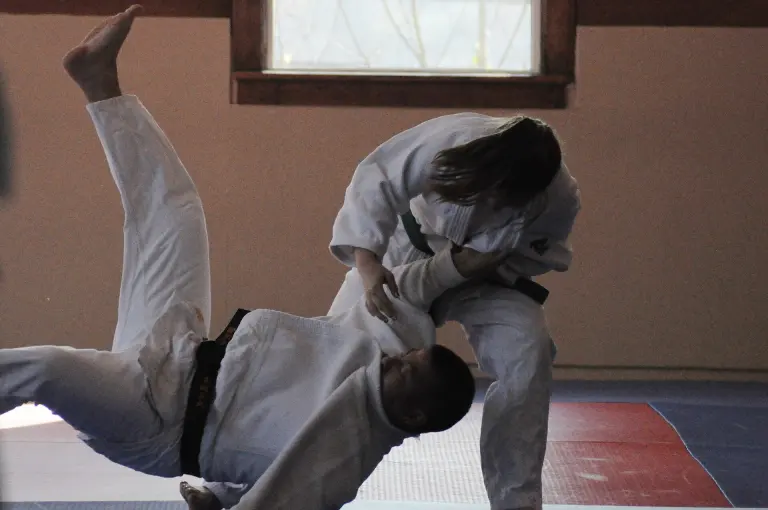
An authoritative guide to Kodokan Judo technique classification, the Gokyo, training methods, and the distinction between the curriculum and current IJF competition rules.
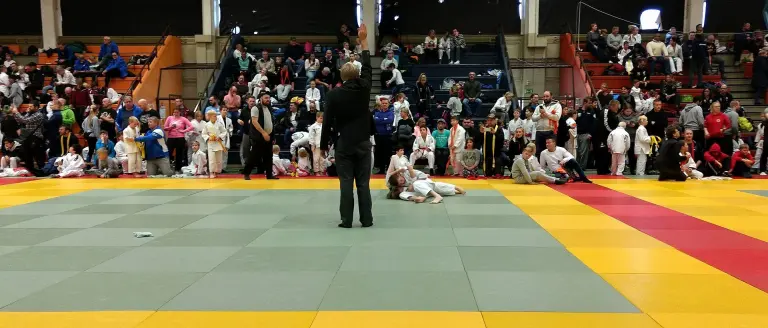
Ippon is Judo’s full score: it ends a contest when awarded for a qualifying throw, hold, submission, or combined scores under current rules.
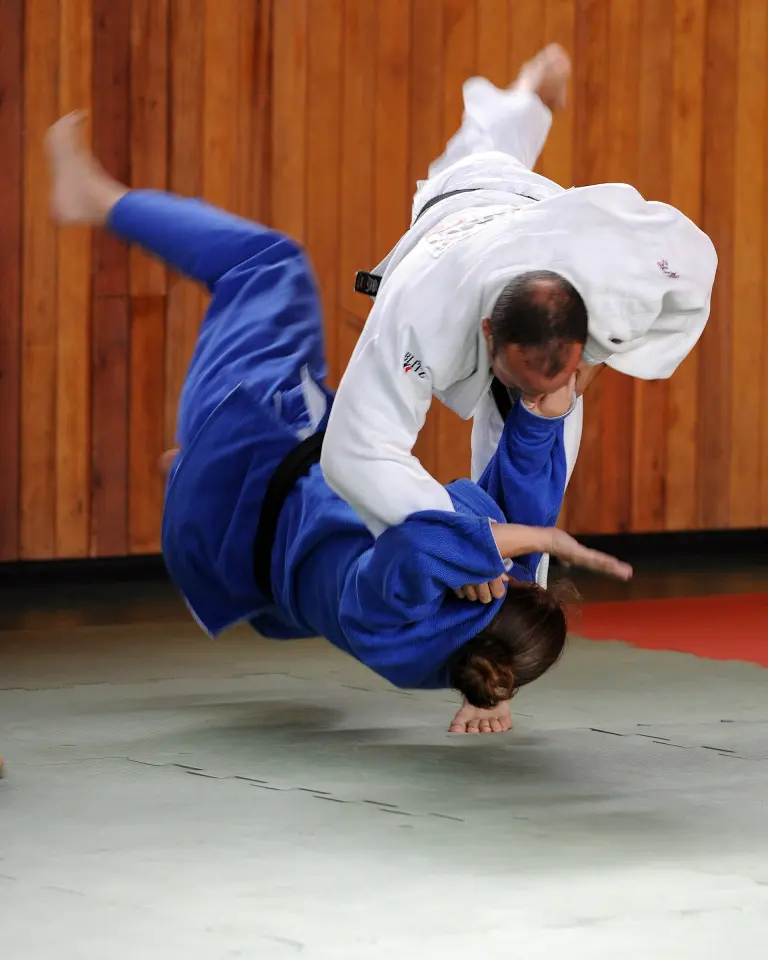
Uchikomi is repeated Judo entry practice used to refine positioning, coordination, rhythm, and technique before or alongside completed throwing practice.

Ukemi are Judo’s receiving and breakfall skills, used to manage impact, protect the head, and make progressive throwing practice possible.

Kata in Judo are codified forms through which partners study technical principles, formal roles, safety, history, and applications beyond free practice.
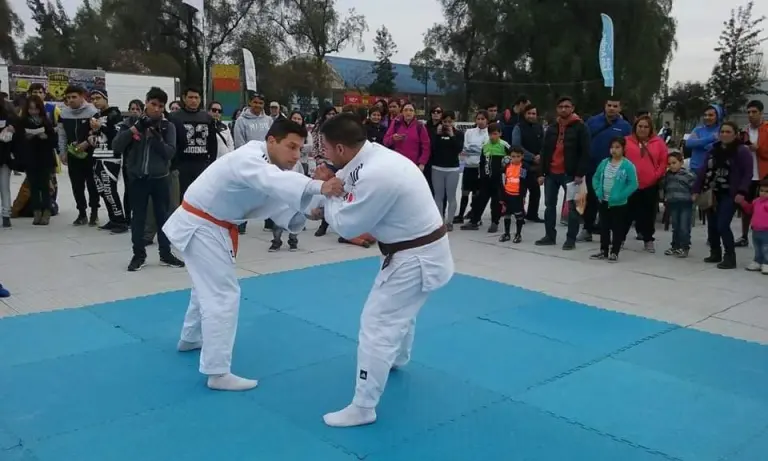
Randori is Judo’s adaptable free-practice method, where partners test timing, technique, movement, and response without treating practice as a formal contest.