
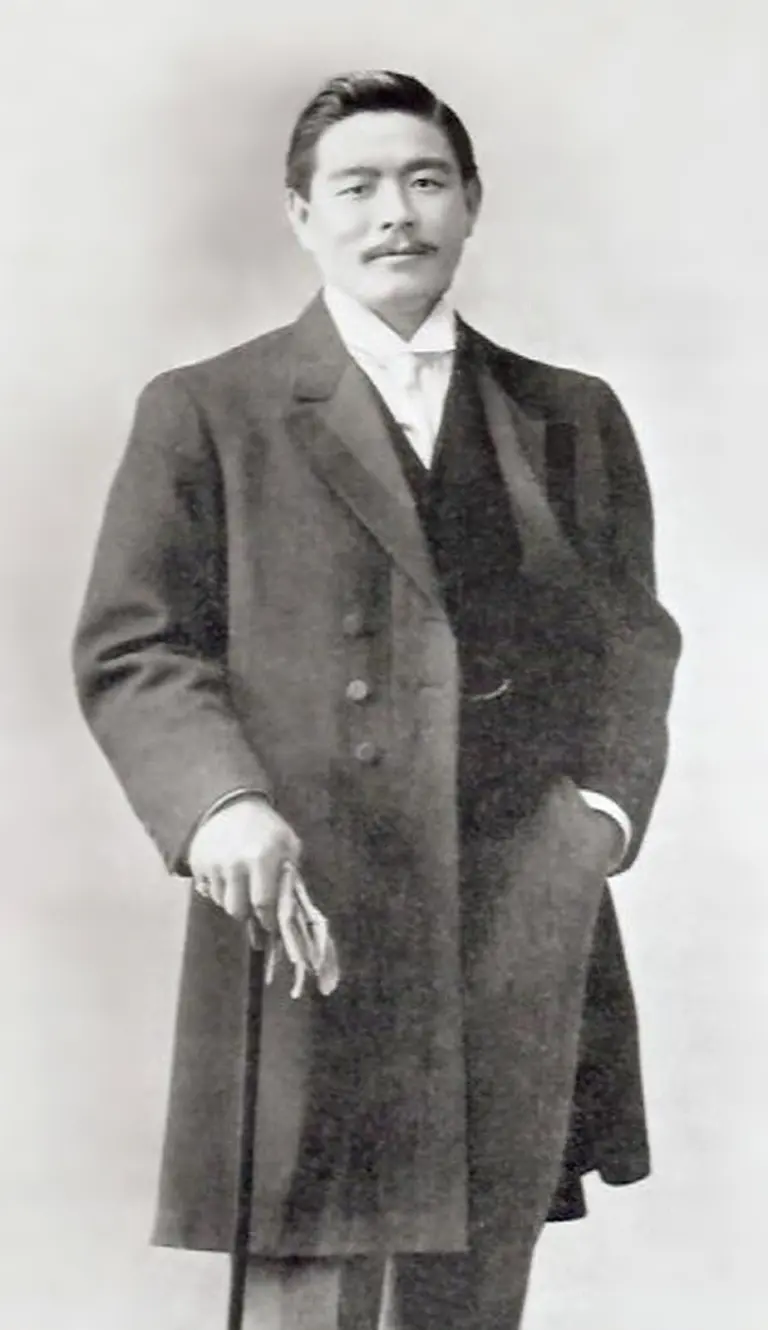
Mitsuyo Maeda
Mitsuyo Maeda was a Kodokan judoka whose international contests, teaching, and settlement in Brazil formed an important link in the history of Brazilian jiu-jitsu.
Mitsuyo Maeda was a Kodokan judoka whose international contests, teaching, and settlement in Brazil formed an important link in the history of Brazilian jiu-jitsu.
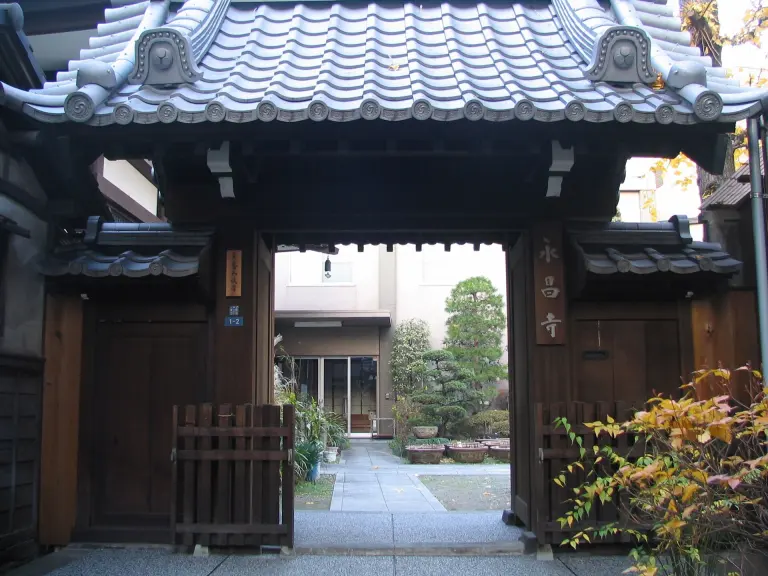
Eishoji is a Jodo Buddhist temple in Higashi-Ueno, Tokyo, remembered as the site where Jigoro Kano opened the first Kodokan dojo in 1882.

The Dai Nippon Butoku Kai was Japan’s leading national martial-arts organisation from 1895 until its dissolution in 1946.
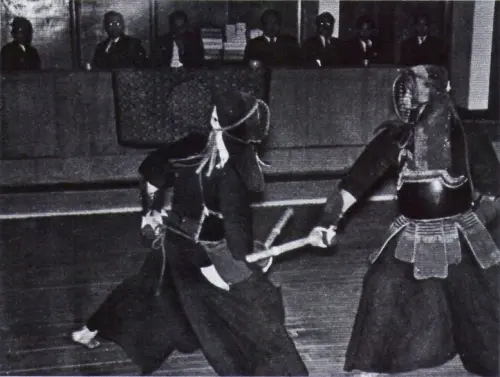
The Keishicho martial arts dojo is the training base for Tokyo Metropolitan Police judo and kendo within the department’s Police Skills Center.
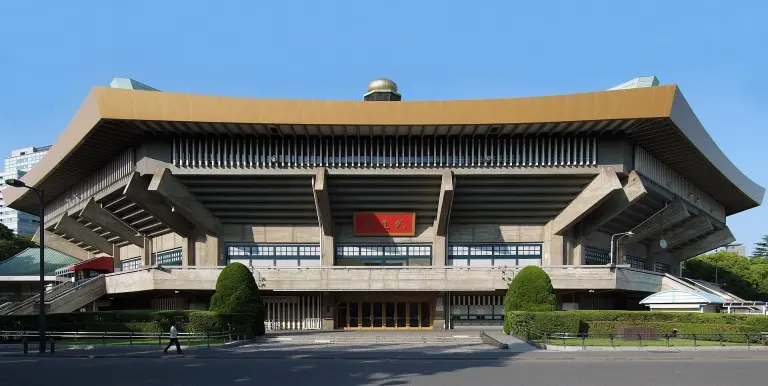
Nippon Budokan is a landmark arena in central Tokyo, opened for Olympic judo in 1964 and used for budo events, education, ceremonies, and concerts.
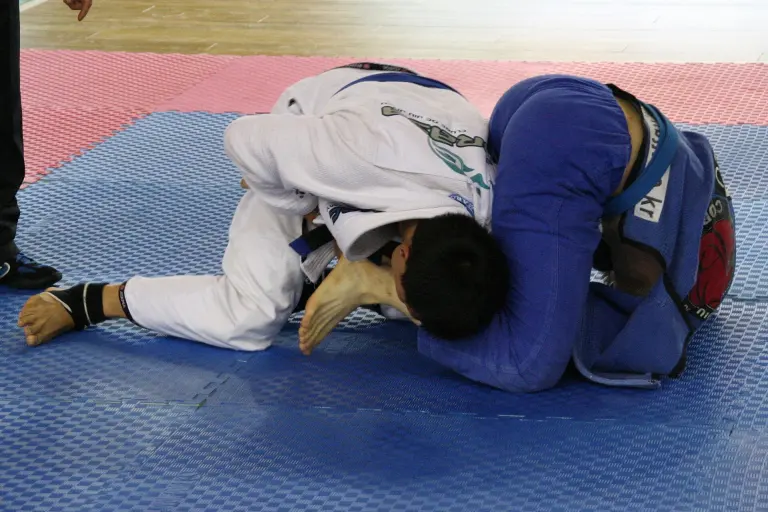
Brazilian Jiu-Jitsu is a Brazilian grappling art and combat sport developed from Kodokan judo and jujutsu transmitted to Brazil in the early twentieth century.
Mataemon Tanabe was a Fusen-ryū jujutsu teacher and judo hanshi whose groundwork became prominent in early inter-school contests.
Kyūzō Mifune was a Kodokan 10th-dan judoka known for technical precision, teaching, kata development, and influential writing on judo.
Sakujirō Yokoyama was an early Kodokan leader, teacher, curriculum contributor, and co-author of an influential judo manual.
Saigō Shirō (1866–1922) was an early Kodokan judoka associated with Yama Arashi whose documented career became intertwined with the fictional hero Sanshirō Sugata.