Food Culture
Ohagi and Botamochi
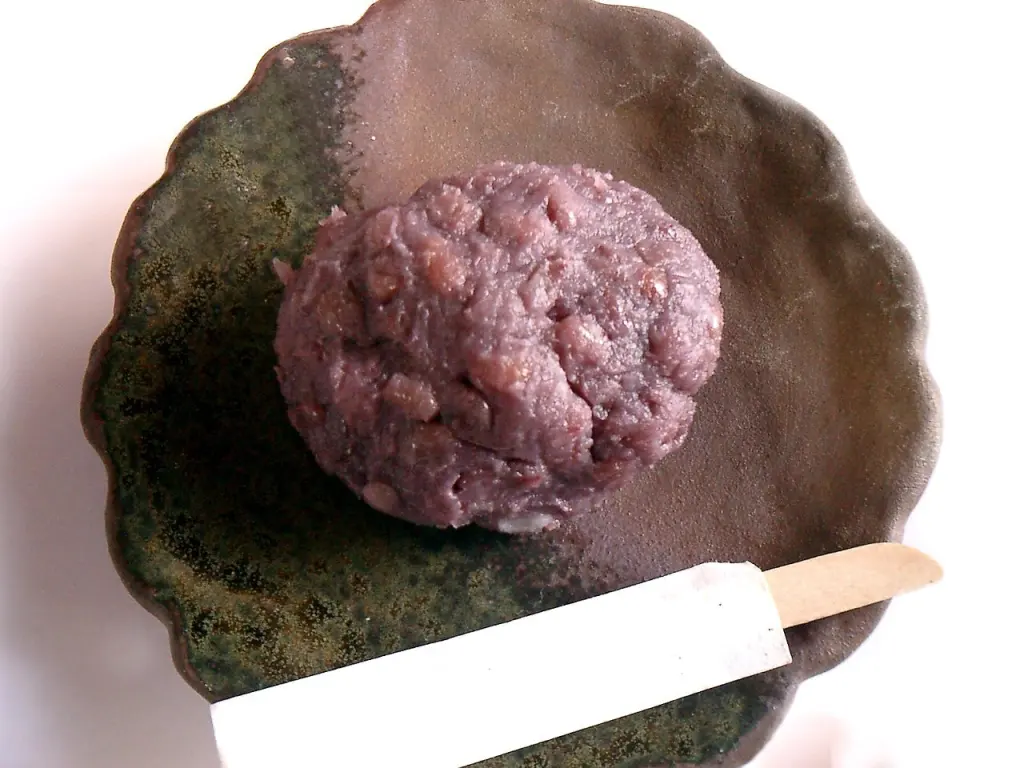
Image: Tomomarusan / Wikimedia Commons · CC BY 2.5
Overview
Rice, sweet beans and a seasonal name.
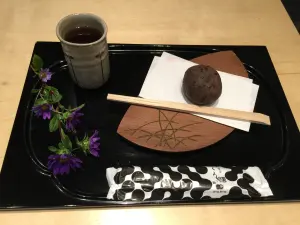
Ohagi and botamochi (おはぎ・ぼたもち) are Japanese confections made from cooked rice, usually partly mashed, combined with sweet bean paste or other coatings. They are particularly associated with Higan, the Buddhist observances around the spring and autumn equinoxes. A familiar explanation calls the spring sweet botamochi after the peony, botan, and the autumn sweet ohagi after bush clover, hagi. This seasonal pairing is useful but not universal: regional and household usage may also distinguish ingredients, texture or shape. As part of Wagashi, the sweets connect rice and beans with seasonal naming, offerings and shared food rather than belonging only to specialist confectionery shops.
Partly mashed grains form the centre.
Beans or other coatings add the finish.
Higan connects food with remembrance.
At a glance
- Japanese names
- おはぎ / ぼたもち
- Main components
- Rice and sweet bean paste
- Rice texture
- Usually partly mashed
- Seasonal associations
- Spring and autumn Higan
- Name imagery
- Peony and bush clover
- Variation
- Regional names, coatings and preparations
01
Partly mashed rice gives the sweets their texture
The rice centre commonly combines glutinous rice with ordinary rice, although proportions and recipes vary. Cooking is followed by partial mashing so that some grain texture remains. Sweet azuki bean paste is a familiar outer covering. The Ministry of Agriculture’s food accounts place the sweet within a wider tradition of using rice at seasonal and ceremonial occasions.
02
Flowers provide a familiar seasonal explanation
Botan means peony and hagi means bush clover. The association gives botamochi a spring image and ohagi an autumn one. It does not establish a universal manufacturing rule. A reference enquiry preserved by the National Diet Library brings together several explanations, including distinctions involving the rice, shape and smooth or coarse bean paste. Those alternatives are evidence of varied usage.
Botamochi
- Common seasonal association
- Spring; botan, the peony
- Limit of the distinction
- Not everywhere restricted to spring.
Ohagi
- Common seasonal association
- Autumn; hagi, bush clover
- Limit of the distinction
- Not everywhere restricted to autumn.
Local usage
- Common seasonal association
- May refer to texture or preparation
- Limit of the distinction
- Ask how a particular maker uses the name.
03
The equinox observances give the sweets a ritual setting
Higan extends across seven days centred on each equinox. Visiting graves and remembering ancestors are among its familiar practices. Agricultural ministry accounts associate the rice-and-bean sweets with offerings during these observances and explain the traditional auspicious significance of red azuki beans. This is a cultural account of the food’s meaning, not a claim that every household observes the same ritual.
04
The basic method has three distinct stages
Rice is cooked until ready to shape, then partly mashed. Portions are formed and combined with bean paste or a coating such as kinako, toasted soybean flour. Recipes may put the bean paste outside or use it as a filling beneath another coating. The sequence clarifies the confection’s construction without fixing one regional recipe as the standard.
Cook
- What changes
- Rice becomes soft enough to combine and shape.
Partly mash and portion
- What changes
- The centre holds together while retaining some grain texture.
Cover or fill
- What changes
- Bean paste and other coatings provide flavour and finish.
05
A local recipe may use the names differently
The ministry’s Kyoto food record illustrates how ohagi belongs to regional food practice as well as the national seasonal calendar. Kinako and bean-paste versions can coexist, while families and makers retain different conventions. An autumn label alone cannot establish whether a sweet contains coarse bean paste, and a smooth paste does not by itself prove that the maker calls it botamochi.
06
Rice sweets connect the household with the seasonal calendar
These confections bring together ingredients discussed in Rice in Japanese Culture with the seasonal vocabulary of wagashi. Shūbun no Hi explains the autumn equinox holiday, while Higan describes the surrounding observance. Keeping those contexts distinct makes it possible to understand the sweet as an offering, a seasonal purchase or shared household food without assuming one setting excludes the others.
Sources
Last updated: