Japanese New Year
Nengajō
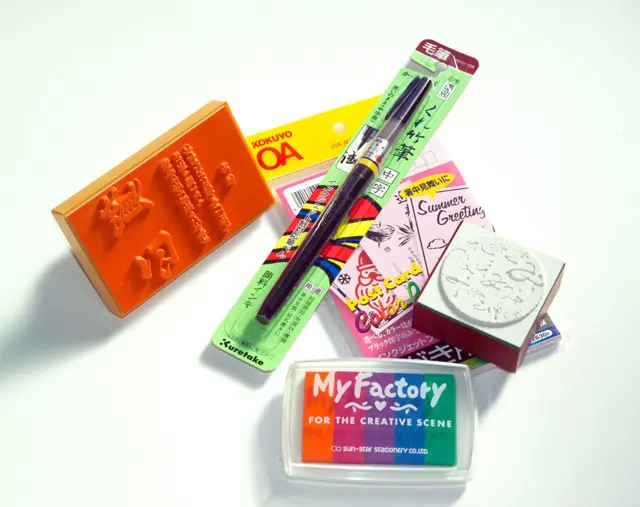
Image: Fg2 / Wikimedia Commons · CC BY-SA 3.0
Nengajō are written New Year greetings sent in Japan, most characteristically as postcards prepared in December for delivery at the beginning of January. They maintain ties among relatives, friends, teachers, clients, colleagues, and other contacts by reporting continued goodwill at a calendrical moment of renewal. Modern nengajō grew from older customs of visiting and sending greetings, then expanded with the national postal system during the Meiji period. Cards often combine a brief formula, personal message, family news, illustration, photograph, or the zodiac animal of the coming year. Special postal products may include lottery numbers, but nengajō are a social practice rather than a single official design. Mourning etiquette, changing workplaces, digital messages, and privacy concerns all affect who sends cards and how.
Overview
| Japanese name | 年賀状 |
|---|---|
| Romanization | Nengajō |
| Common form | New Year greeting postcard |
| Typical preparation | Written, printed, or designed in December |
| Social function | Renewing and acknowledging relationships |
| Modern context | Postal delivery alongside email, messaging, and social media |
Name and social function
Nenga means a New Year greeting, while jō denotes a written item such as a card. The usual modern object is a postcard, but the cultural category is defined by the greeting and season. A nengajō acknowledges a relationship and expresses wishes for the recipient's well-being in the coming year.
Recipient lists can map overlapping family, school, neighborhood, professional, and customer networks. The same standardized greeting may serve many contacts, while handwriting or an added personal sentence signals closer attention. Obligation and affection often coexist.
From visits to postcards
Formal New Year greetings long predate postcards. People visited superiors, relatives, and acquaintances or used letters and messengers when distance prevented a visit. These practices connected the turn of the year with the renewal of social bonds.
During the Meiji period, a modern postal network and inexpensive postcards allowed greetings to circulate on a much larger scale. The postal form did not invent New Year greeting; it reorganized an older practice through standardized addresses, mass production, and coordinated delivery.
Postal system and January delivery
Japan's postal service developed special handling so properly identified New Year postcards deposited during a designated period could be delivered around January 1. This created a striking public rhythm: private messages prepared across December arrive together at the year's opening.
Mailing periods, postage, products, and operational details can change. Senders should consult current Japan Post guidance rather than rely on a fixed deadline quoted from an older source. The stable cultural point is coordinated New Year delivery, not one permanent administrative rule.
Format, design, and lottery
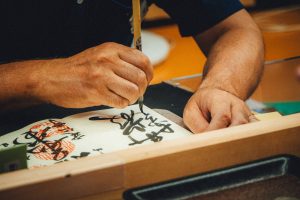
A nengajō usually places the recipient's address on one side and the greeting design on the other. Printed formulas, calligraphy, rubber stamps, photographs, illustration, and home-computer layouts are all common. The year's zodiac animal supplies an easily recognized theme.
Japan Post has issued New Year postcards with printed designs and lottery numbers, while shops sell blank stock and design services. Handmade and commercial cards exist within the same practice. A personal message can distinguish one card from a large batch.
Language and addressing
Common formulas congratulate the recipient on the New Year, thank them for past support, and request continued goodwill. Wording ranges from formal workplace language to short messages among friends. The greeting is conventionally oriented toward the new year rather than sent as a Christmas card.
Names, honorifics, postal codes, and addresses require care, particularly when lists are reused. Cards reveal personal information and sometimes family details, so secure list management and consent around photographs are part of responsible contemporary practice.
Mourning etiquette
A household that has experienced a recent bereavement may send a mourning notice, commonly called mochū hagaki, before the New Year season. It informs contacts that celebratory greetings will be omitted. Recipients normally avoid sending a conventional congratulatory nengajō to that household.
Customs depend on relationship, timing, and household preference. A non-celebratory winter greeting may be sent later, but rigid assumptions can be insensitive. The important distinction is between maintaining contact and imposing festive language during mourning.
Digital change and continuity
Email, messaging apps, social networks, and online cards offer faster and less labor-intensive greetings. Aging address lists, mobile work, environmental concerns, and the cost of printing and postage have also changed participation. Some individuals formally announce that they will stop exchanging cards.
Paper nengajō nonetheless retain qualities that digital messages do not fully reproduce: a physical object, a coordinated arrival, handwriting, and a visible record of a relationship. Many people now divide contacts by medium, sending cards selectively while greeting others online.
Sources
- Government of Japan, The Origins and Significance of Japan's New Year's Culture.
- Government of Japan, Traditional Winter Events in Japan.
- Kokugakuin University Digital Museum, Shogatsu.
- Japan Post Group, Annual Report 2013.
- Japan Post Group, Annual Report 2014.
- National Diet Library Collaborative Reference Database, History of Nengajo.
- Japan Post, New Year and Mourning Postage Stamps.
Last updated: