
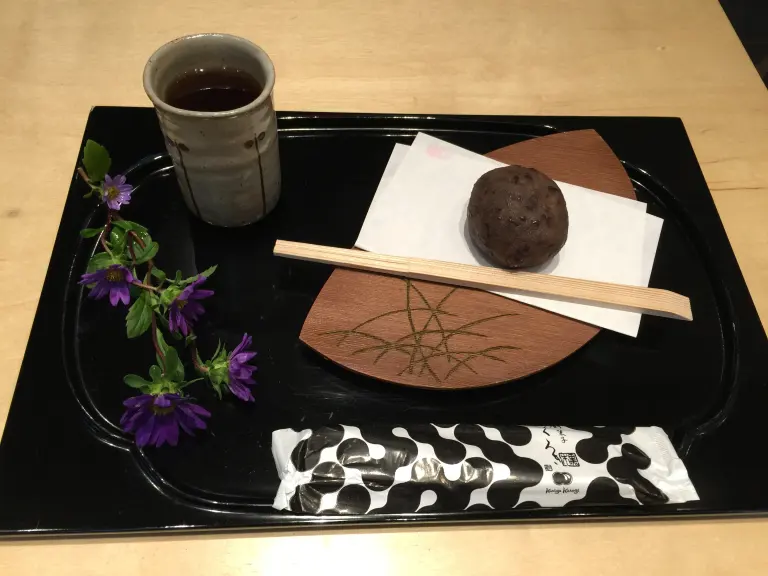
Shūbun no Hi
Shūbun no Hi is Japan’s Autumnal Equinox Day, linking the astronomical calendar with remembrance of ancestors and the autumn Higan observance.
Shūbun no Hi is Japan’s Autumnal Equinox Day, linking the astronomical calendar with remembrance of ancestors and the autumn Higan observance.
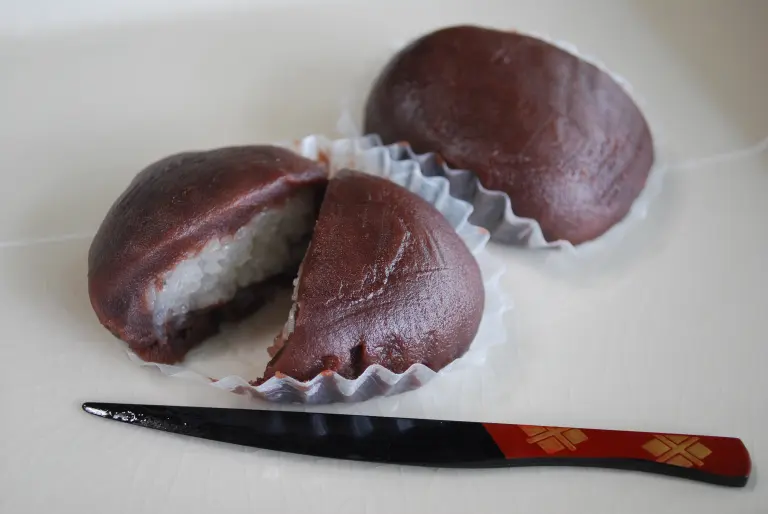
Higan is a Japanese Buddhist observance held for seven days around each equinox, joining religious practice, temple services, grave visits, and seasonal customs.
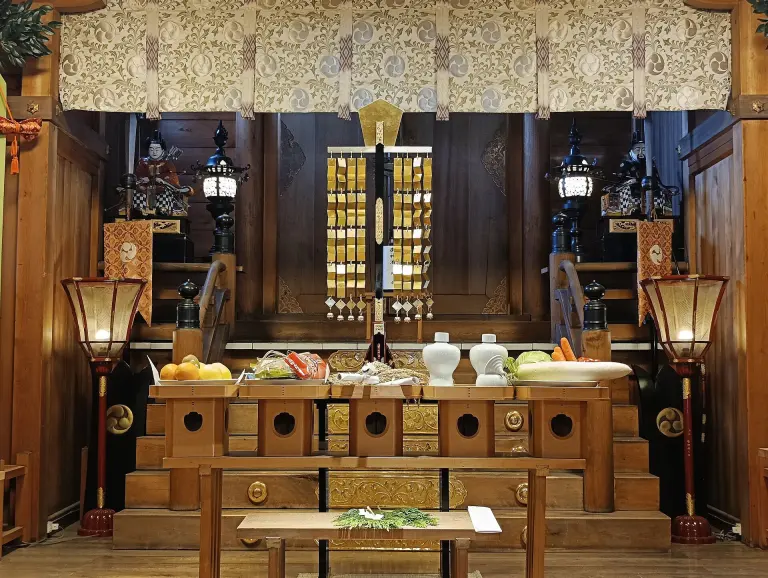
Shinto rituals connect purification, offerings, prayer, performance, and community observance at shrines, in homes, and across the seasonal calendar.
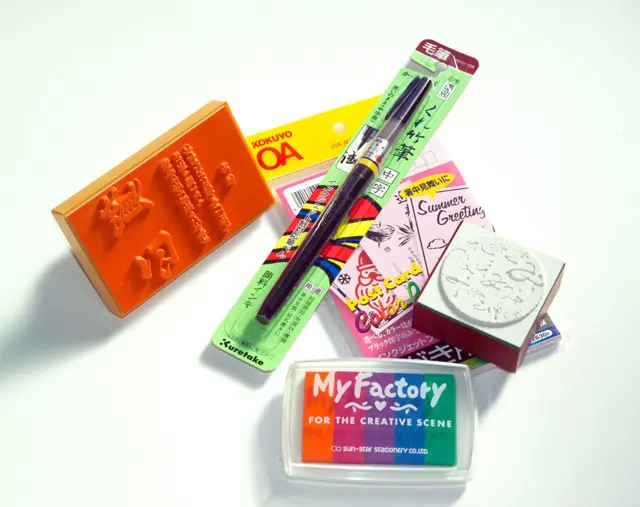
Nengajō are Japanese New Year greeting cards, most characteristically postcards prepared in December for delivery at the opening of January.
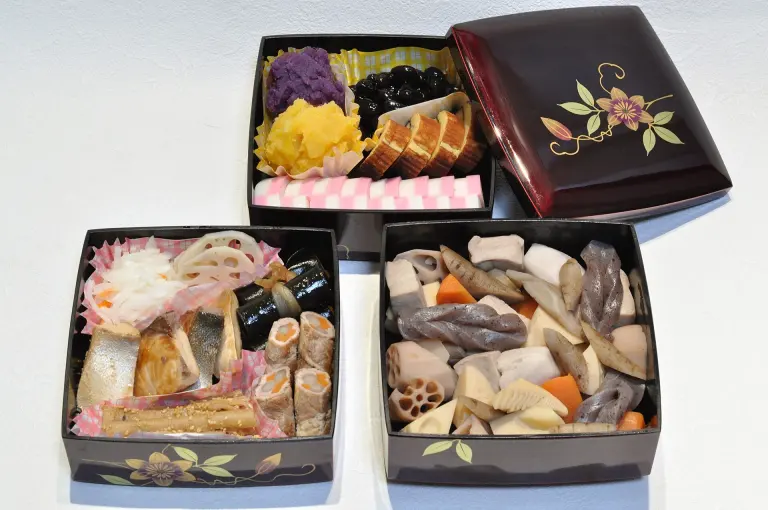
Osechi ryōri are Japanese New Year foods prepared and presented for celebration, often in stacked boxes and with auspicious associations.
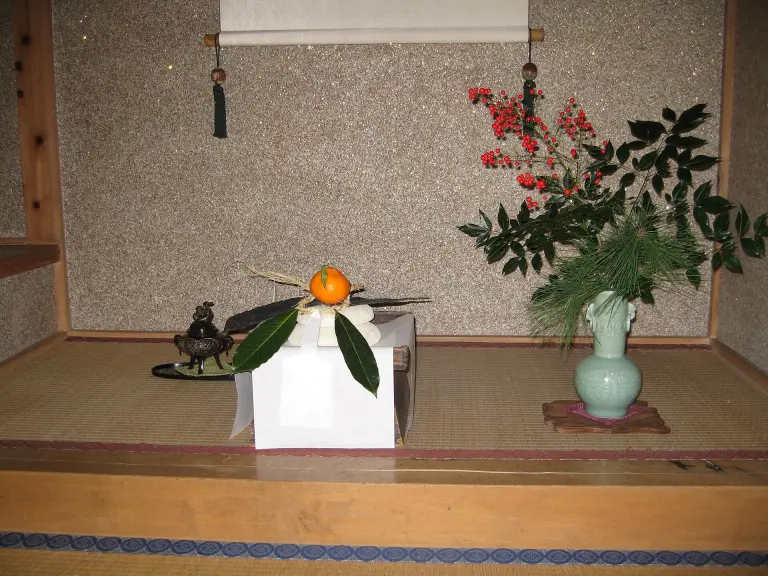
Kagami mochi are stacked round rice cakes displayed as a Japanese New Year offering and later opened in the custom of kagami biraki.
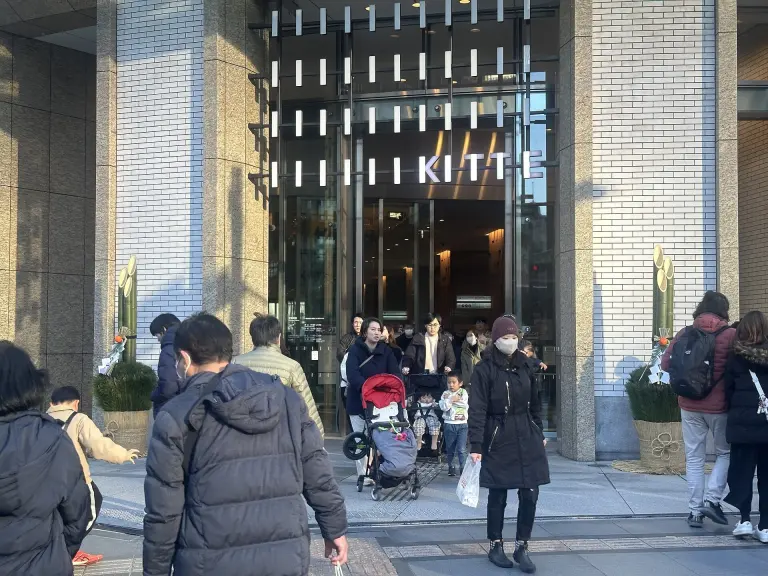
Kadomatsu are Japanese New Year entrance decorations, commonly made with pine and bamboo and associated with welcoming Toshigami.
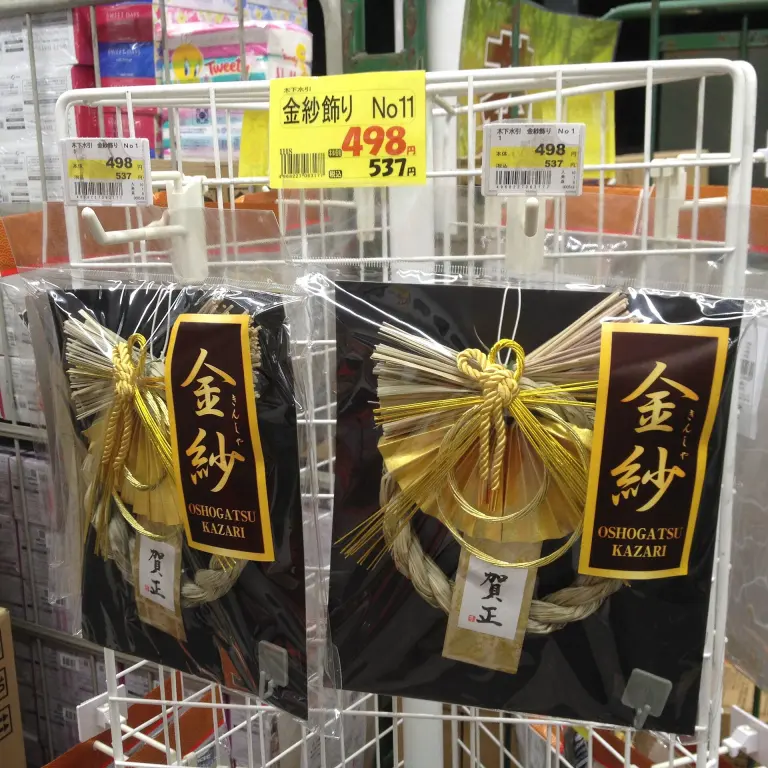
Shōgatsu is Japan’s New Year season, joining household preparations, ritual observances, visiting, food, greetings, and first activities of the year.