Manga
Manga Magazines
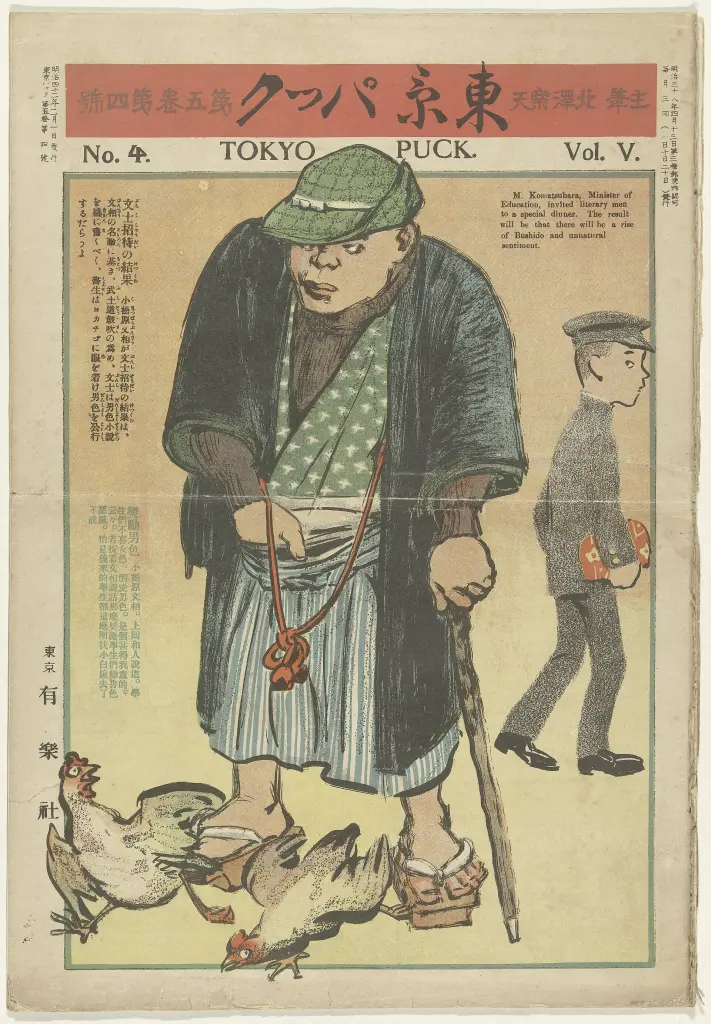
Image: Kitazawa Rakuten; digital image by Rijksmuseum / Wikimedia Commons; Rijksmuseum · Creative Commons CC0 1.0 Universal Public Domain Dedication
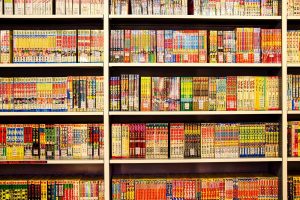
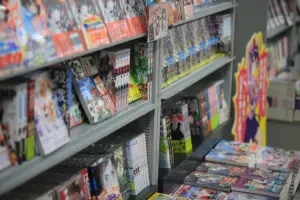
Manga magazines are Japanese periodicals that publish manga installments alongside editorial pages, advertisements, prizes, reader correspondence, and information about related media. Many titles appear weekly or monthly and carry several continuing series in one issue, creating a shared publication rhythm for artists, editors, and readers. Categories such as shōnen, shōjo, seinen, and josei describe marketing histories and intended readerships rather than strict genres or reliable statements about every reader. A successful serial may later be collected as tankōbon, but magazine publication and book publication remain distinct editions. Manga has also been serialized in newspapers, specialist journals, mobile applications, and websites, so the printed anthology magazine is foundational to modern Japanese manga without being its only platform.
Overview
| Japanese | 漫画雑誌 |
|---|---|
| Romanization | Manga zasshi |
| Publication type | Recurring anthology periodical |
| Common schedules | Weekly, twice-monthly, monthly, or quarterly |
| Typical contents | Multiple serials, one-shots, editorial matter, and advertising |
| Book relationship | Serial chapters may later enter tankōbon volumes |
Form and purpose
A manga magazine is a continuing publication identified by a title and issue sequence. An individual issue can contain hundreds of pages and many works by different creators. Low-cost paper and monochrome printing have historically helped publishers carry a large amount of material, while covers and selected opening pages may use colour.
The periodical creates a regular point of contact between publisher and audience. It introduces new serials, sustains established ones, announces adaptations and products, and tests reader response before a work is collected or extended. Not every magazine uses the same mix of comics and editorial content.
Historical development
Japanese cartoon periodicals developed from nineteenth- and early twentieth-century satirical, children's, and illustrated magazines. Tokyo Puck, founded by Kitazawa Rakuten in 1905, circulated cartoons and multilingual text and represents an important early stage, although its format differs greatly from postwar story-manga anthologies.
After 1945, children's monthly magazines, rental-book anthologies, and specialist comics periodicals expanded. Major boys' weekly magazines launched in 1959 helped establish rapid serial schedules and mass circulation. Later decades produced more differentiated magazines for children, teenagers, adults, hobby communities, and particular narrative traditions.
Readership labels
Terms including shōnen (boys), shōjo (girls), seinen (young men), and josei (women) are publishing categories tied to a magazine's positioning. They can shape editorial tone, page design, advertising, and bookstore placement, but they are not equivalent to genres such as romance, action, horror, or comedy.
Readers routinely cross these boundaries, and a magazine can publish works that do not fit a simple stereotype of its label. Age and gender categories also change over time. Encyclopedic description should identify the publisher's category without assuming that it determines the identity of every creator or reader.
Serialization and editing
Editors commission one-shots, develop proposals, coordinate schedules, and work with creators on story, draft layouts, finished pages, lettering, and delivery. A serial must function chapter by chapter while also building a longer narrative. Publication frequency affects workload but does not produce one universal creative method.
Placement, colour pages, cover appearances, and length can signal editorial emphasis. Reader surveys, sales, digital engagement, editorial judgment, production capacity, and long-term strategy may all influence a serial's future. The common claim that one popularity ballot alone automatically determines cancellation oversimplifies publisher decision-making.
From issue to volume
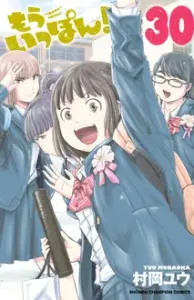
Magazine chapters are dated periodical appearances. When they are collected in a tankōbon, the book receives separate publication data and may contain corrections, reordered material, or additions. Researchers comparing versions therefore record the magazine title, issue date, chapter, book edition, and volume.
Magazines offer discovery across many works, whereas books allow readers to follow one title and remain in print through reissues. Publishing statistics consequently distinguish comics magazines, comics books, and electronic comics rather than treating all manga revenue as one physical format.
Digital transition
Publishers now distribute digital editions of print magazines and operate web and app platforms with daily, weekly, or campaign-based schedules. Some retain an anthology identity; others organize works as separate series pages. Digital serialization can change page orientation, colour use, release timing, access periods, and payment models.
Print has not disappeared, but the relationship among issue circulation, collected volumes, subscriptions, chapter purchases, and advertising has changed. A digital manga service should not automatically be called a magazine unless the publisher presents it as a periodical or anthology product.
Preservation and study
The Kyoto International Manga Museum preserves historical manga magazines within a collection of approximately 300,000 items and supports both exhibitions and research access.
Old manga magazines are important records of original page order, advertisements, editorial language, printing, reader culture, and works that were never collected. Their inexpensive paper, large size, and short intended sales life can make complete runs difficult to preserve.
The National Diet Library collects books and magazines issued in Japan, while the Agency for Cultural Affairs' Media Arts Database models magazine titles, individual issues, book series, and publication histories separately. These records help distinguish a work from the containers and editions through which it reached readers.
Sources
- Agency for Cultural Affairs, Media Arts Database Ontology.
- National Diet Library, Research Guide to Manga.
- Research Institute for Publications, Introduction to the 2024 Comics Market.
- Japan Magazine Publishers Association, JMPA Outline.
- Japan Magazine Publishers Association, Certified Circulation Data.
- National Diet Library Search, Manga Periodicals.
- Japanese Journal of Human Geography, Manga Publishing and Collected Volumes.
Last updated: