
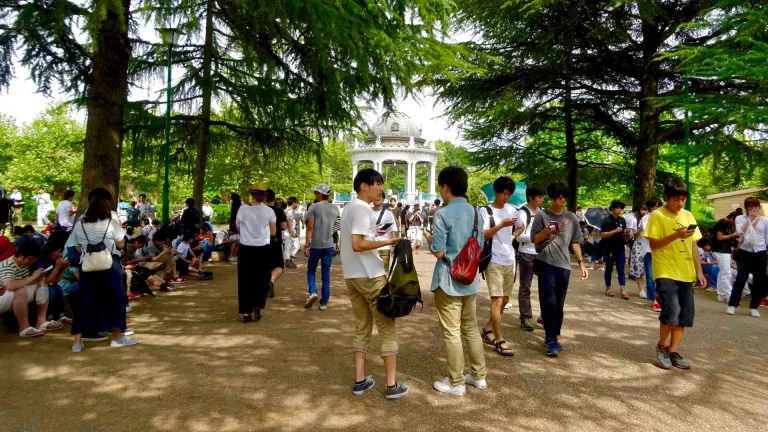
Pokémon GO
Pokémon GO connects a Japanese media franchise to location-based mobile play, turning maps, landmarks, walking, and live city events into game systems.
Pokémon GO connects a Japanese media franchise to location-based mobile play, turning maps, landmarks, walking, and live city events into game systems.
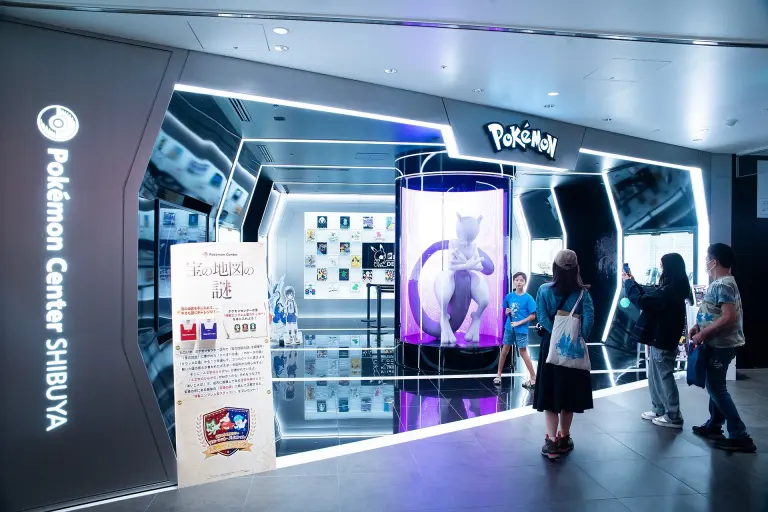
A history of Pokémon from the 1996 Game Boy games and their collect-trade-battle design to anime, manga, cards, localization, and a durable global media mix.
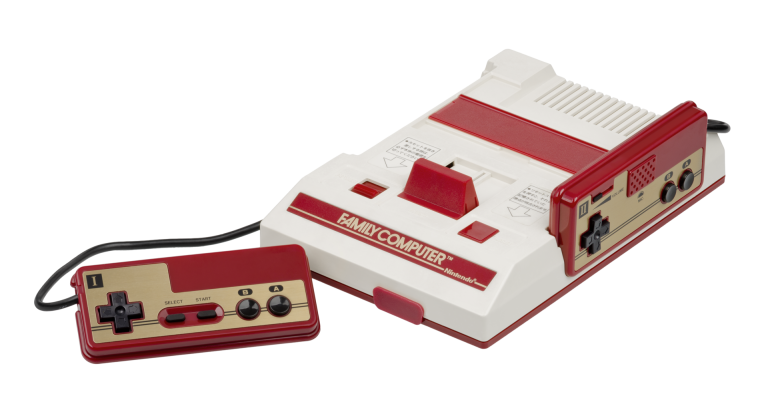
An overview of Japan’s video game history, from arcades and the Famicom to major platform companies, JRPGs, global franchises, and industry institutions.
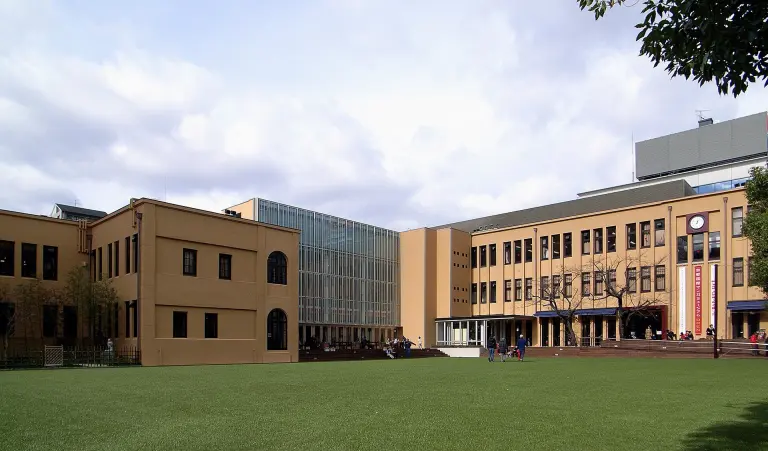
A joint Kyoto City and Kyoto Seika University institution combining manga museum, library, archive, exhibition, and research functions.
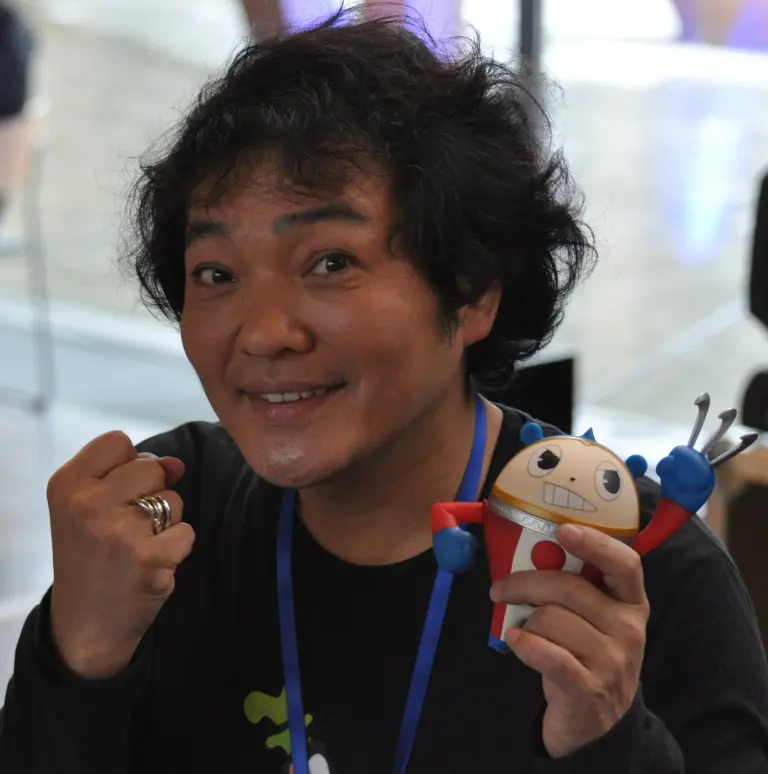
Seiyū are Japanese voice performers working across animation, dubbing, games, narration, audio drama, advertising, and related live or musical activity.
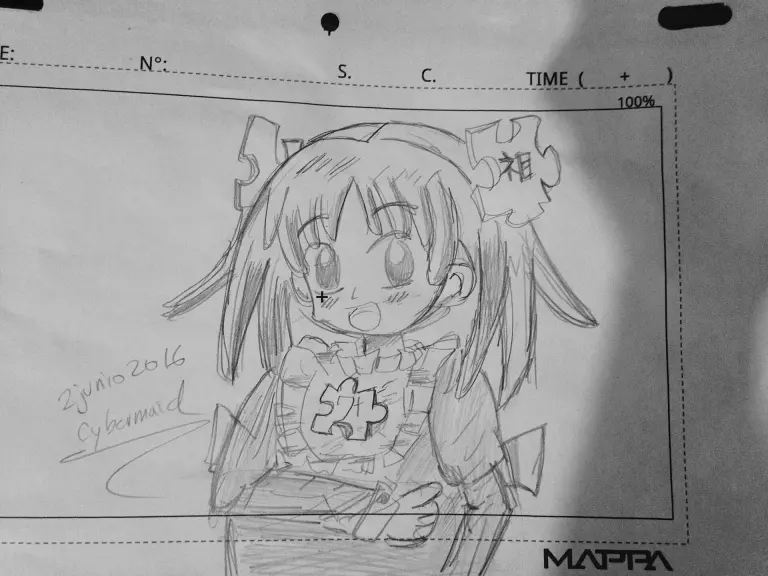
Anime production coordinates planning, scripts, storyboards, design, animation, sound, compositing, editing, finance, and distribution across specialized teams.
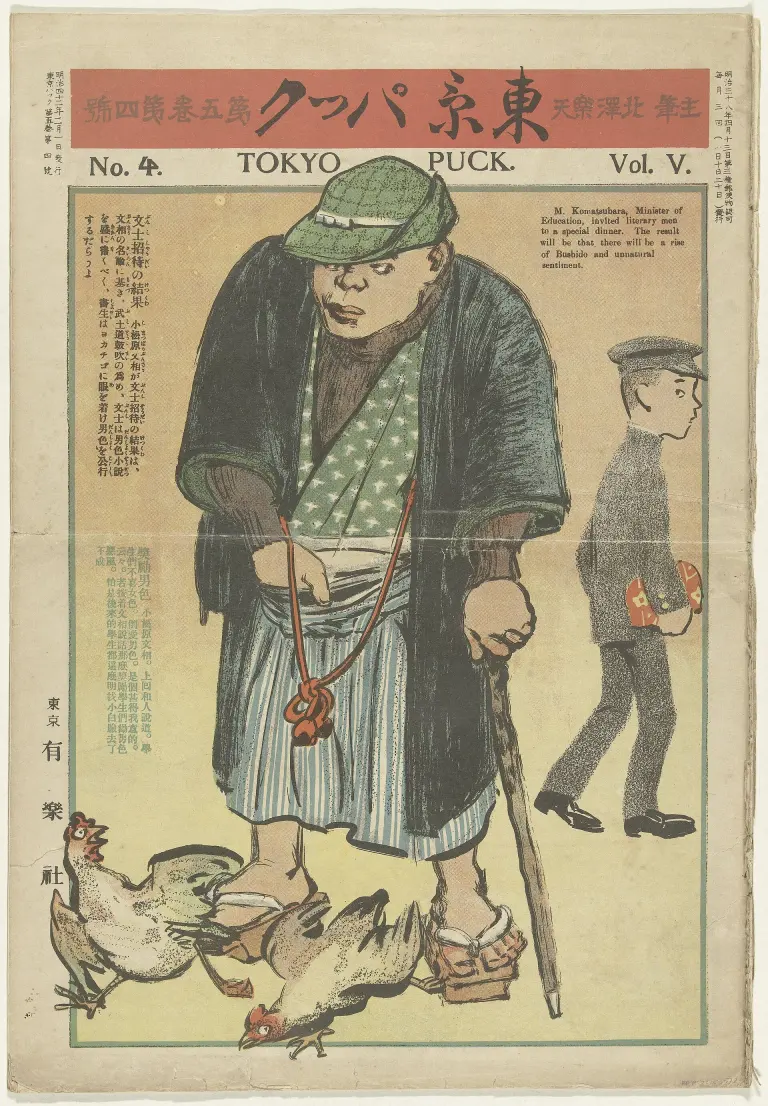
Manga magazines are recurring Japanese periodicals that publish multiple comics, editorial features, and advertisements for defined but changing readerships.
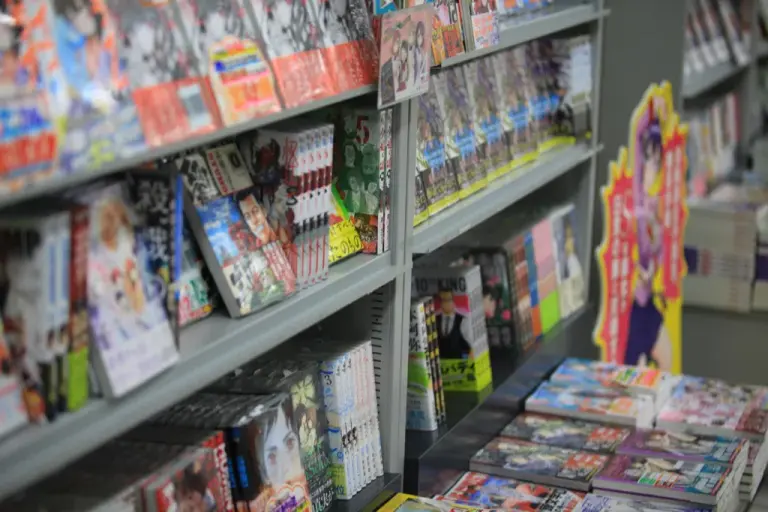
Tankōbon is a Japanese publishing term for a stand-alone book, commonly used in manga contexts for collected volumes of previously serialized chapters.