Shinto
Kannushi
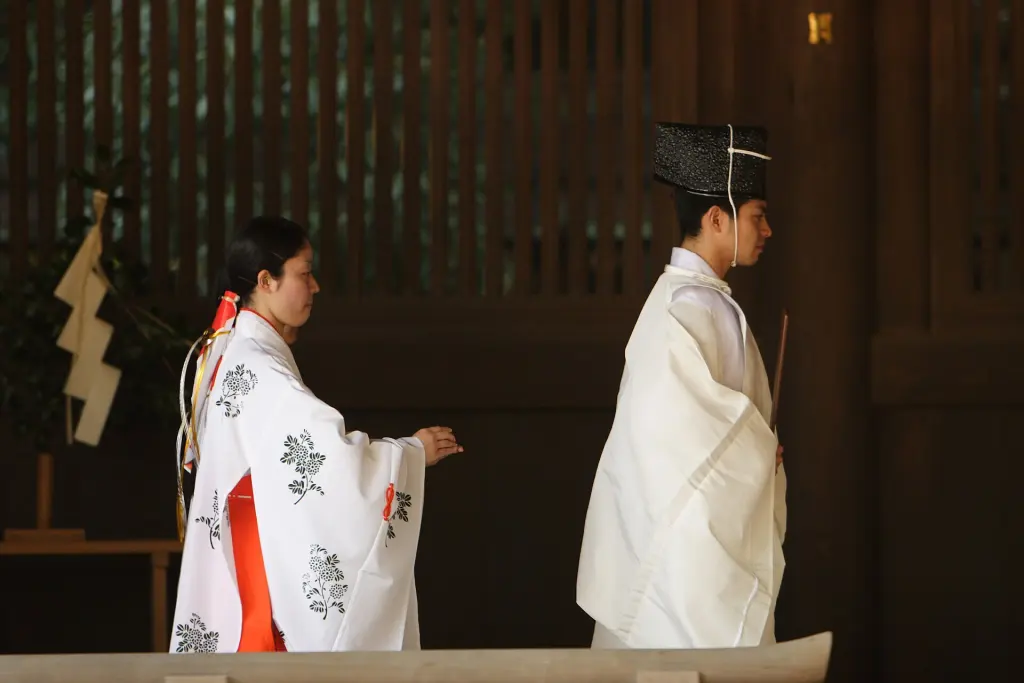
Image: mrhayata / Wikimedia Commons; Flickr · Creative Commons Attribution-ShareAlike 2.0 Generic
Kannushi (神主) is a familiar Japanese term for a Shinto priest, a ritual specialist who serves the kami and conducts ceremonies at a shrine or another designated site. In contemporary institutional usage, shinshoku is often the more precise collective term for shrine priests, while kannushi has both general and historically specific meanings. Duties can include purification, reciting norito, presenting offerings, officiating festivals and life-cycle rites, caring for sacred spaces and objects, keeping records, teaching, and administering a shrine. Titles such as gūji, negi, and gonnegi describe positions within particular staffing systems. Women as well as men serve as priests. A miko is a distinct shrine role and should not automatically be described as a female kannushi.
Overview
| Japanese | 神主 |
|---|---|
| Romanization | Kannushi |
| Contemporary general term | Shinshoku (神職) |
| Religious tradition | Shinto |
| Core work | Ritual service to kami and shrine administration |
| Selected positions | Gūji, gongūji, negi, and gonnegi |
Name and terminology
Today kannushi is widely understood as Shinto priest. Historical records used it alongside many terms for ritualists, shrine heads, hereditary offices, and local officiants, sometimes with a narrower meaning than it has now. Shinshoku provides a useful contemporary umbrella term, while shinkan and shrine-specific titles appear in other contexts.
Historical development
Ancient chronicles apply kannushi to people who mediated between kami and human communities. Over centuries, court institutions, powerful shrine lineages, local ritual groups, Yoshida and Shirakawa authorization, domain policy, and Meiji state standardization reshaped priestly offices. There was never one unchanged national job description extending from mythology to the present.
Ritual duties
A priest may perform harae, prepare and present offerings, recite norito, handle a tamagushi, and coordinate music, dance, processions, or participants. Festivals, private prayers, weddings, construction rites, vehicle purification, and memorial observances require different texts, implements, and personnel.
Shrine administration
Priestly work also includes schedules, finances, buildings, sacred groves, archives, parishioner relations, amulet distribution, visitor guidance, and legal or organizational duties. At a small shrine one person may combine most functions; a large shrine can employ several ranks of priests, miko, musicians, craftspeople, guards, and office staff.
Training, ranks, and appointment
Modern qualifications and appointment procedures depend on the religious corporation or shrine network. Training can take place through specialist programs and approved educational institutions, followed by practical service. Gūji normally means chief priest, while negi and gonnegi are subordinate positions; Ise Jingū and some major shrines retain distinctive systems and titles.
Gender and related roles
Both women and men may be ordained and appointed as Shinto priests. Miko usually refers to a shrine attendant whose duties can include assisting rites, office work, distributing sacred items, and performing kagura; the role is historically complex but is not simply the feminine form of kannushi. Clothing also indicates ritual occasion and rank rather than defining gender by itself.
Sources
- Association of Shinto Shrines, Matsuri and the order of shrine ritual.
- Ise Jingu, Soul of Japan glossary.
- Meiji Jingu, Kigansai private rite.
- Kokugakuin University, Encyclopedia of Shinto: Kannushi.
- Kokugakuin University, Encyclopedia of Shinto: Jinja Shishoku.
- Japanese Journal of Ethnology, Succession to a Former Noble Family of a Shinto Priest in Post-War Japan.
Last updated: