
Kannushi
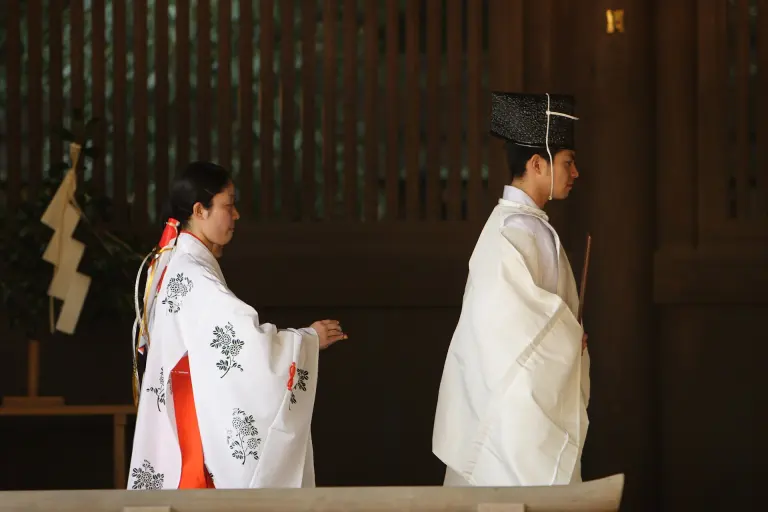
Kannushi is a familiar term for Shinto priests who conduct rites and help maintain the ritual, institutional, and community life of shrines.
Kannushi is a familiar term for Shinto priests who conduct rites and help maintain the ritual, institutional, and community life of shrines.
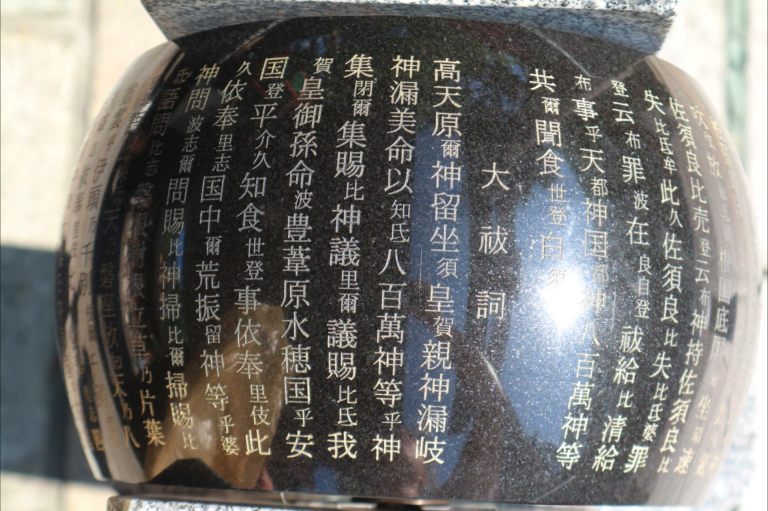
Norito are formal words recited in Shinto rites to address kami, present offerings, report occasions, and express thanks or petitions.

Misogi is Shinto purification through ablution, ranging from preparatory washing to more demanding immersion in rivers, the sea, or waterfalls.
Kegare describes ritual pollution or disruption in Japanese religious history, a condition addressed through avoidance, time, and purification rather than moral condemnation.

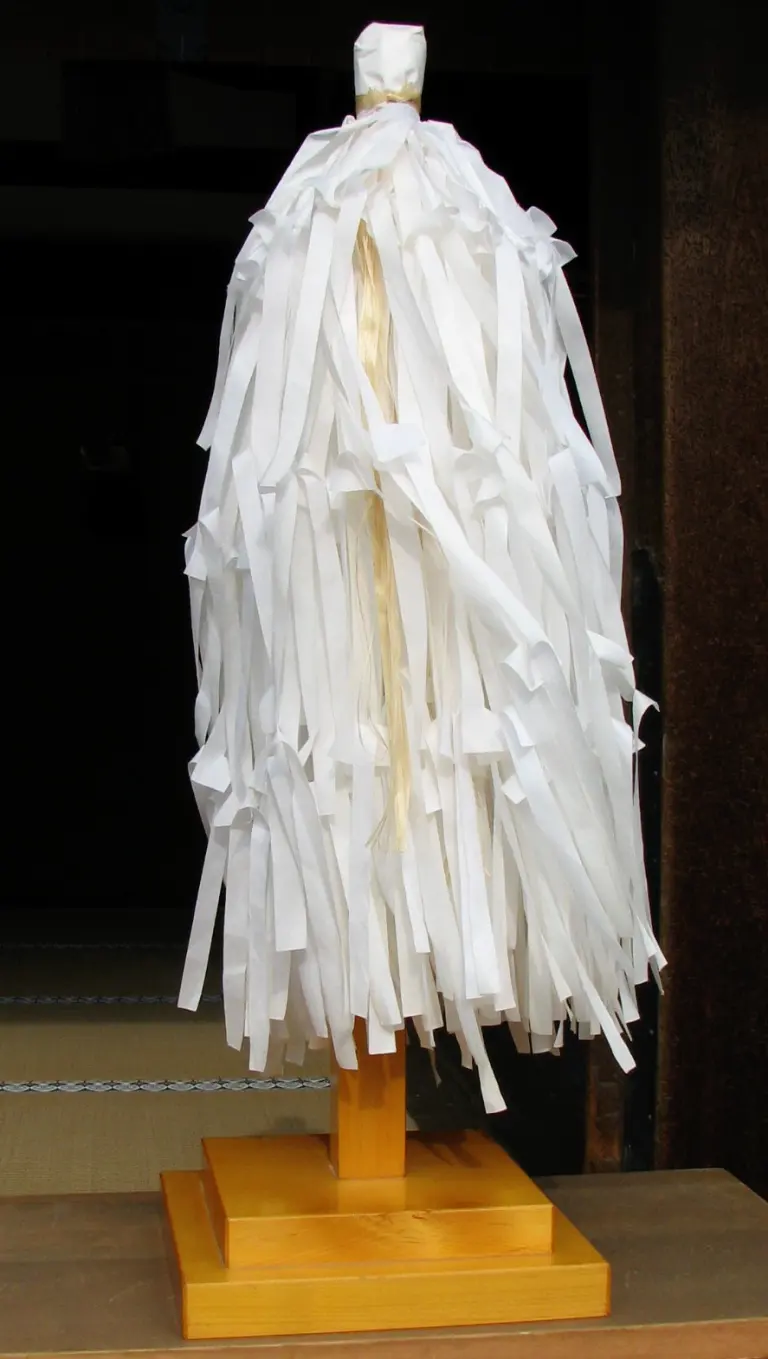
Harae is a family of Shinto purification rites that prepares people, places, and offerings for renewed participation in ritual and communal life.