
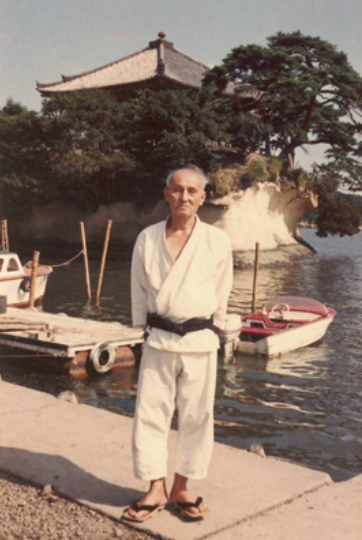
Hironori Ōtsuka
Hironori Ōtsuka founded Wadō-ryū by developing Karate through his prior study of Shindō Yōshin-ryū jūjutsu and Japanese budō.
Hironori Ōtsuka founded Wadō-ryū by developing Karate through his prior study of Shindō Yōshin-ryū jūjutsu and Japanese budō.
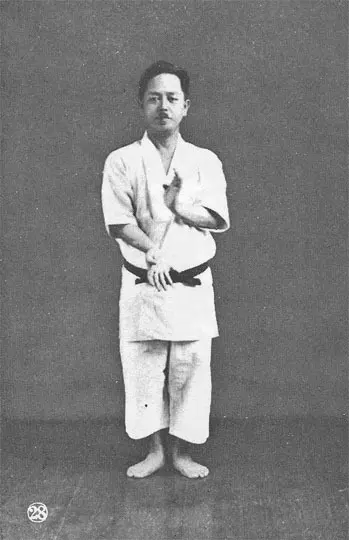
Kenwa Mabuni founded Shitō-ryū Karate, drawing especially on the teachings of Ankō Itosu and Kanryō Higaonna and a broad study of Okinawan kata.
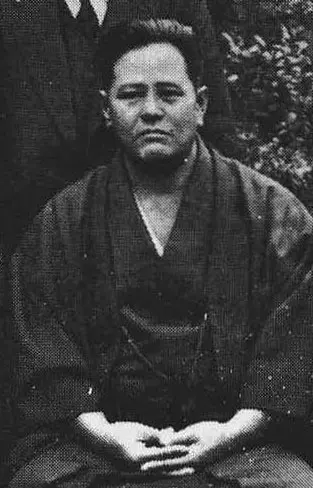
Chōjun Miyagi was the Okinawan Karate teacher who named and systematised Gōjū-ryū from the Naha-te tradition associated with Kanryō Higaonna.
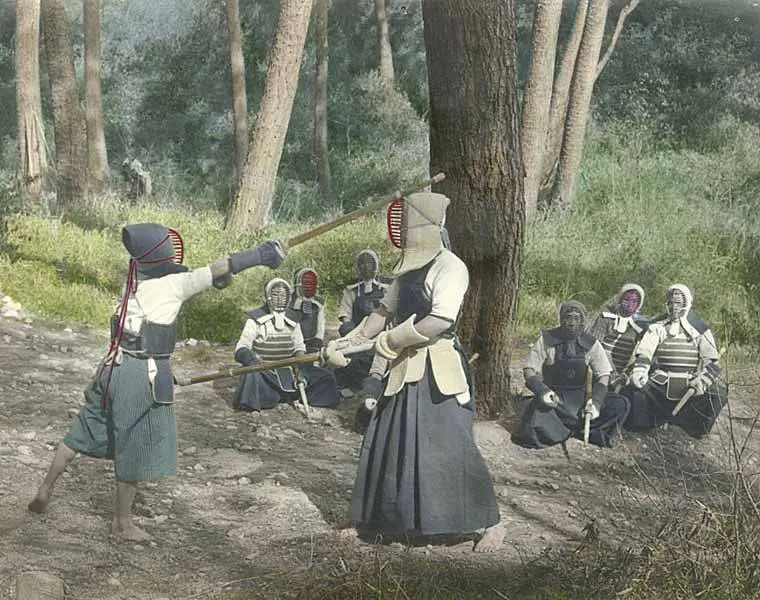
Kendo terminology covers equipment, movement, distance, training, kata and competition, with Japanese meanings that do not always map neatly onto English.

A shinai is Kendo’s resilient practice sword, usually made from four bamboo slats and governed by construction, inspection and competition standards.
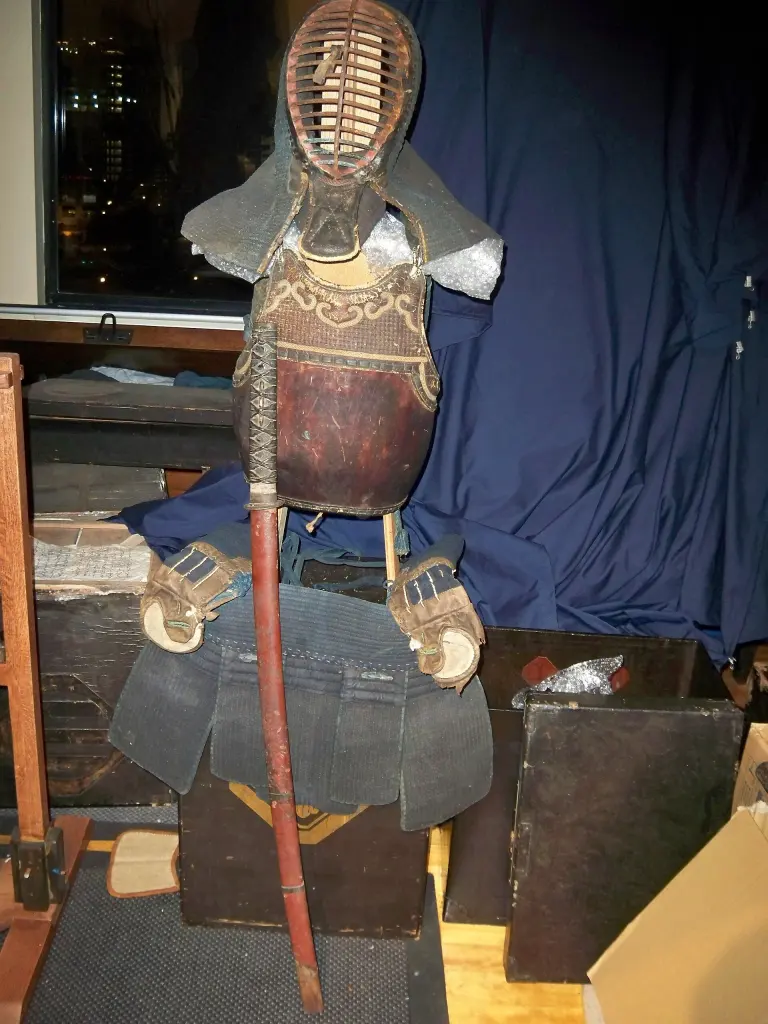
Bōgu is Kendo’s protective equipment: men, kote, dō and tare, whose protected surfaces must be distinguished from legal scoring targets.
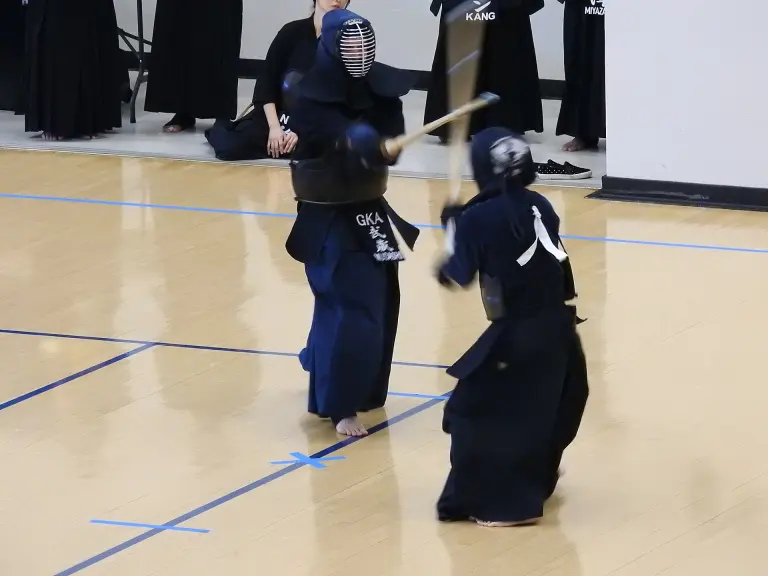
Yūkō-datotsu is a valid Kendo scoring action judged through target, shinai contact, blade alignment, posture, energetic commitment and zanshin.
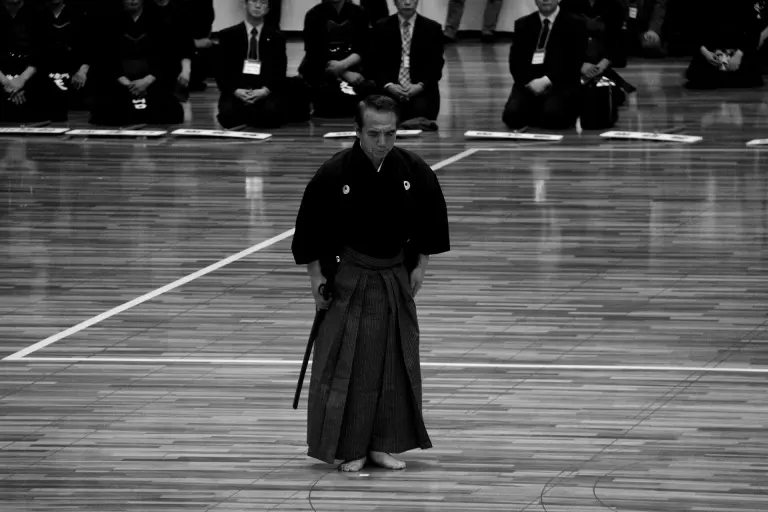
Nihon Kendō Kata is Kendo’s standard paired-form system: seven long-sword forms and three short-sword forms established in 1912.

Kendo rules govern contest area, time, scoring, refereeing, equipment and penalties, with AJKF and FIK documents requiring version-specific interpretation.
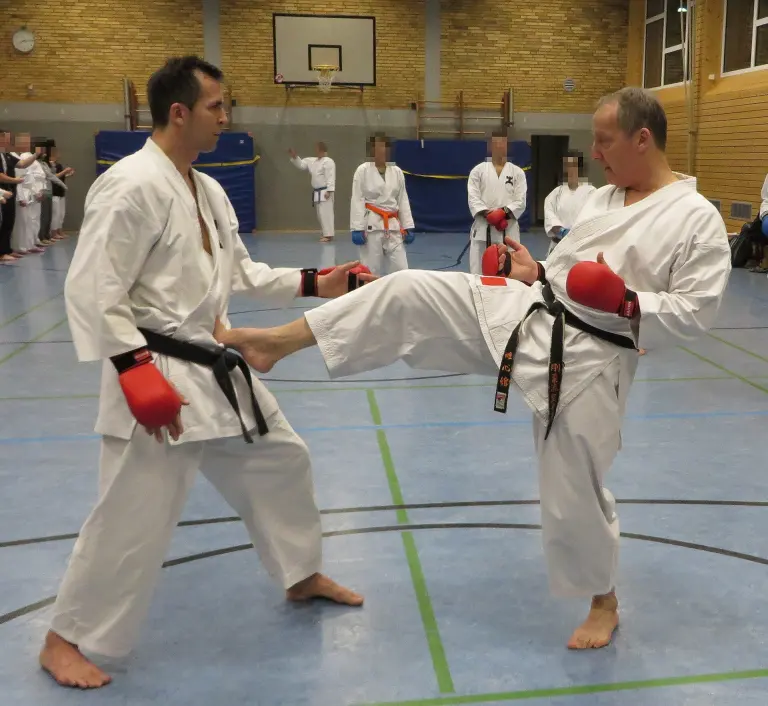
Mae-geri is a Karate kick directed forward, with recognised variations in leg choice, trajectory, contact surface, recovery and training purpose.