

Karate at the Asian Games
Karate at the Asian Games comprises edition-specific kata and kumite medal events within the Olympic Council of Asia’s continental programme.
Karate at the Asian Games comprises edition-specific kata and kumite medal events within the Olympic Council of Asia’s continental programme.
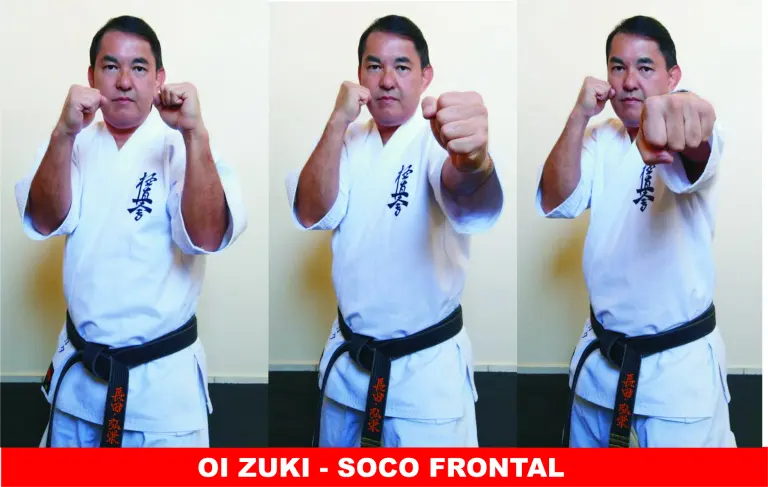
Oi-zuki is a Karate thrust coordinated with an advancing step, using the arm on the same side as the stepping or forward leg.
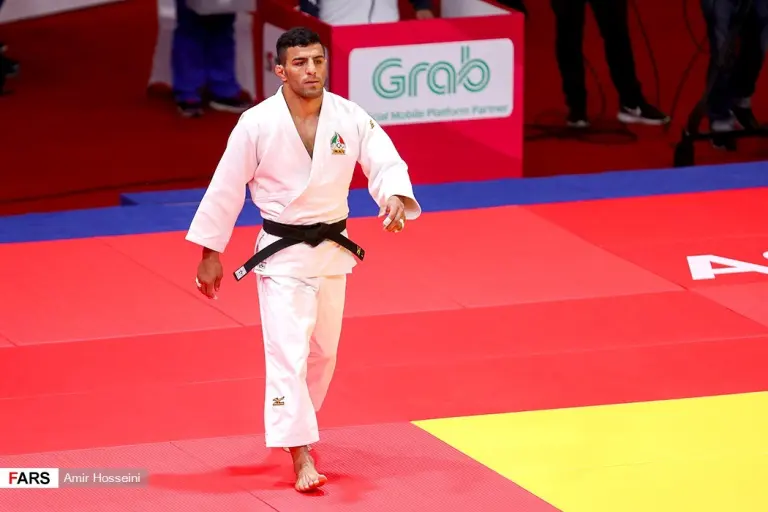
Judo entered the Asian Games in Seoul in 1986 and now features men’s and women’s weight-category events plus a mixed-team competition.
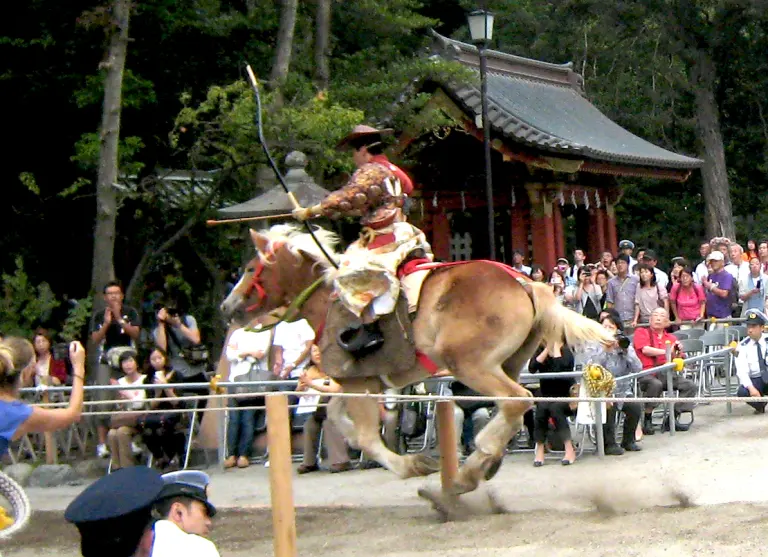
Yabusame is Japanese ceremonial mounted archery in which riders shoot at three targets along a straight course, combining horsemanship, archery, formal dress, and shrine dedication.
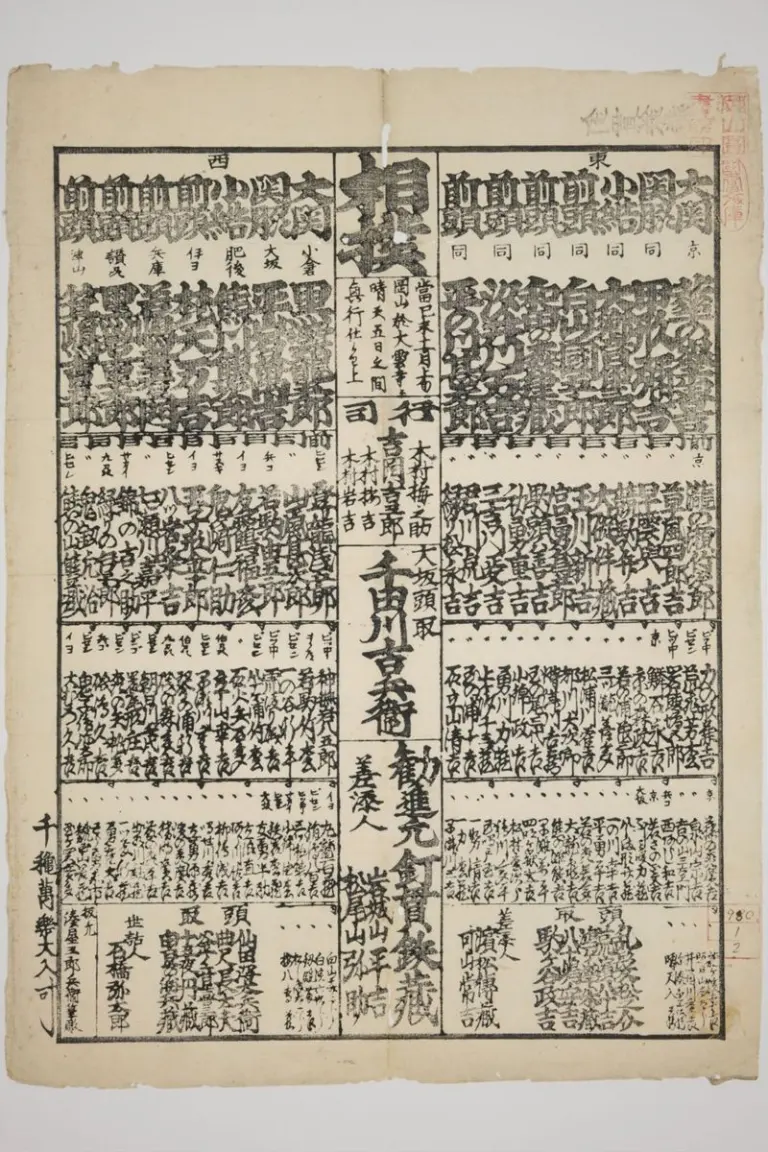
A banzuke is professional sumo’s official ranking sheet, arranging wrestlers by division, rank, number, and East–West position while also recording other participants in Grand Sumo.
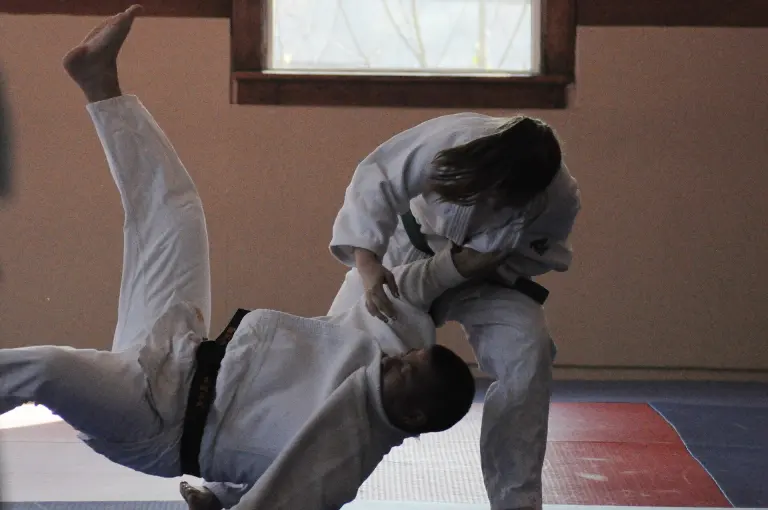
Browse and search the 100 officially named Kodokan Judo techniques by classification, kata, Gokyo group, and documented promotion references.
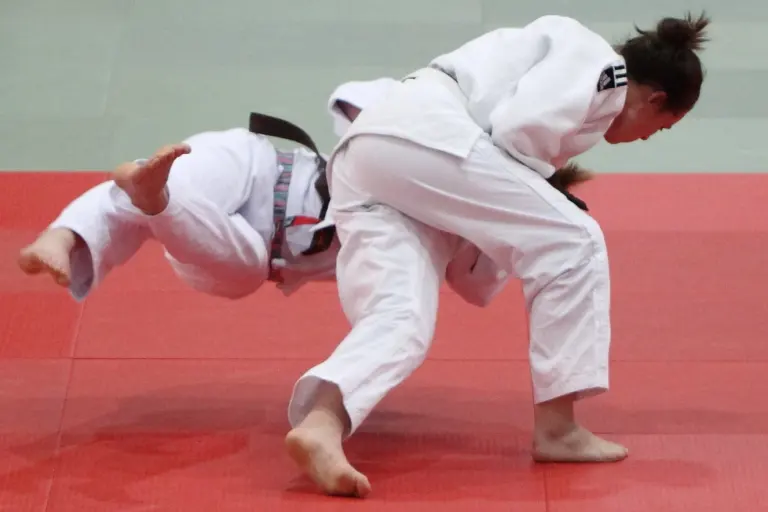
Keito-waza is an editorial learning index that connects related Judo names and variations without changing the official Kodokan classification.
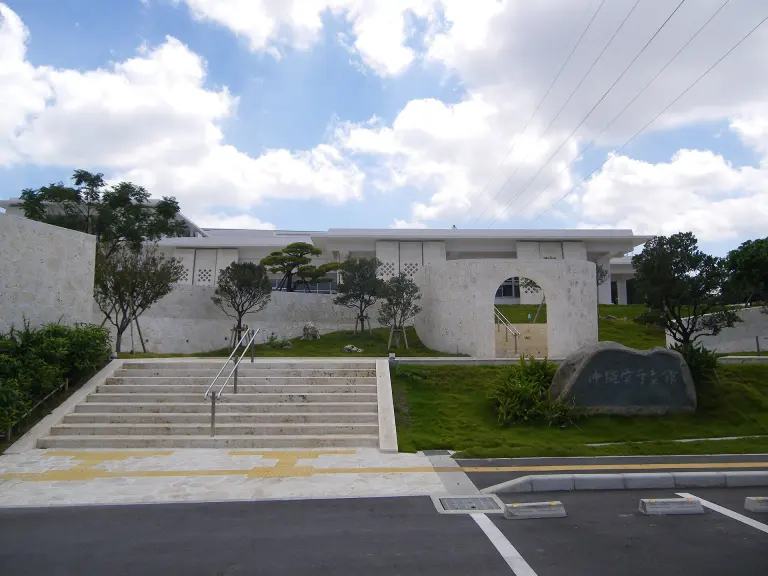
The Okinawa Karate Kaikan is a prefectural training, exhibition and research facility in Tomigusuku dedicated to preserving and communicating Okinawan Karate.

The Japan Karatedo Federation is Japan’s national Karate federation, coordinating regional, school, workplace and style organisations, competition, qualifications and national teams.
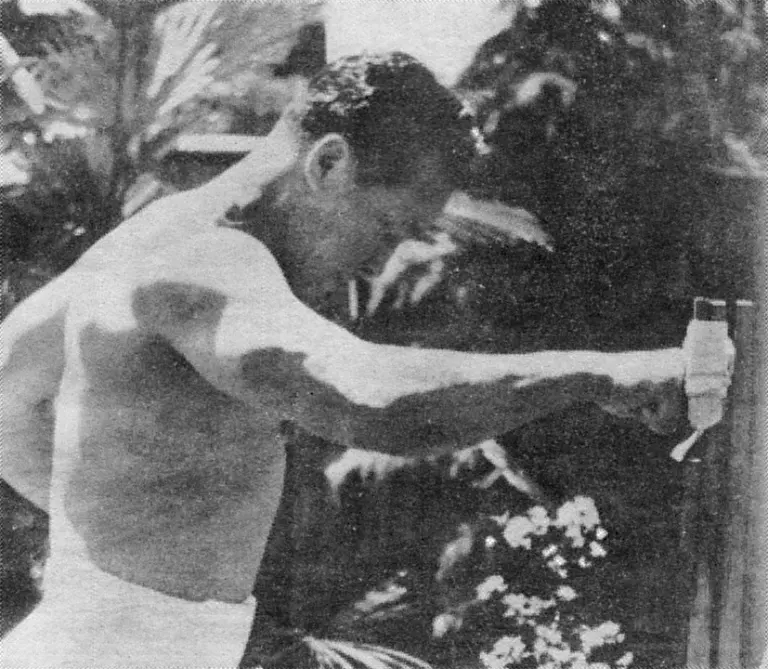
Masutatsu Ōyama founded Kyokushin Karate and built an international full-contact organisation whose history later became closely intertwined with popular legend.