Food Culture
Chanko Nabe

Image: Nesnad / Wikimedia Commons · CC BY-SA 4.0
Chanko Nabe
A shared pot at the centre of stable life.
Chanko nabe (ちゃんこ鍋) is the hot-pot cooking strongly associated with sumo stables. It belongs to the broader world of chanko: food prepared or eaten by wrestlers, rather than the name of one compulsory recipe. A pot may combine meat or fish, vegetables and tofu with a broth seasoned in different ways. Its cultural significance lies as much in the shared kitchen and meal as in any particular ingredient. The dish also connects stable life with restaurants, especially around Ryōgoku in Tokyo, where former wrestlers have carried cooking experience into public dining. Chanko nabe is therefore best understood through variation, communal preparation and its relationship with the institutions of sumo.
Kitchen
Cooking skills pass through stable life.
Pot
Broth and ingredients vary.
Community
The meal connects wrestlers and public food culture.
At a glance
- Japanese
- ちゃんこ鍋 — chanko nabe
- Food type
- Hot pot associated with sumo stables
- Broader term
- Chanko can refer to stable food beyond hot pot
- Typical elements
- Broth, vegetables, tofu, meat or fish
- Regional association
- Sumida and Ryōgoku, Tokyo
- Recipe principle
- Ingredients and seasoning vary between kitchens
01
Chanko is broader than the pot
Tokyo’s regional-resource account distinguishes chanko in general from chanko nabe in particular. The first term concerns wrestlers’ food; the second identifies a hot-pot form. This distinction explains why stable cooking can include dishes that do not resemble the restaurant image of a large simmering pot.
02
A communal origin story
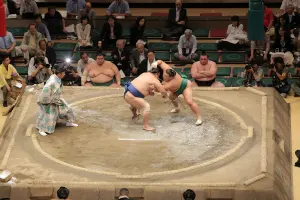
Tokyo’s account associates the spread of large shared pots with Hitachiyama and the many trainees at Dewanoumi stable during the Meiji period. It presents the practice as a way to feed a large group efficiently. This is a reported origin tradition, not evidence that every modern recipe derives unchanged from one original pot.
03
Cooking is part of stable life
The kitchen is a place where practical skills are passed between wrestlers. Tokyo’s description identifies rotating cooking duties and experienced cooks who guide the work. Shared preparation and eating link the meal to the organisation of the stable. The dish is consequently more than a list of ingredients detached from its setting.
04
A flexible structure for the meal
The Ministry of Agriculture, Forestry and Fisheries records chanko nabe as part of Tokyo’s regional food culture, describing combinations of chicken, vegetables and tofu with different seasonings. These are representative elements, not a mandatory formula.
- Broth
- Carries flavour and brings the ingredients together.
- Meat or fish
- Varies with the kitchen’s recipe and available ingredients.
- Vegetables and tofu
- Add contrasting textures and absorb the broth.
- Seasoning
- Soy sauce, miso or other seasonings give different versions their character.
05
Stable recipes have their own character
Soppu-daki uses a chicken-bone broth, but chicken is not the only basis for chanko. A Japan Sumo Association account of Takadagawa stable describes sea-bream stock made from carefully roasted bones after the flesh has been used for other dishes. That example shows how ingredients and kitchen practice produce a recognisable house flavour. Stories about chicken’s two-legged stance are cultural explanations, not a universal ban on other meat.
06
From stable kitchens to neighbourhood restaurants
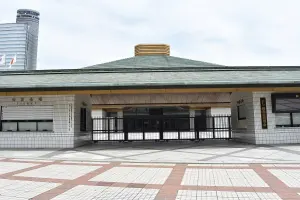
The agriculture ministry describes former wrestlers opening chanko restaurants and passing the food into wider public life. Ryōgoku’s association with the dish joins dining to the geography of sumo. A restaurant version may express a cook’s stable experience while also serving a different clientele. The name does not guarantee one recipe, portion size or nutritional profile; the actual ingredients and preparation remain what define the meal.
Sources
Last updated: